
Foreign policy often does not significantly influence domestic political outcomes. Historical examples illustrate this trend. In 1992, President George H.W. Bush lost his chance for reelection. This occurred despite significant achievements such as overseeing the end of the Cold War and leading the U.S. to victory in the 1991 Gulf War.
Conversely, in 2004, President George W. Bush successfully secured a second term. This happened even though the nation was embroiled in two protracted and challenging conflicts in Iraq and Afghanistan. These instances demonstrate the complex relationship between foreign policy successes or failures and voter behavior.
The current economic repercussions from international relations are felt more deeply by the public. This is particularly evident with the economic challenges posed by Iran and ongoing trade disputes. These issues impact daily life, making them more relevant to voters than broader foreign policy strategies. As such, the intersection of foreign policy and economic well-being may be a key consideration for voters in current times.
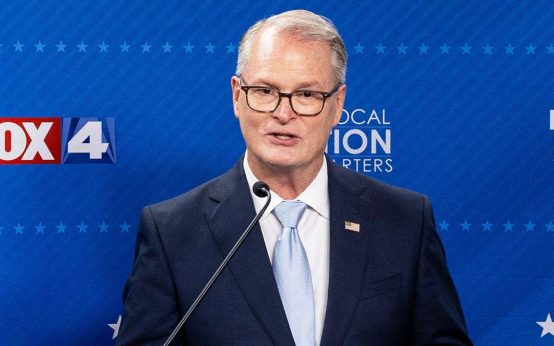 Democratic Investment in Kansas Senate Race Increases Amid Growing Tensions
 Bishops Regret White House Prayer Photo with Trump
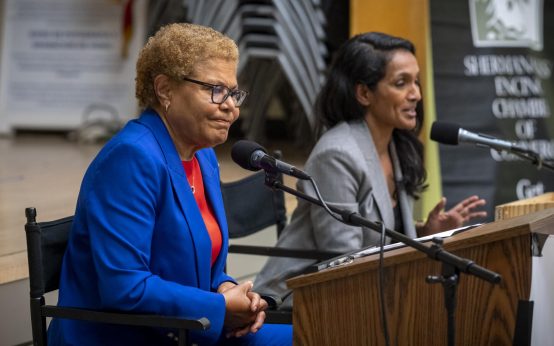
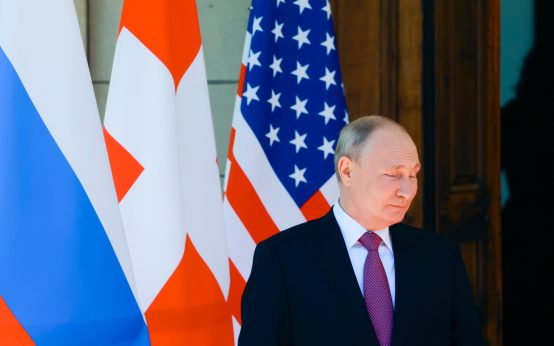 Unreleased Congressional Report on Havana Syndrome
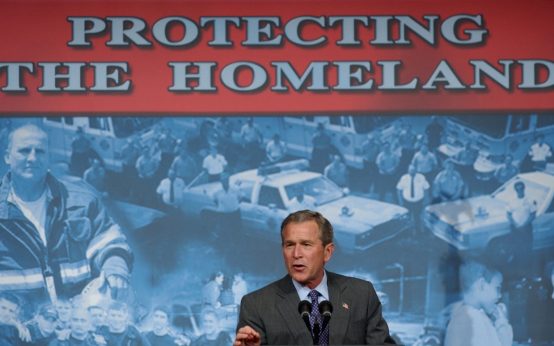 The Patriot Act: A 25-Year Legacy of Surveillance and Privacy Debate
 Strategies for GOP to Maintain Senate Control in Upcoming Midterms