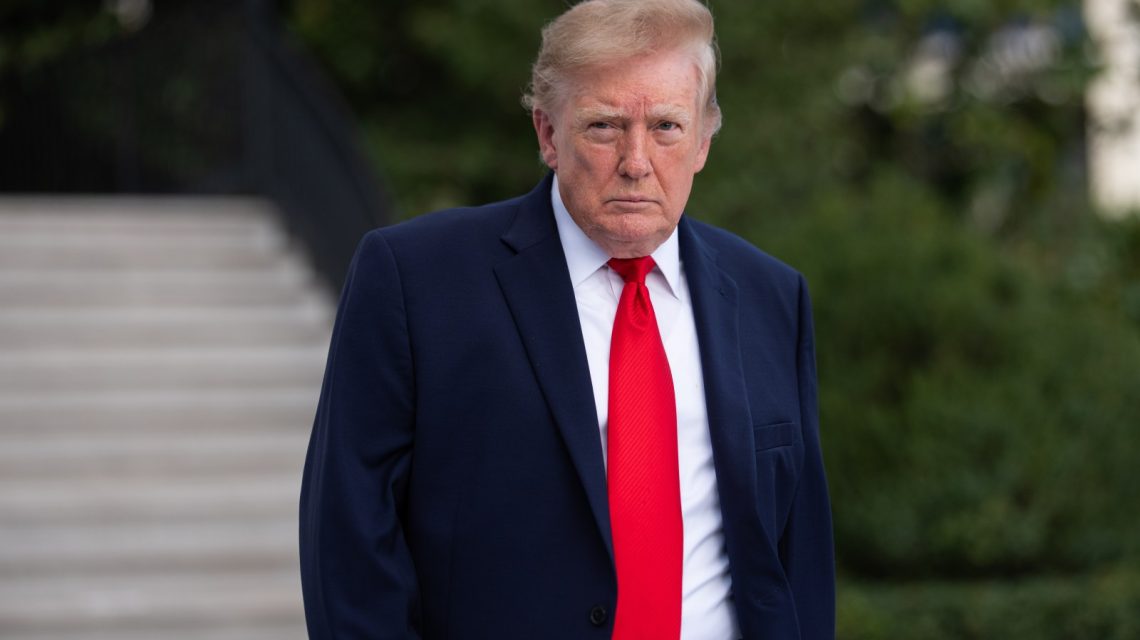
Psychedelic Treatments for Veterans
The Trump administration is aiming to broaden access to psychedelic drugs as therapies for post-traumatic stress disorder (PTSD) and depression among veterans. This initiative could potentially benefit up to 2.1 million veterans according to Andrew Gradison, a senior adviser at the Veterans Health Administration.
With 6.4 million veterans depending on healthcare from the Department of Veterans Affairs (VA), Gradison shared insights at a conference reported by Politico.
“For some veterans, PTSD doesn’t easily go away after deployment. It can disturb sleep, relationships, safety perception, and self-image,” remarked Christopher DiViaio, clinical director at Eleve Behavioral Health, to Newsweek.
Progress with conventional methods like therapy and medication is noticeable but not universally effective. Consequently, there’s heightened interest in alternative therapies, such as psychedelic-assisted therapy.
Current Status and Challenges
Currently, federal regulators have yet to certify psychedelics as safe for treating such mental health issues. This presents substantial practical and safety hurdles for the VA even if a treatment gets approved.
Veterans are increasingly seen as key beneficiaries of psychedelic therapies, especially in exploring new cures for PTSD and similar conditions. In April, President Donald Trump issued an executive order to expedite research, trials, and access to psychedelic treatments.
Despite the Trump administration’s push, the U.S. Food and Drug Administration (FDA) has not yet approved any psychedelic therapy mentioned by officials. Under President Biden in 2024, proposals for MDMA and therapy as PTSD treatments were turned down.
Scope of Treatment and Preparation
Gradison detailed plans to bolster the VA’s ability to provide psychedelic therapies to one-third of regular VA patients experiencing PTSD or depression. This would involve as many as 2.1 million veterans.
“The VA is fully committed to this initiative,” stated Toby Marton, chief medical officer at Radial Health, to Newsweek.
The VA has earmarked various sites within its network for initial pilot testing and is investing resources to ensure readiness for launch. Gradison has warned that reaching this scale takes time.
He foresees challenges for the Veterans Health Administration, estimating treatment with FDA-approved psychedelics for four digits’ worth of patients in the first year amid practical and safety concerns.
Research and Regulatory Steps
While illicit psychedelic dispensing is not intended, officials aim to streamline research and the regulatory processes needed for pharmaceutical treatments to become legally accessible.
The VA is already involved in 20 psychedelic clinical trials, as per Politico. Trump’s executive order in April also highlighted ibogaine, another psychedelic under investigation, although it remains a Schedule I controlled substance.
“Veteran suicide is a national tragedy, and these treatments could have significant impacts,” said President Trump.
Robert F. Kennedy Jr., Secretary of Health and Human Services, echoed the importance of exploring treatment options for veterans.
Psychedelics: Regulatory Hurdles
The main unknown is whether treatments will attain FDA approval. The FDA has already denied a 2024 application for MDMA combined with psychotherapy as treatment for PTSD.
The Trump administration has undertaken steps to hasten development of other psychedelic therapies. Subsequent to the executive order, the FDA enabled fast-track reviews for companies developing psychedelic treatments.
Among these is Compass Pathways’ synthetic psilocybin formulation for treatment-resistant depression, expecting FDA application completion soon with potential approval anticipated by 2027.
Even if FDA approval occurs, Gradison points out the VA’s larger task of safely scaling up treatments for interested veterans.
Future Implications
If the FDA grants approval, translating it into VA treatment remains a challenge.
“Psychedelic-assisted treatments could enhance mental healthcare but shouldn’t promise outcomes before thorough evidence and safety is established,” cautioned DiViaio.
Beyond approval, affordability, access to trained professionals, and effective follow-up care must be considered. Clinical trials can be promising yet difficult to incorporate routinely.
 Rise in New World Screwworm Cases Among Animals in the U.S.
 The Impact of Arbitration on Health Care Costs
 Impact of Rising Cannabis Use on Families and Children
 Ethical Concerns in Hormone Therapy Policy and Government Financial Disclosure
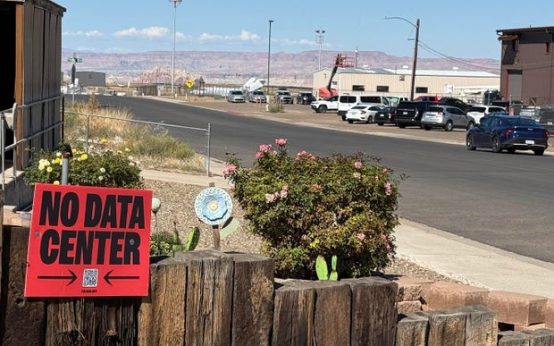 Debate Over Data Centers in Arizona Sparks Health Concerns and Political Divisions
 Social Media Habits Linked to Mental Health Symptoms