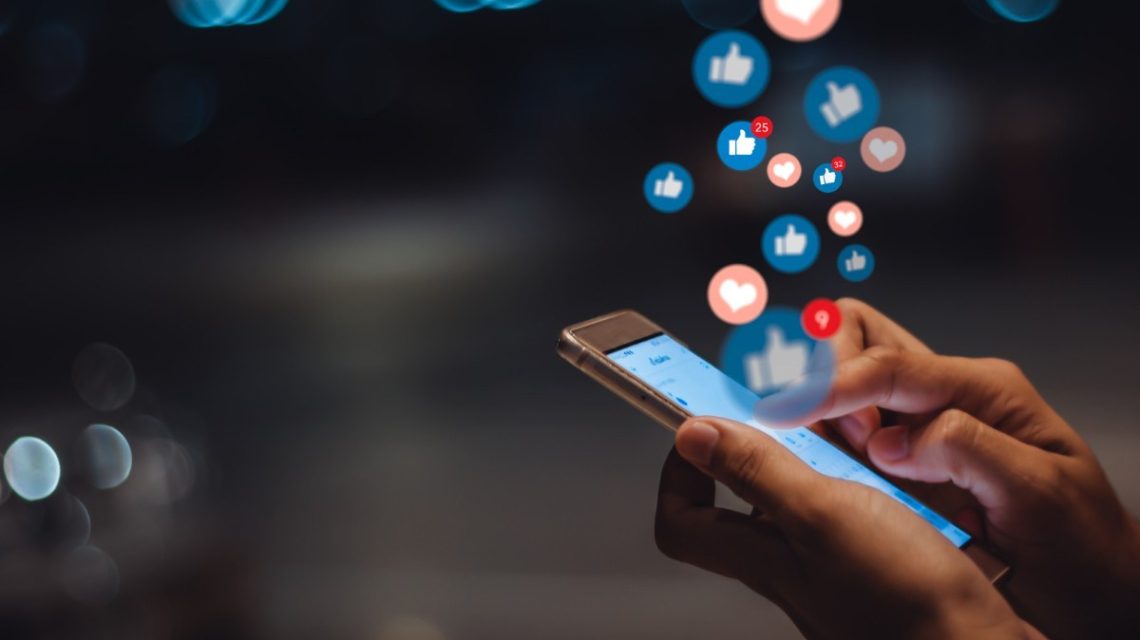
A study conducted in Norway highlights that specific social media behaviors strongly correlate with symptoms of several mental health conditions. These include anxiety and depression. Researchers examined five online behaviors: hostility from and towards others, social comparison, passing time, and seeking support. The findings identified social comparison as the most significant predictor of symptoms linked to attention deficit hyperactivity disorder (ADHD), oppositional defiant disorder, generalized anxiety disorder, social anxiety disorder, and major depressive disorder.
The study, published on October 17 in the journal Child and Adolescent Psychiatry and Mental Health, involved more than 4,000 adolescents from Norway. These participants, with an average age of 14, were evaluated using the Social Media Use Scale. This scale analyzes the five behaviors mentioned. Additionally, participants completed a phone questionnaire to assess their symptoms of the aforementioned mental health conditions.
The research revealed that social comparison accounted for 20 to 26 percent of symptom variance in generalized anxiety disorder, social anxiety disorder, and major depressive disorder. It also explained six to nine percent of variance in symptoms of ADHD and oppositional defiant disorder. Experiencing hostility from others was the second most substantial predictor, explaining three to six percent of variance across all mental health conditions.
Interestingly, simply passing time on social media did not independently correlate with symptoms of any mental health conditions in this study. However, the researchers acknowledge the limitations of the study’s design, which only collected data at a single time point.
Because we don’t have long-term data looking at the trajectories of those two things, you can’t say what comes first, i.e. does poorer mental health result in increased engagement with social media in a certain type of way, or vice versa,
said Peter Etchells, a psychology and science communication professor from Bath Spa University. This limitation means the findings emphasize the need for further study without confirming causation.
Etchells noted that further research is needed to determine how various interactions with social media can lead to different impacts. He advised individuals concerned with their social media use to consider how and why they engage with these platforms. If using social media doesn’t result in feeling better, it may signal a need for change.
For more information on the study, refer to the paper by Brunborg, G.S., Zetterqvist, M., Bang, L., et al. (2026) titled “Specific aspects of social media use and their associations with symptoms of five mental disorders among adolescents,” available in the journal Child and Adolescent Psychiatry and Mental Health.
 Impact of Rising Cannabis Use on Families and Children
 Ethical Concerns in Hormone Therapy Policy and Government Financial Disclosure
 Debate Over Data Centers in Arizona Sparks Health Concerns and Political Divisions
 Health Secretary Proposes Increased Access to Unapproved Peptides for Wellness
 Understanding Breast Cancer Risk: Steps Towards Prevention
 The Broader Impact of Abortion Bans