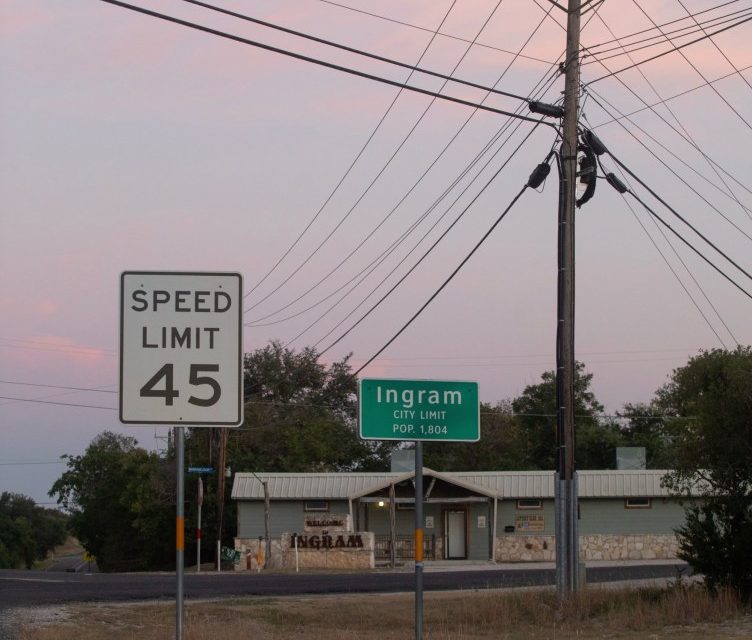
In January 2025, Donald Trump resumed a contentious Immigration and Customs Enforcement (ICE) program, converting local police officers into deportation agents. Over 29,000 officers have joined. This move has impacted small towns, with Ingram, Texas, being a notable case.
Rebuilding Interrupted
Ingram, recovering from a significant flood, saw its police department enter into an agreement with ICE. Officer Jaron Alexander, who became the local face of this initiative, played a key role. His suggestion to the police chief led to the partnership with ICE, profoundly affecting the town.
Local Police and ICE Partnership
Under the ICE collaboration, Ingram’s police began checking the immigration status of individuals, leading to deportations right in the community. Jaron Alexander confronted personal consequences, balancing his police duties with the changing dynamics of his town. In three months, the two officers handed over at least 70 individuals to ICE.
A Community in Fear
The Latino community in Ingram, which constituted up to 45% of the population, faced increasing scrutiny. From routine traffic stops to community events, Alexander and his colleague targeted undocumented residents. This reality left many families, including that of Joanna Martinez, fractured.
Officer Alexander’s Dilemma
With a career built in Ingram, Alexander didn’t return to the town to deport neighbors. Instead, his role evolved as part of his job. Personal struggles compounded his situation until he suggested the ICE program as an opportunity to help the department grow.
A resurgence of the 287(g) program, incentivized by federal funds and support, lured Ingram’s law enforcement into its fold. Ingram actively adopted the task force model, turning their local officers into ICE deputized agents.
Impact on the Community
Latino residents faced numerous challenges, from reduced security to economic strain. Businesses relying on Latino customers and employees felt the economic downturn. The pervasive fear extended to areas as far away as Mexico, affecting communities related to those in Ingram.
Friction and Reflection
Opposition grew as residents criticized the local government’s approach. Complaints arose of racial profiling, with personal experiences shared within the town’s Latino community about targeted stop-and-search practices.
Despite expressing an understanding of law enforcement’s challenges, local businesses and residents found it difficult to reconcile their support for Trump with the consequences of these policies.
Decisions and Regrets
Alexander’s encounters varied from detaining to having empathy for those arrested. His complex relationship with ICE grew as his actions were scrutinized by both sides. As deportations continued, Alexander balanced between duty and personal conflict.
“If you receive federal funds for a job,” Alexander noted, “you are expected to do it.”
A Changing Landscape
Ingram’s partnership with ICE echoed across the nation, part of a larger federal immigration enforcement strategy involving thousands of officers and agencies. As these partnerships expanded, so did the national impact.
The town’s dynamics shifted. Barrios became vacated, and local mechanics felt economic strain. Businesses observed the disappearance of employees, community members, and customers.
Alexander’s Viewpoint
Despite his role, Alexander occasionally allowed humanity to guide his on-duty decisions. His choices reflected a nuanced understanding of both law and empathy.
Ultimately, the enforcement of harsh immigration measures laid bare the challenges faced by community ties and governance, echoing well beyond the town’s small borders.
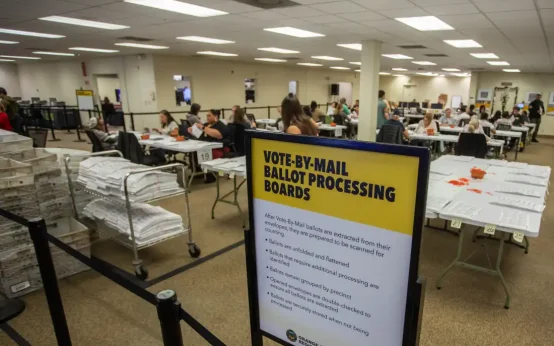 Federal Judge Denies DOJ Request to Segregate California Ballots
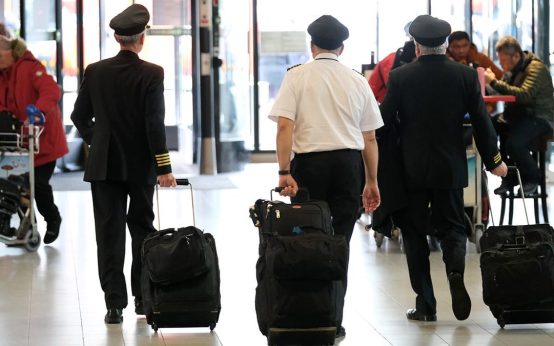 Pilot Fatigue: A Growing Concern in Aviation Safety
 Incident at Florida County Meeting Over Mosque Expansion
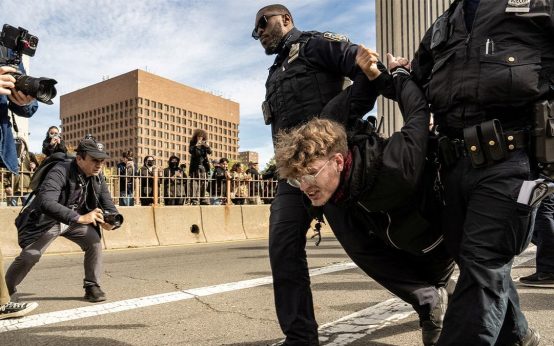 Protests and Vandalism Mark a Tense Week in New York City
 Locals vs. Tourist Crowds: Residents of Lake Hollywood File Lawsuit
 Expulsion of Cuban Diplomat After Confrontation