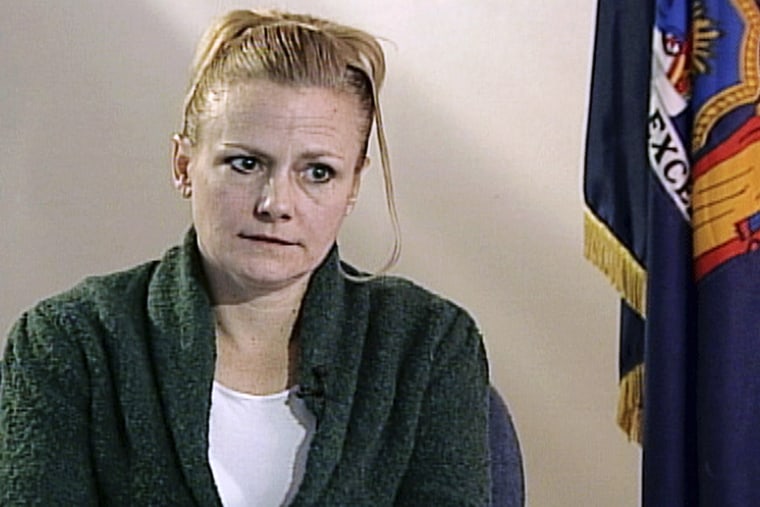
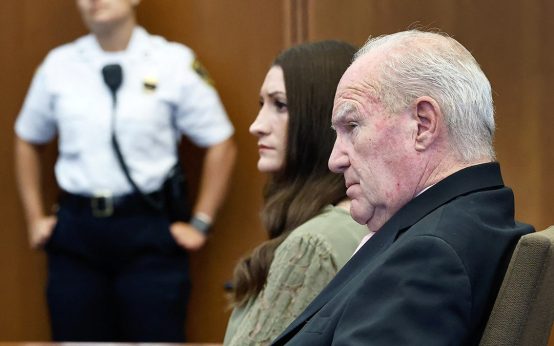
Pamela Smart, who remains in prison for orchestrating her husband’s murder in 1990, seeks a new trial. Currently serving a life sentence, her lawyers hope a New Hampshire judge will permit her latest petition to proceed.
A Trial Watched by Millions
Smart’s trial was one of the first to air live on television. At 22, she worked as a high school media coordinator when she began a relationship with a 15-year-old student. This student later shot her husband, Gregory Smart, in Derry. Despite denying involvement in the murder plot, she was convicted as an accomplice to first-degree murder and faced other charges. Her life sentence carries no possibility of parole. The shooter, however, was released in 2015 after serving 25 years.
Petition Highlights Constitutional Concerns
Smart’s habeas corpus petition, filed in January, challenges her conviction based on claimed constitutional violations. At the hearing, she will participate remotely from Bedford Hills Correctional Facility for Women in New York.
During trial, inaccurate transcripts of Smart’s recorded conversations were presented.
Smart’s lawyers argue that prosecutors misled the jury with inaccurate transcripts. They point out that transcripts included words not audible in recordings, such as “killed” in “you had your husband killed,” “busted” in “I’m gonna be busted,” and “murder” in “this would have been the perfect murder.”
Matthew Zernhelt, Smart’s attorney, stated, “Modern science confirms what common sense has always told us: when people are handed a script, they inevitably hear the words they are shown.” He argued jurors were guided to a verdict rather than independently evaluating recordings.
Smart’s lawyers also stress media attention and jury instructions influenced the trial’s outcome. Jurors allegedly received incorrect instructions about finding Smart acted with premeditation and were not restricted to evidence presented at trial. Additionally, they assert the mandatory life sentence without parole imposed was inconsistent with New Hampshire law at the time.
State Attorneys Request Dismissal
State lawyers argue the petition should be dismissed, claiming most issues were either settled on appeal or could have been raised earlier. During the trial, Smart’s defense only highlighted concerns about recording transcripts missing “doubling” of voices. The judge instructed jurors to rely on what they heard over the transcripts if discrepancies arose. The state Supreme Court noted the defense failed to show transcript inaccuracies or related prejudice.
Moreover, Smart’s legal team hasn’t demonstrated claims like ineffective counsel or the case’s jurisdictional issues. Smart’s previous attempts to reduce her sentence were denied, and her appeals to the state Supreme Court have similarly failed.
Admission and Past Appeals
In 2024, Smart accepted full responsibility for her husband’s death, acknowledging her prior deflections of blame. Her trial gained significant media attention, highlighting her affair with a student. William Flynn, the student, testified that Smart wanted her husband dead to avoid losing everything in a divorce, threatening to end their relationship if he didn’t comply. Flynn and other involved teenagers cooperated with the prosecution and have since been released. Flynn and Patrick Randall pleaded guilty to second-degree murder, each serving 28 years to life, but were granted parole in 2015.
The case inspired the book “To Die For” by Joyce Maynard and a subsequent 1995 film starring Nicole Kidman and Joaquin Phoenix.
 Mississippi Grand Jury Rules No Charges in Nolan Wells Case
  Justice Served as Former Foster Facility Manager Sentenced to 30 Years
  Ex-‘American Idol’ Contestant Caleb Flynn’s Trial Illuminated by Texts
  Illinois Supreme Court to Hear Key Case on Chicago Police Misconduct
  Plea Deal May Resolve Lindsay Clancy Case Instead of Second Trial
  Patrick Clancy Opens Up About Tragic Family Loss