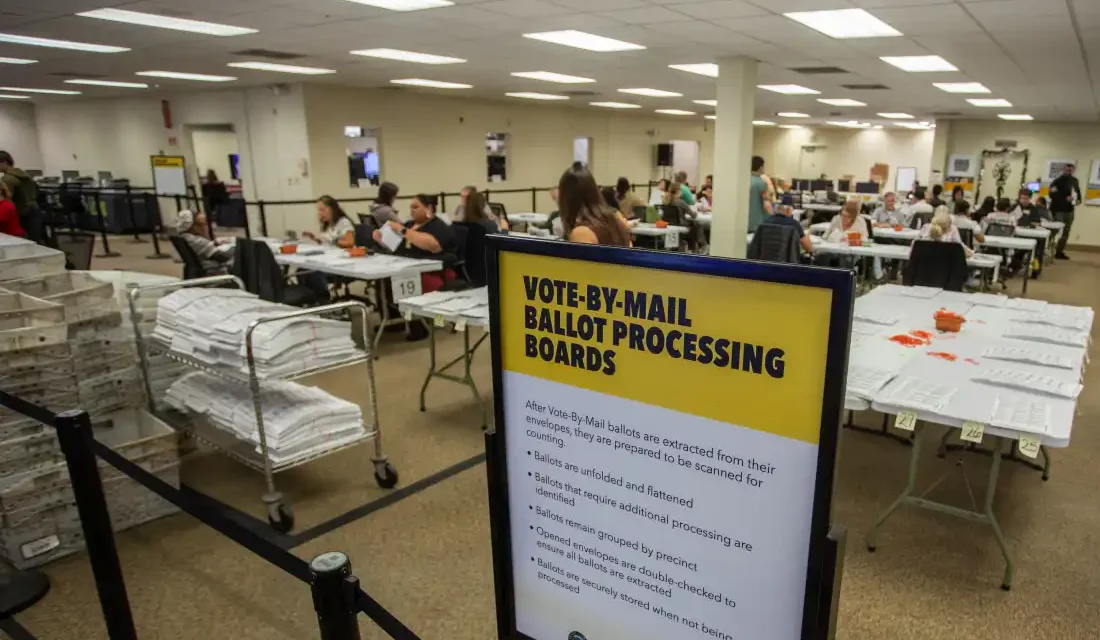
At the Orange County Registrar of Voters Facility in Santa Ana, Calif., individuals prepare mail-in ballots for counting. On October 28, 2026, a significant legal decision emerged from this electoral process. A federal judge denied the Department of Justice’s emergency request to segregate thousands of ballots in California’s midterm elections.
The DOJ aimed to halt processing of ballots linked to 20,000 individuals they suspect might be noncitizens. However, California election officials challenged the reliability of the DOJ’s list, with Los Angeles County’s initial analysis showing many people on the list weren’t actively registered to vote. They argued that setting aside ballots at this stage would be unlawful and could disenfranchise voters.
U.S. District Judge David Carter, appointed by President Clinton, issued a 26-page ruling on Wednesday night. He stressed that this move by the federal government was unprecedented. He stated, “Never before in American history has the federal government, on the eve of an election, sought to coerce a state and local government to abandon their own Constitutional elections procedures and bend to the will of the Executive Branch.” He warned of possible voter disenfranchisement and chaos that could ensue.
Carter emphasized the risks of segregating votes, saying, “Once a vote is segregated, lasting harm has occurred.” He noted that democracy could be at risk if votes are discounted based on unproven allegations.
Despite this setback, the federal government is expected to continue pursuing legal actions against individuals accused of illegal voting. In recent months, the DOJ has charged numerous people for registering or voting without U.S. citizenship.
The DOJ’s lawsuit in California reflects wider federal efforts influencing state election processes. Similar actions have been taken in other states, such as Washington and Alaska. In Washington, federal prosecutors requested a review of 400 voters they suspect as noncitizens. In Alaska, a lawsuit was filed to prevent certification of Senate results if certain conditions arise.
California Attorney General Rob Bonta has voiced opposition to federal interference, describing it as a “chilling degradation of democratic values and constitutional principles.” He urged the court to consider these factors carefully.
The DOJ likely intends to appeal this decision, potentially bringing the issue to the U.S. Supreme Court. Federal prosecutors argue urgency due to ongoing ballot processing. When signatures are verified, ballots are separated to maintain confidentiality, making retrieval of ineligible ballots impractical.
While the DOJ argues that noncitizen voting dilutes citizen votes, past audits and investigations show such instances are rare. Disputes continue regarding the DOJ’s list accuracy. Los Angeles County’s analysis from a sample indicated many claimed U.S. birth in records. However, Nicolas Bartell from U.S. Citizenship and Immigration Services contested these findings, though he acknowledged some individuals might have citizenship claims. He provided insights into the federal methodology for compiling this list.
University of Delaware political scientist Kassra Oskooii has criticized the reliability of the USCIS’s protocol in his court declaration, adding another layer to this complex legal situation.
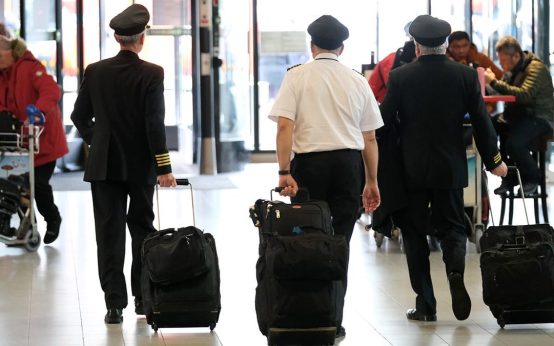 Pilot Fatigue: A Growing Concern in Aviation Safety
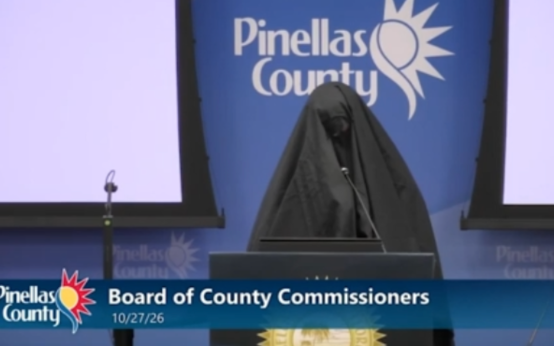 Incident at Florida County Meeting Over Mosque Expansion
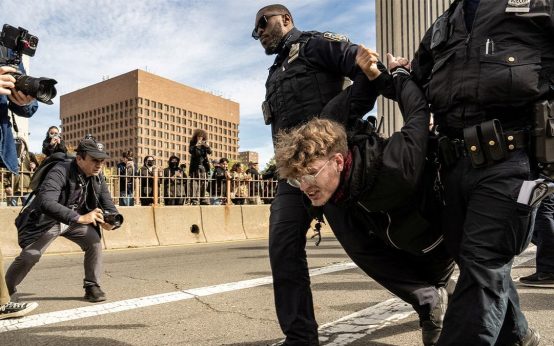 Protests and Vandalism Mark a Tense Week in New York City
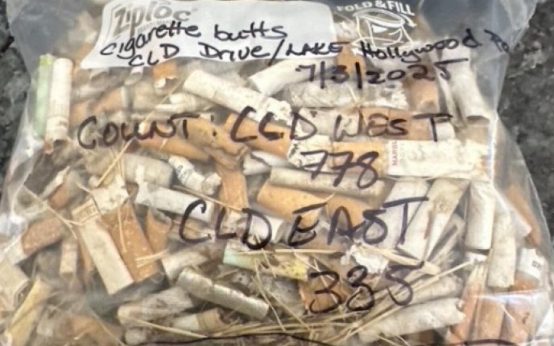 Locals vs. Tourist Crowds: Residents of Lake Hollywood File Lawsuit
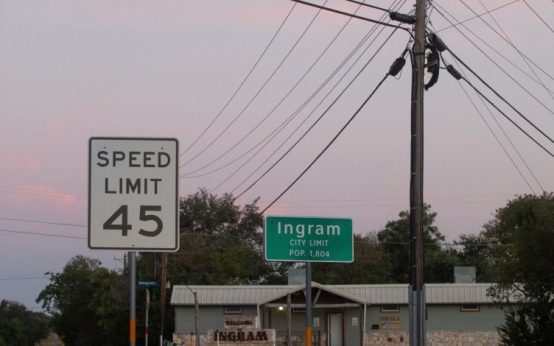 A Surge in Silence: The Revival of a Controversial ICE Program in Ingram, Texas
 Expulsion of Cuban Diplomat After Confrontation