
The Federal Trade Commission (FTC) has instructed nine companies to disclose details on how they set consumer prices and establish pay for gig workers. The companies under scrutiny include Delta Air Lines, United Airlines, JetBlue, Lyft, Uber, DoorDash, Instacart, Target, and Walmart.
FTC’s Objective
The FTC aims to investigate whether prices or compensation for the same product or service vary based on personal data or other factors, such as participation in loyalty programs. These efforts are part of a market study under Section 6(b) of the FTC Act. This provision enables the FTC to conduct broad analyses without focusing on law enforcement. The agency emphasizes that this inquiry aims to gather information, not to accuse any company of wrongdoing.
Newsweek reached out to the FTC and the involved companies for comments outside office hours for additional insights.
Companies Under Investigation
The named entities encompass a wide range of industries: Delta, United, and JetBlue from airlines; Lyft and Uber from ride-share services; DoorDash and Instacart from food delivery; and Target and Walmart from retail.
The FTC goes beyond examining customer-visible prices. For ride-share and delivery firms like Lyft, Uber, DoorDash, and Instacart, the focus includes worker pay determination methods. Concerns arise that offers to workers may be based on unknown factors, such as phone usage or a history of offer acceptance.
Each company must respond within 45 days of receiving the order. The FTC can seek a court order if a company fails to comply.
Understanding Personalized Pricing
Personalized pricing involves setting different prices based on customer information or behavior. Factors could include online activity, purchase history, or loyalty program involvement.
This method differs from traditional price variations due to sales, time of day, location, demand, or the cost of services. The FTC’s investigation aims to uncover the actual factors companies use in pricing and whether gig worker offers are influenced by similar elements.
The FTC’s prior study in 2024 focused on intermediary companies offering pricing tools, not the businesses implementing pricing strategies.
Case Study: Instacart and Price Variations
Instacart is among the companies receiving the FTC order. An independent study by Consumer Reports, Groundwork Collaborative, and More Perfect Union highlighted Instacart’s pricing variations. Volunteers shopped identical grocery baskets on Instacart simultaneously. Out of 437 participants, 193 submissions were analyzed.
Findings revealed that about 75% of items showed price variations, some with differences up to 23%. Overall basket totals varied by an average of 7%. Tests extended to various retailers like Albertsons, Costco, Kroger, Sprouts Farmers Market, Safeway, and Target, revealing price differences.
Instacart maintained that these tests were random and temporary. They stated no use of personal data or demographics for setting prices. Around the investigation time, 10 partners used Eversight pricing tools, without specific identification. Target denied a business link with Instacart and shared pricing data. Instacart later stopped offering technology enabling price variations for the same groceries concurrently at Target and Costco.
Consumer Reports surveyed 2,240 U.S. adults in 2025. Among them, 72% of Instacart users in the prior year opposed differential pricing based on any criteria.
Len Sherman, adjunct professor at Columbia Business School, described the exposure to algorithmic pricing as a significant, ongoing social experiment.
Next Steps in the Inquiry
The responses from these companies will aid the FTC in evaluating factors influencing pricing and compensation. However, the inquiry currently does not conclude whether these practices are unfair or violate regulations. The commission’s study gathers insights directly from businesses, unlike earlier projects targeting pricing-tool intermediaries. No public release schedule for findings has been announced.
Newsweek editors involved in this story are Rebecca Flood and Emma Lee-Sang.
 The White House Accord on Super Intelligence and Its Implications
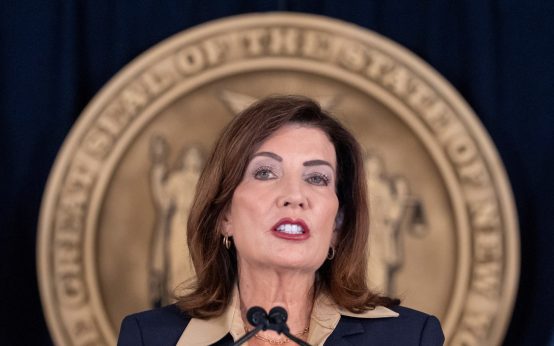 New York Enacts AI Companion Chatbot Restrictions to Protect Children
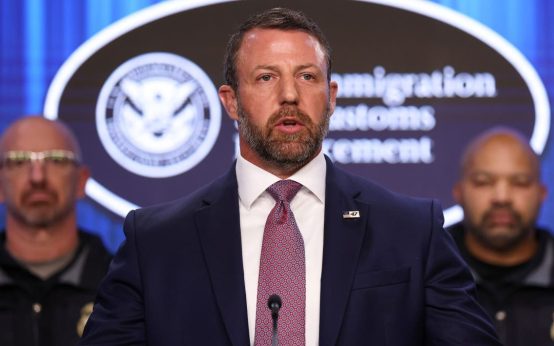 Massive Data Breach Hits Department of Homeland Security
 U.S. Department of Homeland Security Data Breach Exposes Thousands
 Navigating AI in Business: Upcoming Webinar Discussion
 The Role of a Cybersecurity Educator in Personal IT Support