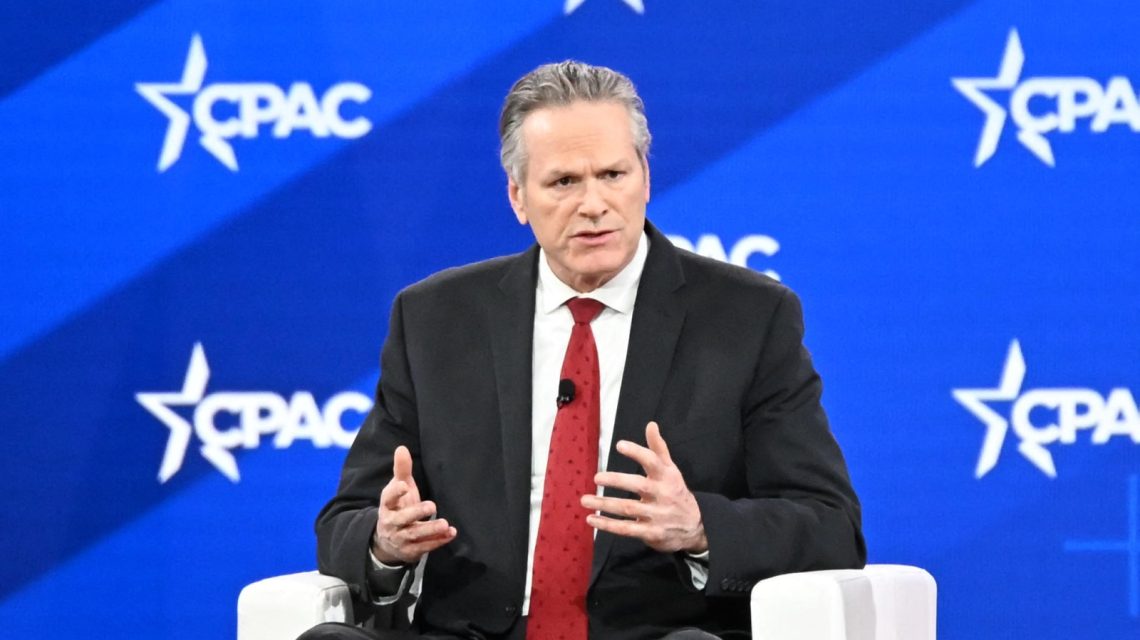
Alaska Governor Mike Dunleavy has initiated a state investigation into claims involving Democrat Mary Peltola’s U.S. Senate campaign. The allegations suggest campaign staff engaged in recruiting candidates to divert votes from Republican Senator Dan Sullivan, intensifying a pre-election conflict.
Dunleavy, a Republican, asked the Alaska Department of Public Safety to verify if this alleged ballot shaping contravened state law, and determine the possibility of criminal or civil repercussions. He referenced a New York Times article revealing evidence of organized recruitment efforts aimed at creating voter confusion.
The New York Times discovered figures linked to Peltola’s campaign and aides from the Democratic Senatorial Campaign Committee were involved in promoting Daniel J. Sullivan Jr., another candidate sharing the Republican senator’s name. Despite these disclosures, both Peltola’s campaign and the DSCC refuted involvement in recruiting Sullivan Jr. or others.
Legal Questions Raised
The Times’ report has prompted a crucial legal inquiry: If these political maneuvers were made to influence voter decisions, which Alaska law would that violate? Jeff Feldman, a law professor, notes the complexity of these allegations. He suggested uncertainty exists regarding whether such actions breach any state legal provisions.
Previous attempts to dislodge Sullivan Jr. from the ballot have been thwarted by state judicial decisions. The Alaska Division of Elections initially found his candidacy potentially misleading, but the ruling was overturned by a state court, citing absence of a ‘good faith’ legal requirement.
Meanwhile, the federal government is embroiled in a Justice Department lawsuit targeting the election process. Alaska’s Department of Law has motioned for its dismissal, challenging the federal jurisdiction over state election administration.
Ongoing Investigations
The Governor’s investigation may shift focus. While past court actions centered on ballot eligibility, the current inquiry could scrutinize possible legal infractions surrounding candidate recruitment efforts.
President Donald Trump has vociferously critiqued the campaign activities attributed to Peltola. Trump has asserted fraudulent voter misdirection and suggested barring Peltola from the election outcome if she succeeds electorally.
Feldman emphasizes the lack of explicit legal basis for criminal indictments under existing Alaskan code, raising uncertainties over the judicial proceedings’ potential conclusions.
Electoral Dynamics and Candidate Responses
Daniel J. Sullivan Jr. stands on the ballot as an independent contender, differentiating from Senator Sullivan’s registered Republican status. After affiliating as a Republican earlier, Sullivan Jr.’s current ‘undeclared’ voter registration reflects his stance of political independence.
Sullivan Jr. insists on self-motivated candidacy due to dissatisfaction with current representation. Simultaneously, Peltola deflects accusations of manipulation, maintaining they lacked involvement with ballot recruitment strategies.
Senator Lisa Murkowski echoed disdain for alleged manipulative tactics but bucks against federal interference as proposed by the Justice Department case.
In this highly contested race, voters are being closely watched due to its potential to shift Senate balance. With ranked-choice voting, the electoral outcome may hinge on second-preference votes should no candidate achieve immediate majoritarian support.
 Trump Cancels Kansas Rally Amid Tight Senate Race
 Congressional Maneuver May Block DSA Members from Being Sworn In
 Sen. Ted Cruz Warns of Potential Far-Left Shift if Abdul El-Sayed Wins Senate Race
 The Untold Consequences of America’s Geopolitical Decline
 Gov. Hochul Plans Solution for Wage Freeze due to Job Losses
 The Oncoming Election and Halloween Festivities