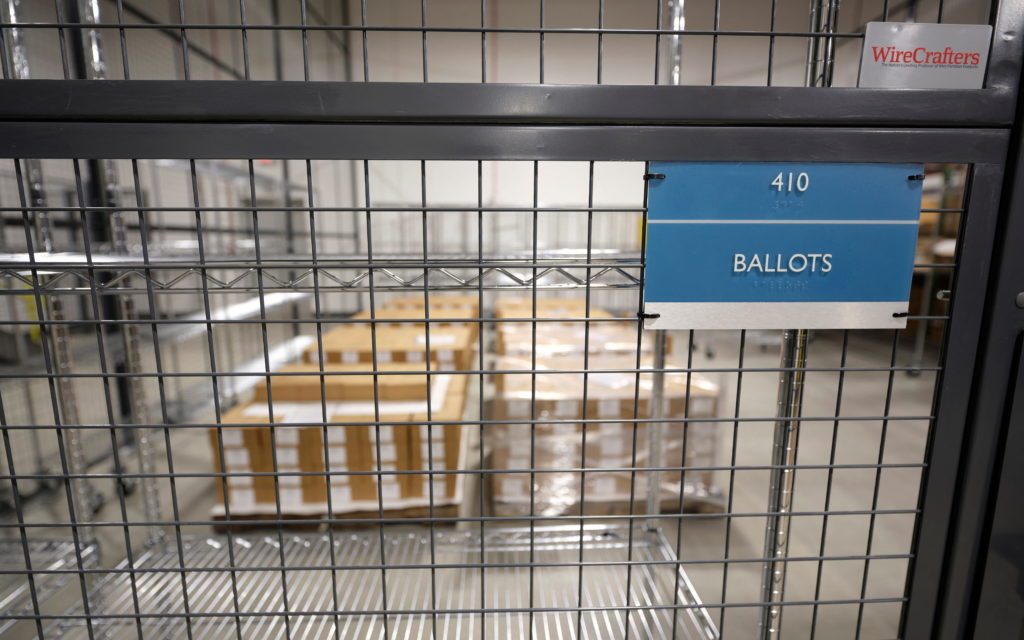
With Election Day approaching, states have intensified preparations, introducing new congressional maps and voting rules alongside existing security measures. President Donald Trump continues to make unfounded claims about election security, yet the Department of Justice plans to deploy 1,000 election monitors in every state. This number is more than double that of the 2022 midterms.
In a Reddit Q&A session, PBS News’ Liz Landers and Votebeat’s Jessica Huseman addressed questions on election security. Questions focused on concerns about vote tampering and potential federal government interference.
Illegal Voting Is Extremely Rare
Despite Trump’s false claims of widespread voter fraud, evidence shows such fraud is rare. The administration’s efforts, including issuing over 100 subpoenas, aim to tackle alleged noncitizen voting. However, experts confirm noncitizen voting incidents are minimal.
Votebeat investigated the Election Truth Alliance’s claims of manipulated votes in Pennsylvania. Their analysis proved flawed, yet it raised significant funds. Huseman emphasizes that elections are transparent, with audits and observers ensuring accuracy.
Limits of Presidential Power Over Elections
The U.S. Constitution grants states the authority over election logistics, not the president. Trump cannot declare a national emergency to influence elections. This autonomy means states will continue administering elections irrespective of any presidential declarations.
Landers confirmed that election officials would not halt administration due to presidential declarations lacking legal backing.
Role of Federal Election Monitors
The Justice Department is deploying more than 1,000 federal monitors to observe Election Day processes. Their role is to monitor within the constraints of local and state law. Any observed federal law breaches will be reported to DOJ headquarters for post-election investigation.
Legal experts advise voters to report unusual polling incidents to authorities or media sources. Some jurisdictions offer live observers or streams showcasing election proceedings.
Voter Roll Maintenance Steps
States regularly update voter rolls, a necessary part of maintaining accurate lists. This maintenance, deemed ‘list maintenance,’ ensures ineligible voters are removed, though it raises concern when inaccurately labeled as a ‘purge.’
Huseman explains that removing ineligible names supports voter registration outreach efforts. Investigations in Texas revealed misleading claims about voter roll removals, emphasizing the need to differentiate between flagged reviews and actual registration losses.
Election Certification Challenges
Recent election cycles have seen challenges to vote certification, like in Otero County, New Mexico. When local officials refuse to certify results, the courts enforce resolutions, ensuring election integrity. This was evident in Cochise County, Arizona, where legal intervention ensured certification.
Landers notes that system checks and balances make preventing certification unlikely, as legal actions and state enforcement measures are prepared to address any refusals.
The role of a free press in fostering a healthy democracy is irreplaceable. Supporting reliable journalism is vital for ensuring informed civic engagement.
 Judge Questions Attorney General’s Impartiality
 Senate Report on Trump’s Impact on U.S. Foreign Policy Costs
 Libertarians Seek to Reshape U.S. Politics
 Voting Continues Despite Concerns in Midterm Elections
 Alaska Governor Mike Dunleavy Orders Investigation into Allegations Against Peltola’s Campaign
 Trump Cancels Kansas Rally Amid Tight Senate Race