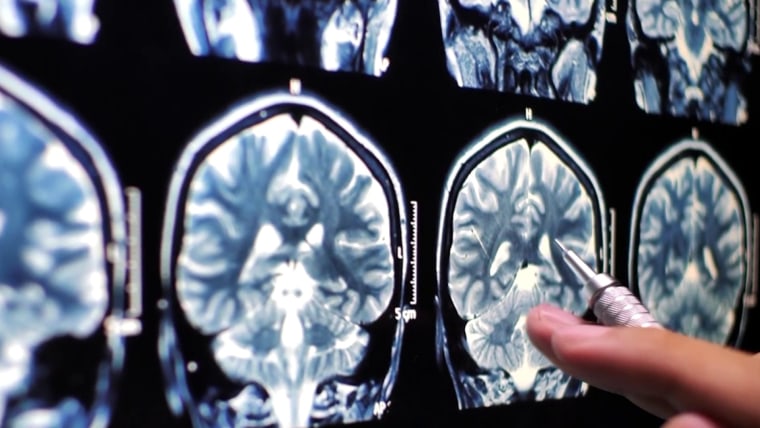
A large-scale, long-duration study has revealed that playing a brain training video game could potentially protect the brain against dementia, with benefits lasting for decades. Experts claim this study presents the most substantial evidence to date that cognitive training can induce lasting brain changes.
Noteworthy Findings on Cognitive Training
The research, recently published in Alzheimer’s & Dementia: Translational Research & Clinical Interventions, revisits the Advanced Cognitive Training for Independent and Vital Elderly (ACTIVE) trial. Participants engaged in up to 23 hours of a specific cognitive training known as speed training over three years exhibited a remarkable 25% lower risk of developing Alzheimer’s and other dementia types over a 20-year follow-up period.
Marilyn Albert, director at the Johns Hopkins Alzheimer’s Disease Research Center, remarked, “It’s very surprising. It’s not at all what I would have expected.” The study reaffirms previous findings from the ACTIVE trial, revealing decreased dementia risks among participants over a decade.
Details of the ACTIVE Study
Funded by the National Institutes of Health (NIH), the ACTIVE study is a comprehensive randomized controlled trial including nearly 3,000 participants aged 65 and older from various regions who displayed no significant cognitive impairment at the beginning. The diverse group consisted of approximately 25% minorities and a majority of women, who statistically face a higher Alzheimer’s risk.
Participants underwent initial training, up to ten sessions twice a week, lasting 60 to 75 minutes each over five weeks. About half of those in each training group received additional booster sessions constituting up to 23 hours of training over three years. Medical records tracked via Medicare over a 20-year span documented dementia diagnoses, encompassing various types, including Alzheimer’s and vascular dementia.
The group that completed the speed training plus booster sessions saw a 25% drop in dementia risk compared to the control group, with those lacking the additional training displaying no significant benefits.
Insights from Experts
Dr. Richard Isaacson, a preventive neurologist at the Institute for Neurodegenerative Diseases in Boca Raton, Florida, commented, “It builds on the concept that relatively small amounts of effort can really pay dividends for decades to come.” Although not directly involved, he emphasized the potential long-term benefits of such cognitive practices.
Dr. Thomas Wisniewski from NYU Langone Health called the findings “astonishing,” highlighting them as the strongest proof so far that cognitive training can reduce dementia risk.
Varied Cognitive Training Programs
Participants entered one of three cognitive training programs: speed training, memory training, or reasoning training, with a control group receiving no intervention. Dr. Sanjula Singh of Harvard Medical School explained that speed training aims to enhance the brain’s visual processing capabilities by requiring quick and accurate object identification and decision-making – akin to the reflexive thought processes used when driving.
While memory training taught mnemonic strategies to aid in word and detail recall, reasoning training focused on serial pattern problem-solving. Neither demonstrated a significant protective effect against dementia.
Implications of Speed Training
The possible advantage of speed training over other types may relate to different brain learning mechanisms, such as implicit versus explicit learning. Implicit learning, akin to skills like riding a bike, utilizes different parts of the brain and can result in durable brain rewiring without continuous practice, Albert shared.
“Once the brain rewires for these skills, the change is durable even without continued practice,” said Singh.
Dr. Kellyann Niotis of Weill Cornell Medicine proposed that speed training may increase cognitive reserve, which bolsters a healthy brain’s ability to fend off dementia. This training may engage broader neuronal networks, enhancing brain resilience, she explained.
Potential for Broader Benefits
Speed training’s adaptiveness, according to Albert, implies that its difficulty scales with the user’s performance level, presenting continuously escalating challenges, unlike other training types.
The speed training program from the study, devised by psychologists Karlene Ball and Daniel Roenker, is now offered through BrainHQ’s online platform as an exercise known as “Double Decision.” Though primarily recommended for individuals over 65, Albert suggests it may be beneficial if started earlier due to potential preemptive brain changes signaling Alzheimer’s onset.
Despite the promising study outcomes, experts underline the complexity of Alzheimer’s and similar disorders, advising holistic cognitive health maintenance strategies.
Dementia Risk Reduction Methods
An estimated 7 million Americans live with Alzheimer’s, projected to surge to 13 million by 2050. Identifying preventive measures is crucial, with nearly 50% of dementia cases potentially being delayed or diminished through targeted risk factor management, according to a 2024 Lancet Commission report.
Dr. Akshay Syal of UCLA Health recommends approaches including timely hearing examinations, managing cholesterol, blood sugar, and blood pressure, and correcting vision impairments. Incorporating exercise, especially with cognitive challenges, is also encouraged.
Notably, emerging evidence links the shingles vaccine to decreased dementia risks, highlighting multifaceted prevention strategies.
 Upcoming Concerns and Influence in Health Politics
  Fraud Task Force Saves Billions by Tackling Obamacare Misuse
  Presley Gerber’s Passing Raises Addiction Recovery Concerns
  Understanding October SNAP Benefits: Payment Dates and Changes
  Managing Distress and Discomfort Effectively
  Trump Administration Seeks to Influence NIH Grantmaking