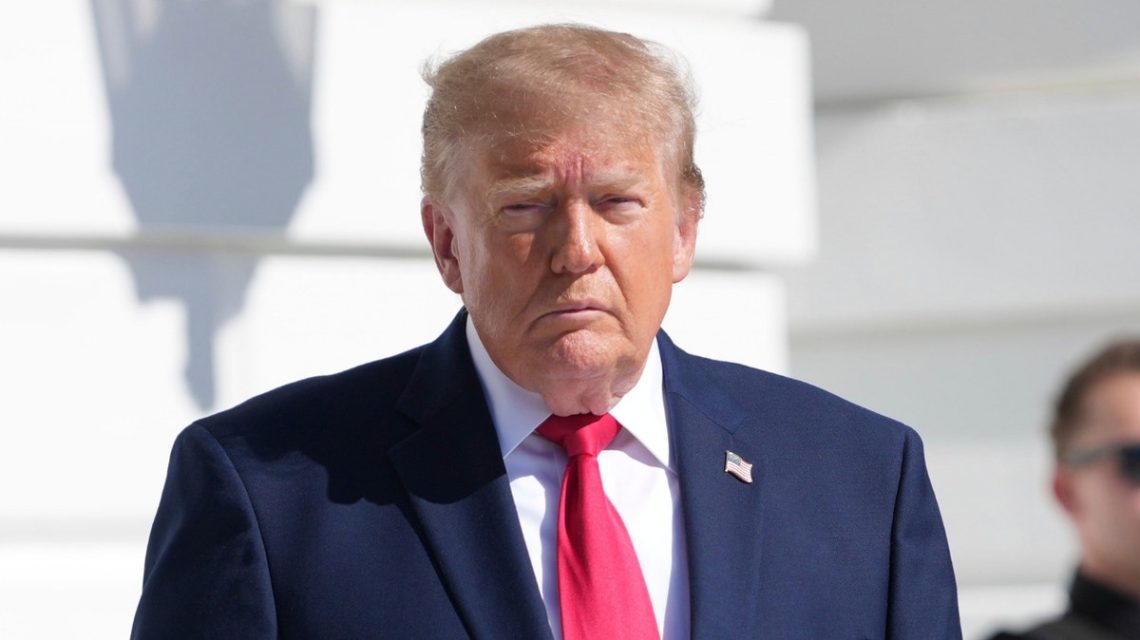
Senator Elissa Slotkin has expressed concern about young people joining the Trump administration. She believes that potential legal consequences could deter them. Slotkin wants her party to pursue significant cases against Trump officials. This approach aims to discourage young Americans from considering jobs in his administration.
Abhishek Kambli, a former deputy associate attorney general in Trump’s Justice Department, has warned that Slotkin’s comments might have unintended effects. These remarks could provide Trump officials with legal grounds to challenge Democratic investigations if they regain control of Congress. Kambli advises caution, noting that Congress must demonstrate legitimate legislative purposes in investigations. Courts will examine whether demands are justified by weighing factors set by the Supreme Court in Trump v. Mazars.
The Supreme Court requires Congress to establish a legitimate legislative purpose for investigations. In a 2020 ruling, the court set a four-factor test in Trump v. Mazars. This test asks whether Congress has a legislative need for the records, if requests are narrow, if information is available through other means, and the burden subpoenas place on the president.
Kambli argues that future subpoenas might face challenges based on public remarks. Courts tend to look beyond stated reasons, considering broader comments made by lawmakers. House Democrats are already planning investigations into Trump’s business dealings and potential conflicts of interest if they regain control of Congress. Senator Richard Blumenthal has expressed intentions to investigate further in such cases.
While some believe these remarks could weaken future subpoenas, not all experts agree. Florida State University law professor Michael Morley suggests courts recognize partisan motivations in congressional probes but are unlikely to invalidate subpoenas on public statements alone. Morley asserts that courts would hesitate to conclude Congress lacks authority based on members’ possible motivations.
The Supreme Court cleared a path for the Trump administration’s policies during ongoing legal challenges. Slotkin responded to criticism, clarifying her stance on targeting those misusing taxpayer dollars, not all Republican-affiliated employees. Classifying criticism as “manufactured outrage,” Slotkin suggests her intent is misunderstood.
Kambli emphasizes potential consequences beyond legal wins or losses. Investigations could financially and reputationally damage targets, even without criminal charges. He notes that legal processes may serve as punitive measures. The nature of political disputes could negatively impact young government employees lacking resources to defend themselves.
Michael Morley cautions against political disputes handled in a manner that intimidates government newcomers. The interaction between politics and legal proceedings points to broader implications for how political and legal systems intersect.
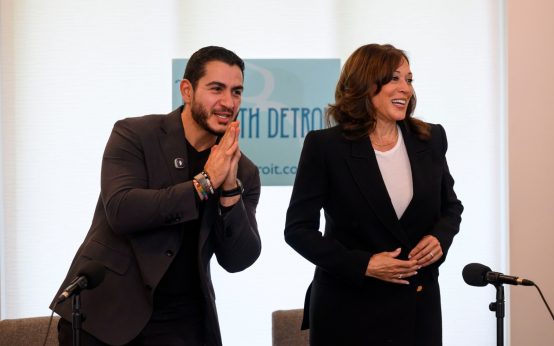 Abdul El-Sayed Faces Challenges in Michigan’s Senate Race
 Los Angeles Leaders Criticize ICE Conduct in North Hollywood Incident
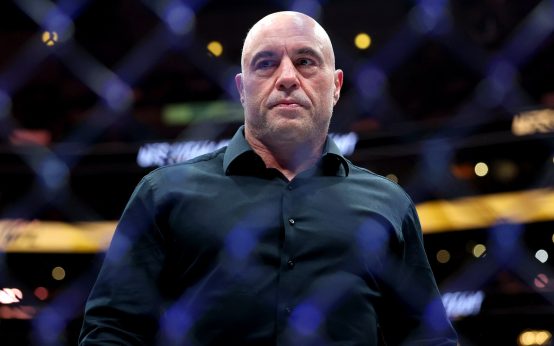 Joe Rogan Criticizes Trump’s Immigration Policies and Iran Conflict
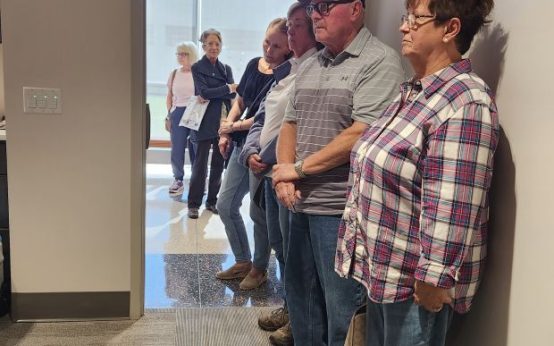 Increased Early Voting in Lake and Porter Counties
 Lake County Council District Election Dynamics
 Kid Rock’s Surprising Golf Encounter with Trump and Macron