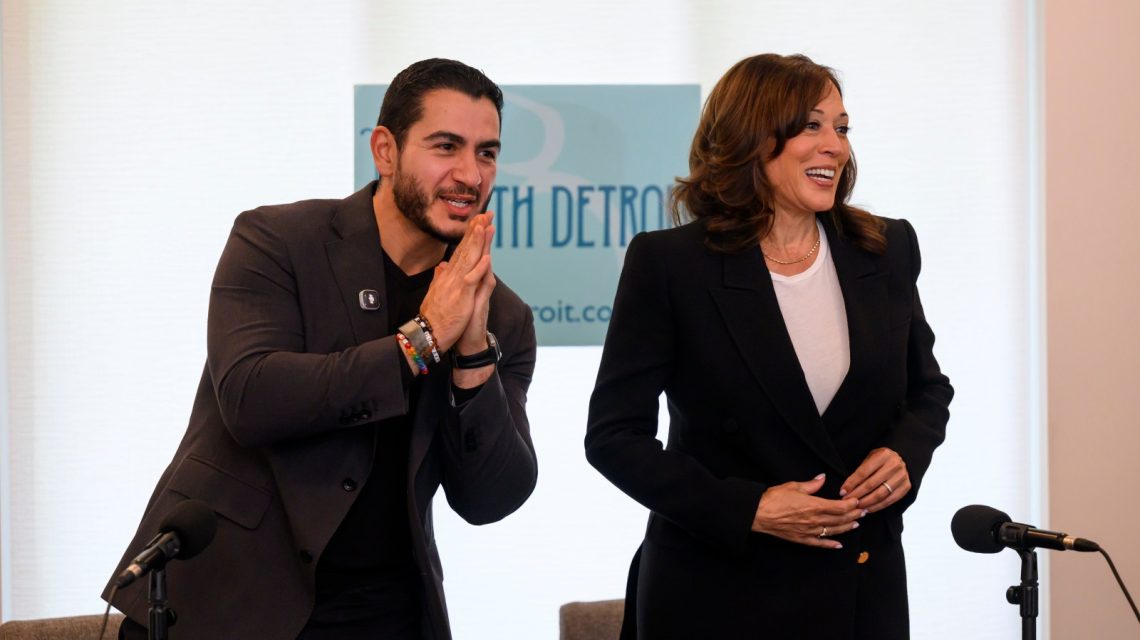
Renewed Criticism and Imperative Support
Michigan Democratic Senate candidate Abdul El-Sayed faces renewed scrutiny over his efforts to appeal to Black voters just before the midterm elections. This situation raises crucial questions about his ability to secure a vital segment of the Democratic coalition in one of the country’s significant Senate races. The impact of this contest extends beyond Michigan, affecting the broader landscape as Democrats aim for a net gain of four seats to reclaim control of the Senate. Holding the seat vacated by retiring Senator Gary Peters is essential for Democrats.
Black voters have historically been instrumental to Democratic successes in the Midwestern battleground state. Even a slight decline in turnout or support from them could prove significant. El-Sayed’s challenges include both defeating Republican opponent Mike Rogers and unifying a Democratic coalition still fractured by a tense primary.
Analyzing Black Voter Support in Michigan
Recent polling offers a glimpse into El-Sayed’s standing among Michigan’s Black voters. The Data for Progress poll conducted October 23–25 indicates 82 percent of Black likely voters support El-Sayed, compared to 15 percent favoring Rogers. This contrasts with the 87 percent of Black Michigan voters supporting Kamala Harris in the 2024 presidential race, according to CNN exit polling.
Democratic Senator Elissa Slotkin received 85 percent of the Black vote in her 2024 campaign against Rogers. Although Harris lost in the presidential election, Slotkin’s narrow victory demonstrated that Black support remains critical.
In the 2020 elections, Joe Biden secured 92 percent of Black votes in Michigan, while Senator Gary Peters received 90 percent during his reelection race. These figures from Edison Research exit polling highlight the significance of Black voter support. The comparisons suggest potential challenges ahead for El-Sayed, despite his polling outperforming Democratic gubernatorial nominee Jocelyn Benson’s 79 percent support among Black voters.
The Importance of Black Voters
Approximately 1.4 million Michigan residents are Black, making up 13.9 percent of the state’s population of roughly 10.1 million, according to official 2025 estimates. Black voters are a critical component of the Democratic coalition, notably in Detroit, Wayne County, and cities like Flint and Pontiac. Their turnout can prove decisive in tightly contested elections.
In 2016, Trump secured Michigan by around 10,700 votes, before Biden reversed the state by approximately 154,000 votes in 2020. Trump regained Michigan in 2024, defeating Harris by about 80,000 votes. Black voters comprised roughly 11 percent of Michigan’s electorate in 2024, according to exit polls. Even modest shifts in their turnout or party preference could impact a close race.
El-Sayed’s Challenge: Uniting the Democratic Coalition
El-Sayed’s ties with Black voters have faced heightened scrutiny since his narrow victory over Representative Haley Stevens in the August Democratic primary. Stevens gained considerable support from Black voters, winning Wayne County with 51 percent to El-Sayed’s 45 percent.
Stevens encouraged El-Sayed to address Black voter concerns more directly, yet claimed this did not happen. Although she plans to vote for El-Sayed, tensions linger over his stance on Israel and campaign messaging.
Some Democratic leaders worry about potential voter apathy among those who backed Stevens in the primary. El-Sayed’s campaign emphasizes healthcare affordability, battling economic inequality, and opposing Trump’s agenda. Prominent figures, such as Senator Bernie Sanders, back him. Former President Barack Obama campaigned with him in Detroit, and Kamala Harris joined him for talks on Black maternal healthcare. Support from figures like Georgia Senator Raphael Warnock is also noted.
Polls Show El-Sayed Leading Rogers Statewide
Despite concerns surrounding Black voter enthusiasm, recent polls show El-Sayed leading Rogers. A CNN/SSRS survey from October 20–27 found El-Sayed ahead by seven points, 49 percent to 42 percent among likely voters. Data for Progress reported him leading 50 percent to 46 percent in a poll conducted October 23–25. The Marist poll from October 15–18 showed a tighter race, with El-Sayed at 50 percent to Rogers’ 48 percent.
Differences in poll figures highlight uncertainties about El-Sayed’s lead size, though all polls place him ahead. The CNN poll found 95 percent of Democrat likely voters supporting El-Sayed, suggesting strong consolidation behind the nominee following the divisive primary.
Michigan’s Role in Senate Control
Democrats must gain four Senate seats for control in November’s elections. Michigan, represented by retiring Democrat Gary Peters, is pivotal. Losing Michigan mandates securing an additional Republican-held seat, complicating the path to a majority.
Opportunities in states like Maine, Texas, Ohio, Iowa, and Kansas have become more competitive due to dissatisfaction with Trump, increasing uncertainty around these races. El-Sayed’s immediate challenge is assuring adequate turnout among traditional Democrat supporters. His polling suggests overwhelming Black voter support. The question remains if that enthusiasm converts to necessary turnout to determine party control of the Senate.
 Los Angeles Leaders Criticize ICE Conduct in North Hollywood Incident
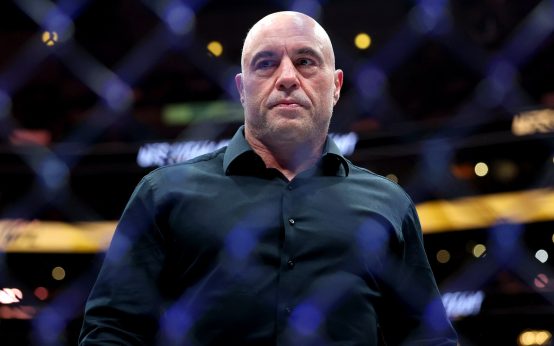 Joe Rogan Criticizes Trump’s Immigration Policies and Iran Conflict
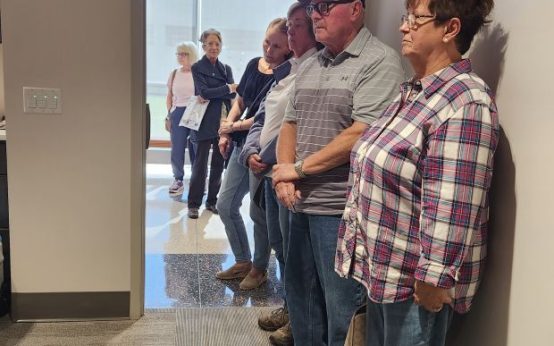 Increased Early Voting in Lake and Porter Counties
 Slotkin’s Remarks Could Impact Democratic Investigations
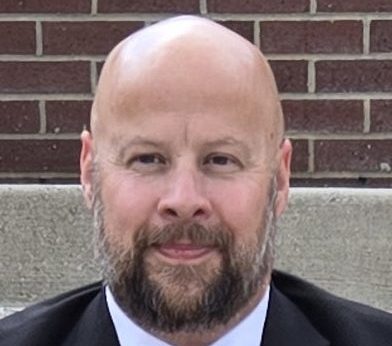 Lake County Council District Election Dynamics
 Kid Rock’s Surprising Golf Encounter with Trump and Macron