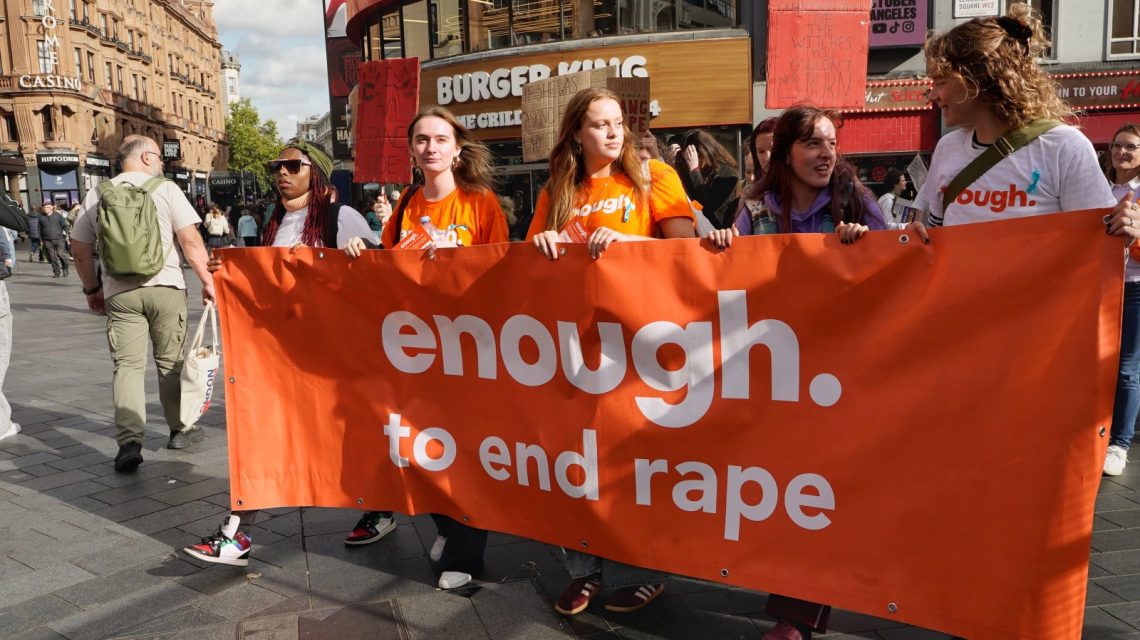
Students at around 100 colleges nationwide will join ‘Take Back the Night’ events on Sunday. This comes after the Cornell University sexual assault case revived discussions on fraternity culture, campus safety, and university accountability.
National Rally and Livestream
The National Campus Take Back the Night Rally starts with an 8 p.m. EST national livestream. Following this, hundreds will rally on campuses for protests and present a five-point reform to university leaders. Register at takebackthenight.org to watch the livestream.
Cornell University in Ithaca, New York is under scrutiny for its handling of the Chi Phi fraternity case. Allegations of sexual assault have sparked protests, donor reactions, and a faculty vote of no-confidence. Broader concerns about college fraternity oversight and student safety have been raised.
“Cornell enabled us to have an entry point and a larger audience for this conversation,” said Katie Koestner, executive director of Take Back the Night.
A survey by Westat for the HESMA Survey Consortium revealed 18.9% of undergraduate women reported nonconsensual sexual contact in college. The rate for men was 6.5%.
Liana Mirvis Galper, a first-year student at Yale, quickly became involved, coordinating the national rally after hearing about Cornell’s Jane Doe case. Galper has been actively planning the event with student organizers and speakers.
Mobilizing Nationwide
The initiative expanded rapidly to include 79 campuses across the U.S. Katie Koestner emphasized the need for broad participation.
Initial plans focused on local campus marches. However, some campuses imposed demonstration restrictions, leading to the inclusion of a national livestream to enhance participation. This has become a significant anti-sexual-violence campaign on college campuses.
The Impact of the Cornell Case
Cornell’s situation highlights recurring themes in campus assault discussions: fraternity culture, alcohol, university discipline, and transparency. The accused students have denied any wrongdoing.
Cornell President Michael Kotlikoff admitted shortcomings in the university’s response and committed to a thorough investigation.
New York Governor Kathy Hochul announced state police would handle sexual assault complaints at Cornell. University police will transfer complaints to state police unless victims choose another agency.
“I will continue to do everything in my power to ensure survivors are treated with dignity and respect,” Governor Hochul stated.
Koestner notes the case’s complexity and the prominence of the university enhanced public attention. She expressed frustration with long-standing issues of non-transparency and institutional control.
Historical Context and Fraternity Culture
‘Take Back the Night’ began in the 1970s addressing healthcare access, campus lighting, and violence-free walking. Katie Koestner publicly accused a fellow William & Mary student of rape in 1990, becoming a national voice for what was then called ‘date rape.’
Today’s student concerns echo those of decades past. Koestner finds it concerning that colleges haven’t progressed in protecting students.
Fraternity culture remains a contentious issue. Koestner argues that universities know high-risk areas but haven’t effectively tackled them. Fraternity houses are often implicated in sexual assaults.
University Responses and Future Directions
Chi Phi fraternity’s Cornell chapter faced swift actions. Interim executive director Trey Robb emphasized condemnation of sexual assault and substance abuse.
Education law expert Peter Lake warns against banning fraternity activities, as it might drive misconduct to less-regulated environments. He highlights a balance needed between oversight demands and preventing risky behavior off campus.
Colleges, including Cornell, suspended fraternity social events, assessing their extent of oversight on student groups.
The Five-Point Mandate
‘Take Back the Night’ centers on a five-point mandate:
- Evidence-based prevention education for all students
- Trauma-informed investigations and independent oversight
- 24-hour emergency response systems and student protections
- Monthly transparency reporting and annual campus surveys
- Utilization of university expertise to modernize assault laws
Koestner acknowledges these are initial steps, stressing the importance of practical reforms. The challenge lies in transforming attention from the Cornell case into lasting change.
Colleges have cycled through reform and litigation over decades. Title IX enforcement has shifted across administrations. Koestner insists that enduring change requires determination and commitment.
 Los Angeles Leaders Criticize ICE Conduct in North Hollywood Incident
 Pregnant Woman Killed in Bay Area Halloween Store Shooting
 Weather Challenges for Voters in Key States on Election Day
 Analysis of DHS Worker Data Hack Spurs Violent Rhetoric Against Immigration Officers
 Alaskan Senate Campaign Accusations Surface Amid Election Controversy
 The Journey to Citizenship: Voting for Family and Future