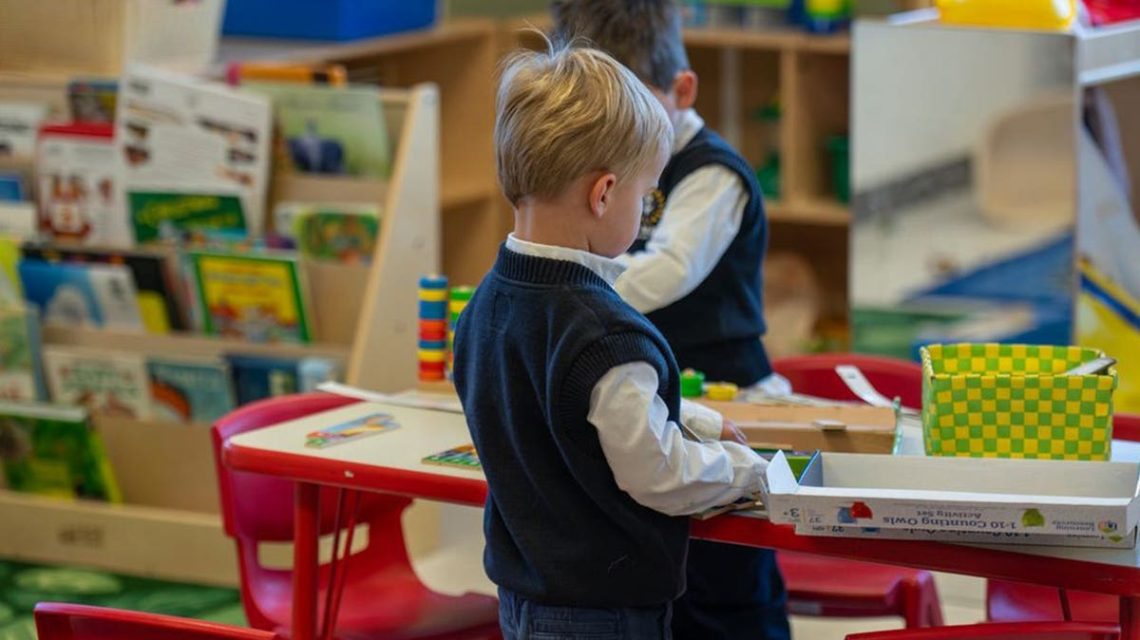
A father in Colorado pays for a Catholic preschool while his taxes support other children’s state-funded educations. His choice stands because one of his children has spina bifida, and the family relies on Colorado’s Medicaid for her care. An additional $6,000 would significantly assist them.
A mother working at a lumber company, married to a seasonal house painter, struggles financially with six children and another on the way. Previously, she believed Catholic education was out of reach.
In Denver, another mother started a florist business to cover tuition costs. Her older children attend a Catholic school, but she cannot afford preschool there. Her youngest attends a Lutheran preschool under the state program.
“I’m choosing a faith,” she notes, adding she feels penalized for this choice. Several families face similar dilemmas due to Colorado’s pre-K rules, said to disadvantage Catholic families.
Steve Moore and Ed Pozzuoli argue that education funds should accompany the child, not the school system.
Another parent accepted a lower-paying job at the parish school for a tuition discount, witnessing families leave due to pre-K costs.
The Supreme Court’s Role
An amicus brief led to the Supreme Court’s involvement in the case St. Mary Catholic Parish v. Roy, scheduled for November 3. Dan and Lisa Sheley, involved parents, have spent extensively on their children’s faith-based preschool, which receives no state support.
Colorado’s universal preschool program intended to assist such families. However, its participation clause on “equal opportunity”—incorporating sexual orientation and gender identity—prevents Catholic schools from partaking without compromising church teachings on marriage and sexuality.
In 1875, James G. Blaine’s proposed amendment barred public funds from sectarian schools, largely targeting Catholic institutions. Though it failed nationally, many states adopted similar provisions, including Colorado, complicating funding for religious schools today.
Eligible four-year-olds in Colorado can receive roughly $6,000 annually for chosen schools. However, the “equal opportunity” requirement sidelines Catholic schools. This echoes historical Blaine amendments, marked by anti-Catholic sentiment.
Current Developments
Recent Supreme Court rulings challenge the Blaine legacy. Cases like Trinity Lutheran (2017) and Espinoza (2020) emphasize that once a state offers public benefits, it shouldn’t disqualify schools based on religious nature. Colorado’s rules echo previous biases without flexibility for Catholic faith views.
In contrast, providers can cater to specific communities, such as children with disabilities or the LGBTQ+ community. However, Catholic schools find no similar leniency. The exclusion has specific impacts: around 1,500 children across 30 schools are affected, causing a 20% preschool enrollment drop and school closures.
The Case’s Implications
The Supreme Court will assess whether Colorado can accommodate Catholic schools in its program. Past rulings, like Masterpiece Cakeshop (2018), criticized Colorado for intolerance, reinforcing that constitutional rights aren’t optional. States offering private education support must not exclude Catholic institutions committed to their faith.
The article concludes that the Blaine amendments represented a regrettable chapter in American law, with efforts now urged to prevent their reemergence.
For more insights from Andrea Picciotti-Bayer, director of the Conscience Project, further information is available on the original site.
 Exploring the Cultural and Economic Impact of Karmel Mall in Minneapolis
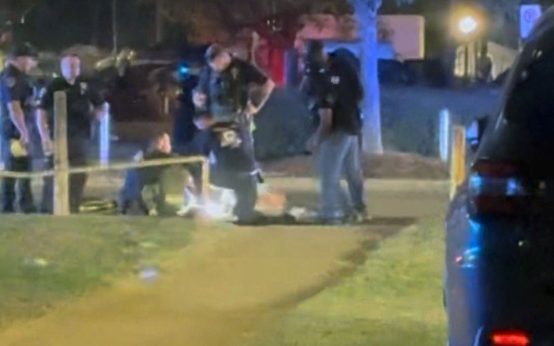 Shooting Incident in Birmingham Following College Football Game
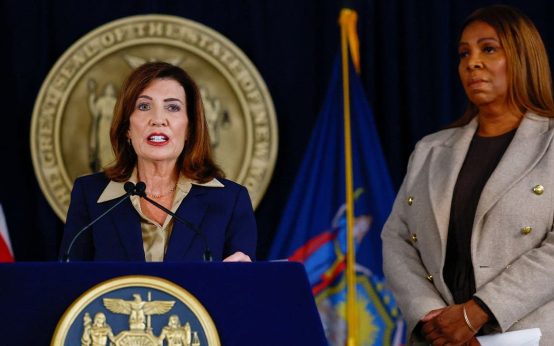 Case Involves Sexual Assault Allegations at Cornell
 Illinois Governor JB Pritzker’s Influence on National Politics
 Economic Concerns in the 2026 Midterm Cycle
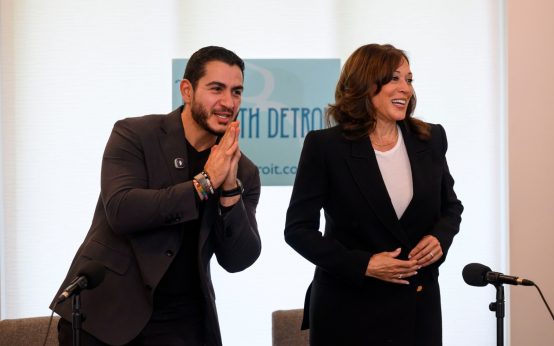 Abdul El-Sayed Faces Challenges in Michigan’s Senate Race