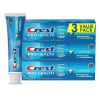
Picking the appropriate toothpaste is crucial for maintaining excellent oral hygiene, but the multitude of choices can make the decision daunting. While all toothpastes are designed to clean teeth, they also target other specific concerns such as sensitivity reduction, whitening, and better gum health.
As someone who has been immersed in oral care reporting for years, collaborating closely with dentists, I’ve gathered insights to help guide you in selecting the ideal toothpaste. Consulting with dental experts has led me to recommend products featuring fluoride from reputable brands like Crest, Colgate, and Sensodyne. Many of these products also bear the American Dental Association’s Seal of Acceptance, a mark of trust endorsed by the NBC Select team who have personally tested several options.
How We Selected the Best Toothpastes
When shopping for toothpaste, experts recommend considering the following factors:
- American Dental Association Seal of Acceptance: This seal is granted to oral care products, including toothpaste, that pass specific safety and efficacy standards. Products with this seal are made with fluoride and do not contain sugar-based flavoring agents that could lead to tooth decay. That being said, toothpaste lacking the ADA seal isn’t necessarily ineffective; rather, the brands may not have chosen to submit them for evaluation.
- Fluoride: Experts unanimously agree on choosing a toothpaste containing fluoride due to its cavity-fighting properties. Sodium fluoride, stannous fluoride, and sodium monofluorophosphate are common types of fluoride listed on ingredient labels, each providing similar benefits.
- Sodium Lauryl Sulfate (SLS): Known as a common ingredient in toothpaste, SLS serves as a detergent offering foamy texture. However, some people may experience sensitivity to it, manifesting as mouth ulcers or gum irritation. If you experience such sensitivity, consider an SLS-free toothpaste.
- Texture: Toothpastes generally are available in gel or paste variants. Gels are smooth and non-abrasive, while pastes are often foamy, thick, and gritty.
- Specialized Options: Beyond basic cavity protection, some toothpastes offer additional benefits such as whitening or enamel repair—always check the packaging or label to align the product with your specific dental needs.
- Flavor: Though a matter of personal preference, ensure your chosen toothpaste doesn’t contain sugar-based flavors that could lead to decay. Opting for ADA-approved options is often the safest bet.
Top Toothpaste Recommendations for 2026
Here are some of our top picks in various categories:
Best for All-Around Protection
This toothpaste not only protects against cavities, gum disease, and enamel erosion but also effectively removes plaque and tartar, making it suitable for sensitive teeth.
Best Basic Toothpaste
Consider this option from Colgate if you’re seeking a straightforward fluoride toothpaste without any specific dental needs. It excels in cavity prevention, cleaning, and breath freshening.
Best for Plaque Removal
Parodontax’s formula is extraordinary for breaking down plaque, an accumulation of bacteria, food particles, and other debris on teeth that can lead to gingivitis and gum issues.
Best Foaming Toothpaste
Colgate’s Total Plaque Pro-Release toothpaste offers antibacterial protection and forms a foam that dissolves plaque, reaching meticulously along the gum line during brushing.
Best for Sensitive Teeth
Sensodyne’s product, noted for containing potassium nitrate, helps soothe sensitivity by calming nerve reactions to hot or cold stimuli in your teeth.
Best Whitening Toothpaste for Sensitive Teeth
Sensodyne also offers a whitening variant that employs potassium nitrate to lessen sensitivity while gently removing stains and strengthening enamel.
Best pH-Balanced Toothpaste
CloSYS’s toothpaste maintains a balanced pH environment to neutralize harmful bacteria, prevent bad breath, and protect enamel.
Best Whitening Toothpaste
Nu Skin’s award-winning formula uses aluminum hydroxide and hydrated silica to effectively reduce surface staining on teeth.
Best Subscription Toothpaste
With Quip’s subscription service, you’ll receive new toothpaste every three months, reducing the hassle of remembering to reorder.
Best Gel Toothpaste
Aim’s gel-based formula offers protection against cavities, acid erosion, and plaque accumulation with a smooth texture that many users find appealing.
Best Natural Toothpaste for Sensitive Teeth
AloeSense offers a natural alternative for those with sensitivity, featuring soothing ingredients like aloe vera and allantoin.
Best Peppermint-Flavored Toothpaste
Burt’s Bees provides a multi-care peppermint-flavored toothpaste that deep cleans while preventing cavities and surface stains using hydrated silica.
Best Toothpaste with Baking Soda
This formula utilizes baking soda to neutralize acids and remove surface stains gently over time.
Best Enamel Repair Toothpaste
Made By Dentists offers a formula that includes hydroxyapatite to remineralize and strengthen enamel, with added benefits of reducing sensitivity with potassium nitrate.
Understanding Common Toothpaste Ingredients
To educate consumers better, we asked experts to explain commonly seen toothpaste ingredients:
Xylitol: A deterrent to cavity formation, it functions as a sugar alcohol that does not contribute to tooth decay.
Hydrated Silica: Provides the slightly gritty texture that helps in plaque removal and surface stain eradication without harming teeth or gums.
Potassium Nitrate: An effective agent found in sensitive teeth products for blocking pain signals from nerves.
Sodium Bicarbonate: Known as baking soda, aids in cleaning off plaque and debris from the teeth surface.
Essential Oils: Oils like thymol and menthol possess antibacterial properties beneficial for reducing plaque and gingivitis.
Zinc Chloride: Also an antimicrobial, it helps prevent gingivitis and reduces tartar buildup.
Humectants: Agents like glycerol work to retain moisture in toothpaste.
Thickening Agents: Natural gums and synthetic cellulose provide stabilization by thickening toothpaste consistency.
Peroxide: Found in whitening toothpastes, they aid in stain removal through hydrogen or carbamide peroxide.
Frequently Asked Questions
Fluoride: Essential for dental health, fluoride aids in combating cavities, enhancing enamel strength, and thwarting acid erosion. Concerns about its toxicity in large quantities are valid but unfounded in regulated amounts within toothpaste. ADA-approved options contain safe and effective fluoride levels.
Types of Fluoride: Stannous fluoride, sodium fluoride, and sodium monofluorophosphate all help in fighting cavities, with stannous fluoride standing out for its added antibacterial properties and plaque control.
Sodium Lauryl Sulfate: Besides being a detergent, SLS contributes to the foamy characteristic of toothpastes, although it could be irritating in sensitive individuals, prompting the choice for SLS-free alternatives.
Charcoal Toothpaste: Despite its popularity, experts advise against charcoal use due to the potential enamel damage it could cause and lack of sufficient evidence supporting its oral benefits.
Natural Toothpaste: While not having a legal definition from the FDA, these toothpastes typically claim to be free from artificial additives. Ensure they contain fluoride for efficacy, and opting for ADA-sealed products is beneficial.
Toothpaste Forms: While tablets exist as solid variants, ADA-approved options are generally gel or paste forms, highlighting the importance of fluoride content.
Kids vs. Adults Toothpaste: Both types are equally effective in cleaning, though adult variants may differ in flavor. Starting kids early with fluoride toothpaste is advised, adapting to adult variants as they age.
Meet the Experts
At NBC Select, our experts like Dr. Lana Rozenberg, Dr. Edmond Hewlett, and Dr. Kate Zoumboukos provide specialized guidance, ensuring our recommendations are reliable and independent. As an associate updates editor, I cover dental care comprehensively, consulting with leading professionals in the field to create informed, trustworthy content for our readers.
 Gene Editing’s Ethical Dilemma and Potential
  The Role of Home in Addressing Children’s Mental Health
  Teens and Distracted Parenting: Impact on Emotional Well-being
  Global Cancer Burden from Infections: Findings for 2024
  Voluntary Recall of Mezzetta Peperoncini Due to Pest Contaminant
  Leila Mirhaydari’s Journey Through Kidney Transplant Challenges