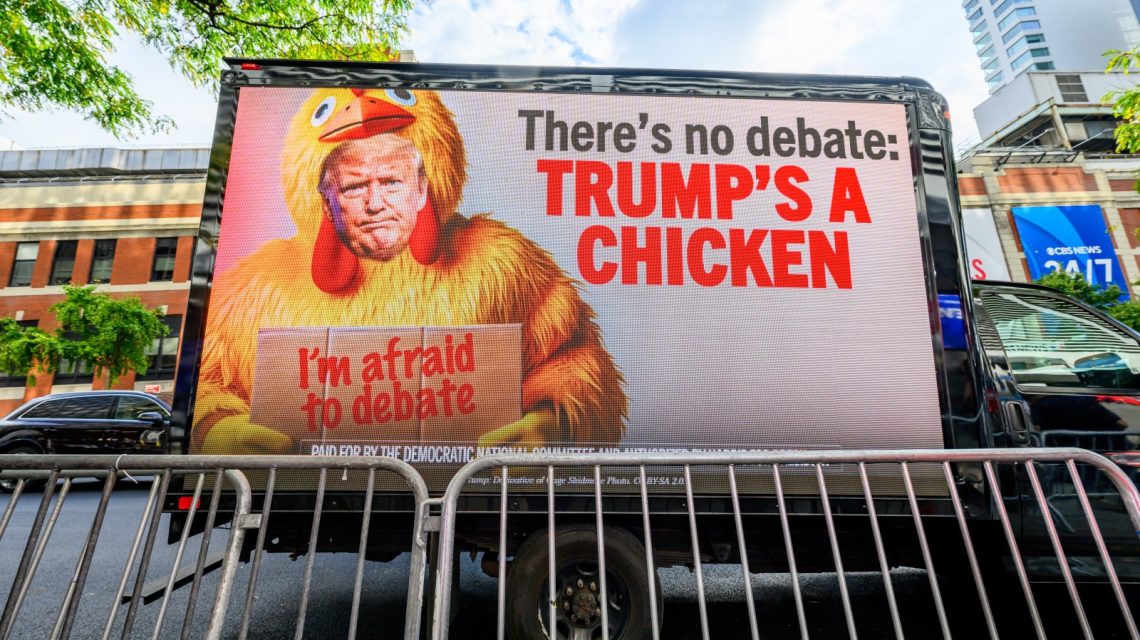
Anthony Constantino faced a unique challenge when his political opponent refused to debate him. Instead of accepting defeat, he devised an unusual alternative. He debated a ‘chicken.’ Of course, it was not a real chicken but a campaign staffer in an inflatable chicken suit, standing alongside a horse skeleton and responding to prerecorded messages from absent Democrat, Blake Gendebien. The event, termed the ‘Pumpkin Rally,’ included a pumpkin wall.
Remarkably, for decades candidates have been incorporating various animals into their campaigns, seeking to gain favor with quirky representations. Animals like rats, bears, pigs, parrots, and even mythical creatures like Bigfoot have featured in candidates’ efforts to capture voters’ attention. In some cases, outrageous allegations arose, such as Bigfoot erotica claims.
Constantino’s bold move might seem frivolous, but humor often plays a crucial role in democratic processes. Even during the Trump era of politics, where mockery seemed pervasive, candidates used humor as a powerful tool. In countries like China, political satire is heavily censored, illustrating the democratic freedom to lampoon opponents.
The Chicken’s Career: A record of failure marks the chicken’s involvement in politics. Since 2014, it has participated in five contests without winning. Notable instances include Democrat Irv Halter facing chicken suits during a debate and Iowa’s Bruce Braley running ads involving baby chicks. Both lost their races.
Unbeaten Animal Campaigns
Remarkably, seven species have perfect records in electoral history.
- In 1966, New York’s Governor Nelson Rockefeller used puppetry with a bass as a spokesperson to highlight environmental plans. He succeeded.
- Sonny Perdue’s 2002 campaign in Georgia depicted Roy Barnes as a menacing rat and achieved victory.
- Carly Fiorina, in 2010, branded Tom Campbell as fiscally conservative in name only with web videos featuring sheep imagery and won.
- In 2014, Joni Ernst used an ad recounting hog castration to target government spending and earned a Senate seat.
- A parrot named Harley helped Tom Cotton defeat Arkansas Democrat Mark Pryor.
- Montana’s Jon Tester shared a screen with a stuffed duck and mounted deer heads to earn reelection.
Bear and Dog Campaigns: The bear holds a mixed record. Democrats used it to portray Lowell Weicker as lethargic. Meanwhile, dogs historically have lost more than they won. Joe Sestak’s memorable cleanup ads featuring Belle ended in defeat.
Other Attempts: From sharks to cows, campaigns have used diverse animals, often unsuccessfully.
Mythical creatures, like Bigfoot, have appeared in campaigns with varying degrees of success. And wolves, thanks to Herschel Walker’s remarks, have recently been considered winners, adding humor to the campaign discourse.
Moving forward to 2026, unpredictable results emerge. John Cornyn’s AI-generated video using a Pomeranian in Texas ended in defeat while Wisconsin’s Steve Doyle’s baby alpaca advertisement held promise. Election outcomes varied, shedding light on sporadic victories and losses.
Overall Record: Out of 34 contests, candidates managed to win 15 and lose 19. Democrats secured slightly more victories than Republicans. In primaries, success remained rare, evidencing the whimsical nature of these campaigns.
Animals continue to feature prominently in quirky political maneuvers. From chickens to alpacas, campaigns seem to delight in using them creatively. Despite mixed results, expect more animal-centric antics in future elections.
 Democrats Take Control of Congress: Key Midterm Election Outcomes
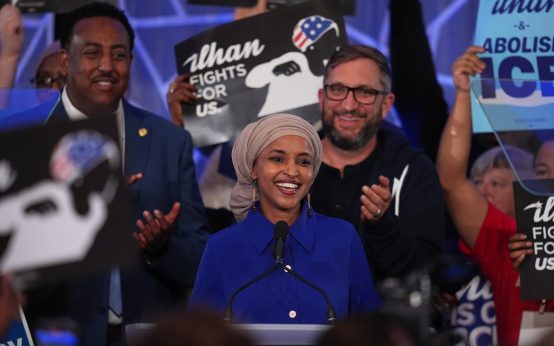 Ilhan Omar Triumphs in Minnesota’s 5th District Amid Controversy
 Democrats Gain Control of Congress: DNC Chair Ken Martin Reacts
 Democrats Achieve Historic Wins in Congress and Governorships
 Building Winning Coalitions in New York Politics
 Challenges and Advocacy in Construction: LIUNA’s Stand