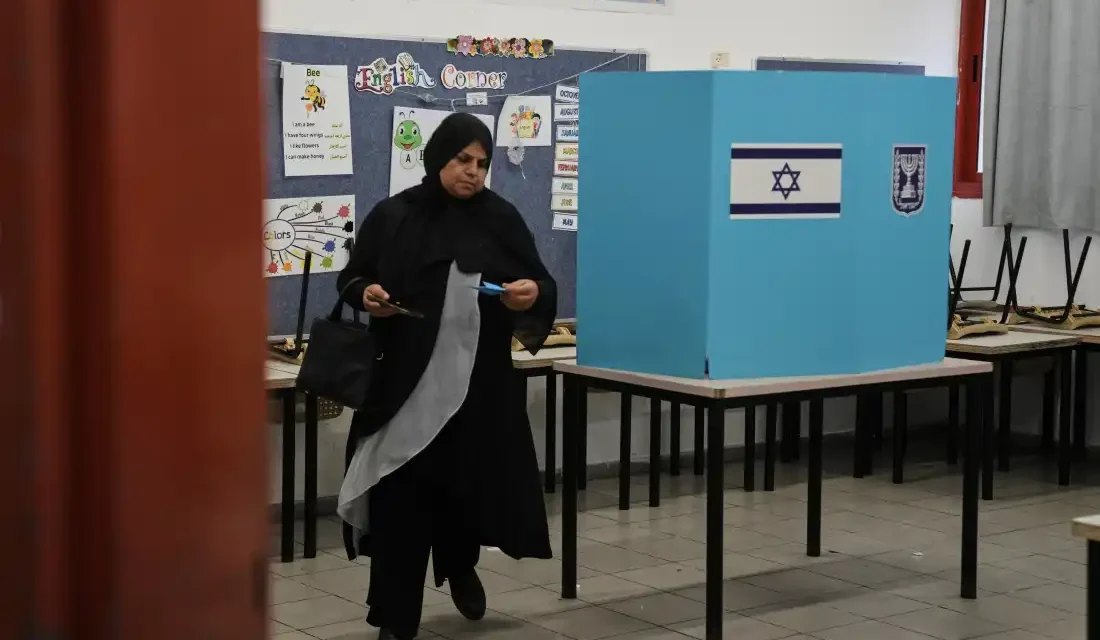
A Palestinian citizen of Israel participates in the general election at a polling station in Umm al-Fahm, signaling a significant shift in the political landscape. Recently, many Palestinian citizens in Israel had avoided voting, citing lack of benefits from engaging in a system perceived as marginalizing their communities. However, the record turnout in the recent elections helped weaken Prime Minister Benjamin Netanyahu’s far-right coalition, allowing Arab-led parties to become influential in Israeli politics.
Empowerment and Political Change
This election saw no clear majority, with neither Netanyahu’s coalition nor Gadi Eisenkot’s center-right opposition achieving the 61 seats needed to govern. Arab-led parties, winning 19 out of 120 seats, now play a pivotal role in coalition negotiations. This development challenges long-standing questions about Israel’s identity and the role of Palestinian Arabs.
A Nation’s Struggle
In Kufr Qasim, Palestinian residents gather to commemorate past violence against their community and mourn current suffering. Discrimination has spiked since attacks led by Hamas on October 7, 2023. Israel’s conflict with Hamas in Gaza has resulted in over 74,000 Palestinian deaths and widespread destruction.
One resident, Intisar Sarsur, notes the necessity of voting due to worsening rights conditions. While sharing traditional Palestinian pastries during the olive harvest, she laments the attacks on this cultural practice by Israeli settlers, reflecting deep-set grievances within the community.
Palestinian citizens, about 20% of Israel’s population, showed a 64% increase in voter turnout. This growth has sparked concern among the political right over perceived threats to Israel’s Jewish character.
Tensions and Political Dynamics
Netanyahu’s party exploited fears of Arab political influence, alleging election misconduct without evidence. These claims are viewed as strategies to block alliances between Eisenkot’s opposition and Arab parties, a potential necessity to form a new government.
Eisenkot, a former military leader, presents a complex prospect for collaboration with Arab parties. Despite being a potential partner, his military history complicates full-fledged alliances with Arab factions, who remain cautious amid ongoing conflicts in Gaza and the West Bank.
Future Implications
The political uncertainty continues, with President Isaac Herzog consulting parties on forming a coalition. If unsuccessful, repeat elections loom. In Kufr Qasim, voter Mansour Shaaban is determined to continue engaging in the electoral process, hopeful for change despite current challenges.
Through increased voter participation, Palestinian citizens demonstrate newfound political leverage. This shift demands acknowledgment from Israel’s right-wing leaders, as the collective voice of Palestinian citizens becomes more influential.
Nuha Musleh contributed to this report.
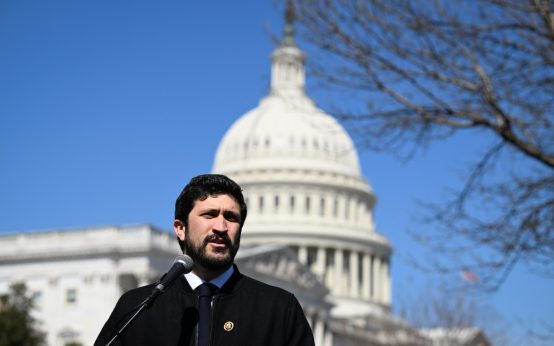 Progressive Strategy in New Democratic House Majority
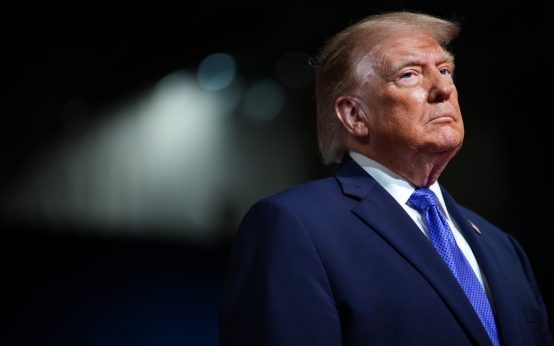 Florida Resists National Democratic Trend in Midterms, Raises Questions for Future Elections
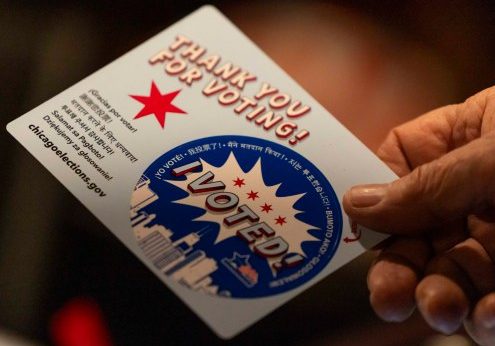 Mike Quigley’s Reelection Victory Over Tommy Hanson
 Tundu Lissu’s Sentencing Raises Concerns Over Opposition Rights in Tanzania
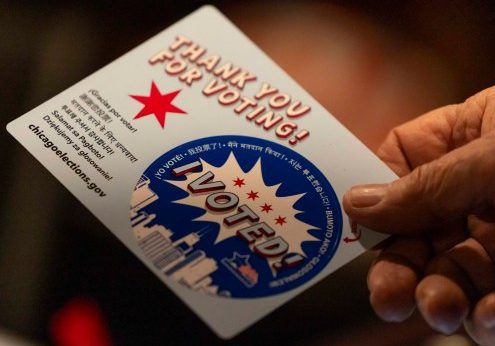 Election Results: Patty Garcia Secures Victory in Illinois’ 4th Congressional District
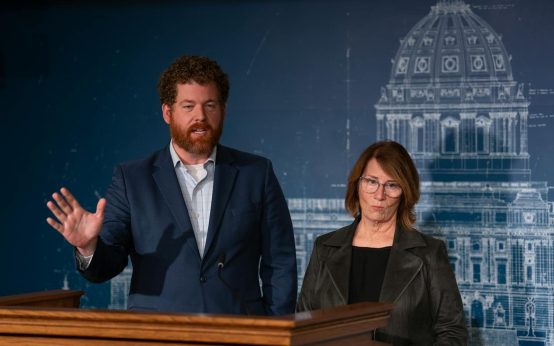 New Leadership Takes Charge in Minnesota Legislature