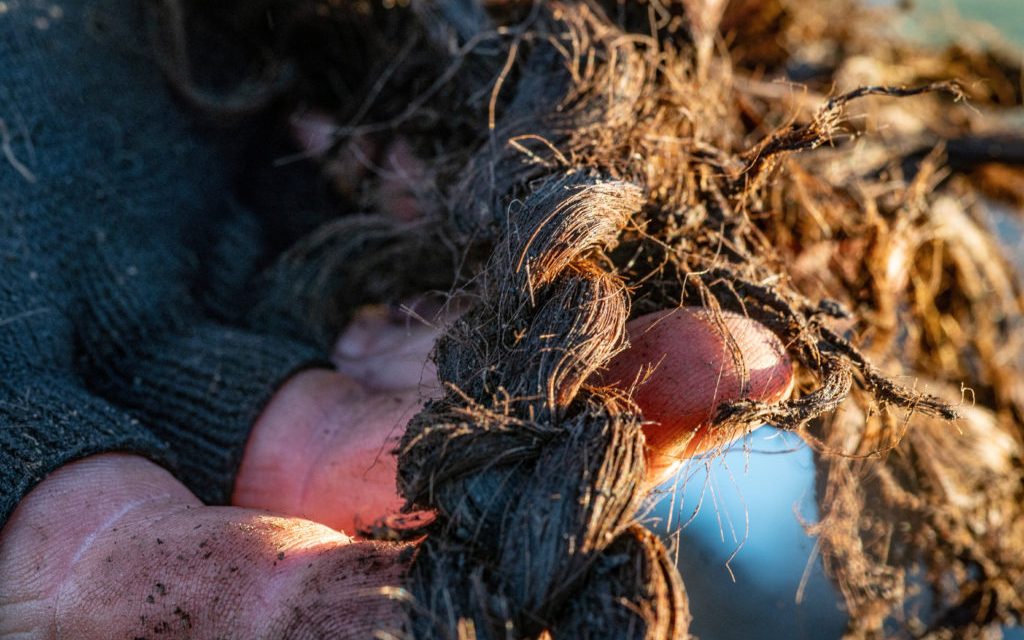
Archaeologists have discovered evidence suggesting that humans may have been consuming cannabis for its psychoactive effects at least 2,800 years ago. This new finding predates the previously known earliest use in China by about 300 years. The study, conducted at a monumental tomb in Siberia, highlights the use of cannabis by ancient societies.
Discoveries in Siberia
The archaeological team from Germany, Russia, Sweden, and Switzerland found both cannabis seeds and human hair with active cannabis compounds preserved in the same royal tomb. According to Gino Caspari, an archaeologist at the University of Bern, these findings are rare and significant. The actual method of consumption, whether inhaled or ingested, is still unclear.
The dig at the Tunnug 1 site, located in the Uyuk Valley of southern Siberia, began in 2017. The tomb, associated with the Scythians, reflects the material culture of these ancient nomads who migrated across Central Asia. Here, larger artifacts such as weapons, horse gear, and animal-style motifs were discovered alongside cannabis seeds, suggesting the plant’s importance within the community.
Challenges and Methods
The team faced harsh conditions while conducting the dig, residing in tents for months through various weather challenges. They found over 1,000 cannabis seeds, which were dated using radiocarbon methods, confirming their age and deliberate placement in the tomb.
Debate Among Experts
Volker Auwaerter, head of the forensic toxicology section at the University Medical Center in Freiburg, Germany, criticized the study’s scientific rigor. He noted that the evidence could not conclusively determine if the cannabis was consumed or simply coincidentally present in the burial site. He recommended additional forensic toxicology tests to strengthen the claims.
In contrast, Elisa Guerra Doce, a scholar of consciousness-altering substances in European prehistory, praised the study’s methodology. She believed that the team’s approach demonstrated that cannabis was consumed rather than merely being a funerary offering.
These findings were published in the journal Science, sparking new discussions about the role of cannabis in ancient ceremonies and society.
Support trusted journalism as it is essential for a healthy democracy and civil dialogue.
 Democratic Candidate Scott Colom Engages Voters Outside Trump Rally
 Ancient Cannabis Use Traced Back 2,800 Years
 Discovery of a Giant Prehistoric Rodent in Southern Thailand
 Swift Observatory’s Final Journey Ends in Earth’s Atmosphere
 Coastal Flooding Highlights El Niño’s Impact on Southern California
 Radiation Risks for Satellites as Solar Storms Breach Boundary