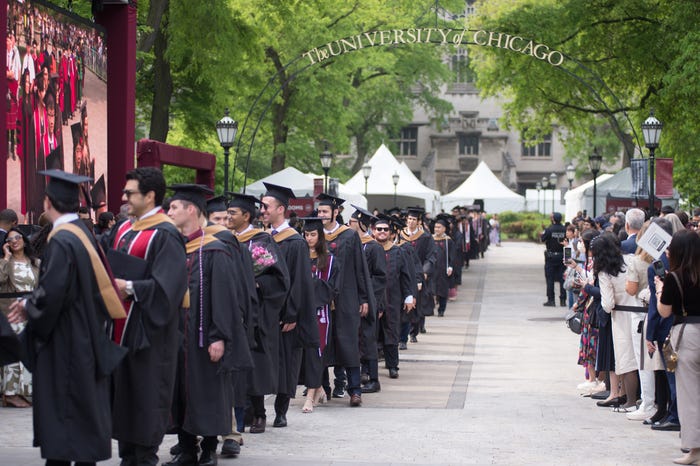
A prominent math professor at the University of Chicago believes AI is reshaping hiring practices in academia. The technology is lowering barriers to mathematical discovery, prompting changes in how researchers are selected.
Professor Frank Calegari emphasizes the need for personal narratives in hiring. He looks for candidates who can articulate where they want mathematics to lead and explain how their goals are achievable. Calegari is concerned that low-level academic positions might be filled by individuals relying on AI-generated proofs.
A simple 30-minute discussion can identify those with genuine talent and vision. According to Calegari, the hiring process should focus more on personal interactions rather than relying on published papers, which could be AI-created.
Calegari criticizes committees that make hiring decisions based on single publications, often suspecting AI involvement. He stresses the importance of training graduate students to communicate mathematical concepts effectively.
Cornell professor Steven Strogatz noted the growing value of charismatic mathematicians who can interpret AI-generated results and pose new questions. The influx of AI in mathematics has left many in the field pondering its relevance as AI outputs numerous solutions to complex problems.
While some professors have distanced themselves from AI, most are finding ways to integrate it into their research. Students, meanwhile, are navigating how to adapt, calling for clear guidelines on AI usage from their professors.
An MIT survey reflects this sentiment, with students expressing frustration over the lack of leadership in the academic community regarding AI integration.
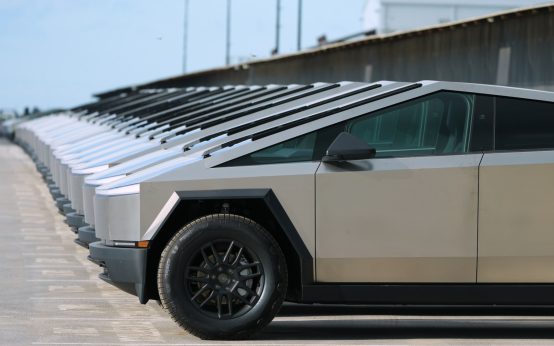 Tesla to Discontinue Cybertruck Production Amid Growing Challenges
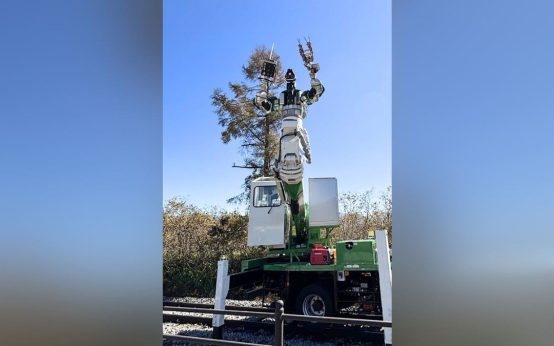 Transformation: AI Changes What Robots Can Accomplish
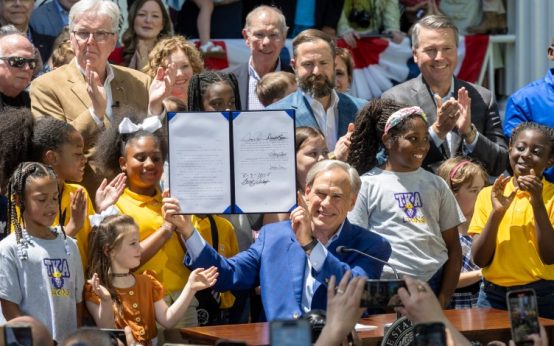 Shift in Texas Education Policies Sparks Debate
 School Honors Custodian Marilyn Hampton by Naming New Facility After Her
 The Future of Lithium Production in the U.S.
 AI Developments and Political Impacts in Recent News