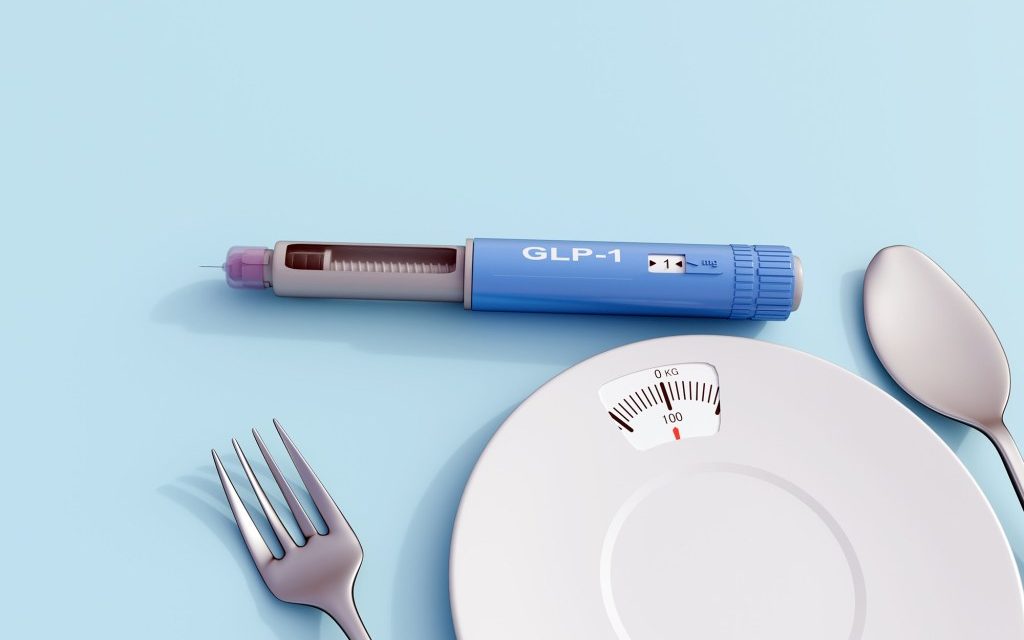
Today’s bathroom vanities hold more than towels and toiletries. You might find a small refrigerator for medication, drawers for syringes, and compartments for used-needle disposal. With 21% of U.S. households now including a GLP-1 user, up from 9% in January 2025 according to PwC, homes are adapting. The surge in injectable medications highlights an often-overlooked domestic issue: trash management.
Sanitation workers in New York City report increased needlestick injuries, an unintended consequence of the growing use of such medications. Although the Department of Sanitation recognizes the rise in injectables as a factor, it doesn’t track needle types. On November 9, the city will more than double fines for improperly discarded medical waste, sparking debate among property owners who say they lack control over tenant behavior.
The Home Adjusts to New Appetites
GLP-1 medications are known for reducing ‘food noise’—persistent thoughts about food. As focus shifts, grocery spending among GLP-1 users has dropped by 5.5% as they opt for healthier options. Accordingly, demand for large kitchens and extensive storage is waning. Tammy Crosby, CEO of The House Designers, notes a trend toward compact and efficient kitchen designs.
Recent kitchen trends emphasize hidden and seamless designs. NKBA’s 2027 report shows 81% of professionals favor dividing kitchens into functional zones, while 85% say cabinetry now conceals appliances. This aligns with the quieter approach GLP-1s bring to food thoughts.
Medicine Storage and Bathroom Design
The NKBA’s 2026 Bath Trends Report indicates 72% of professionals expect bathrooms to become wellness spaces with efficient storage. Custom vanities might include compartments for medications, though Crosby warns against assuming a widespread demand for bathroom refrigerators.
A Hazardous Waste Issue
While GLP-1s have calmed food noise, improperly discarded needles have heightened risks for sanitation workers, with needlestick injuries in New York City tripling since 2023. In October alone, there have been 69 injuries. Sanitation worker Nicholas Derenzi recounts an injury in 2020 that led to hospital treatment.
New regulations on November 9 will increase improper disposal fines from $100 to $250, but property owners resist. They argue they can’t control tenant or passerby behavior. DSNY insists property owners must ensure correct waste disposal, including using proper containers for sharp objects.
DSNY continues to reduce direct contact with garbage through mechanized collection, yet stresses the importance of safe disposal at homes. Residents must use ‘sharps’ containers for needles and can bring them to designated locations. Properly sealed and labeled containers can also go into regular trash. The initiative aims for safer waste management practices and reduced injuries.
 Early Bedtime Linked to Weight Loss in Prediabetes
 Revisiting Medical Aid in Dying in Minnesota
 Impact of Fake Smiles on Happiness
 Democratic Doctors and Scientists Enter Congress with New Agendas
 A Mother’s Journey with Her Newborn Son
 Experimental Heart Drug Fails to Meet Expectations in Crucial Study