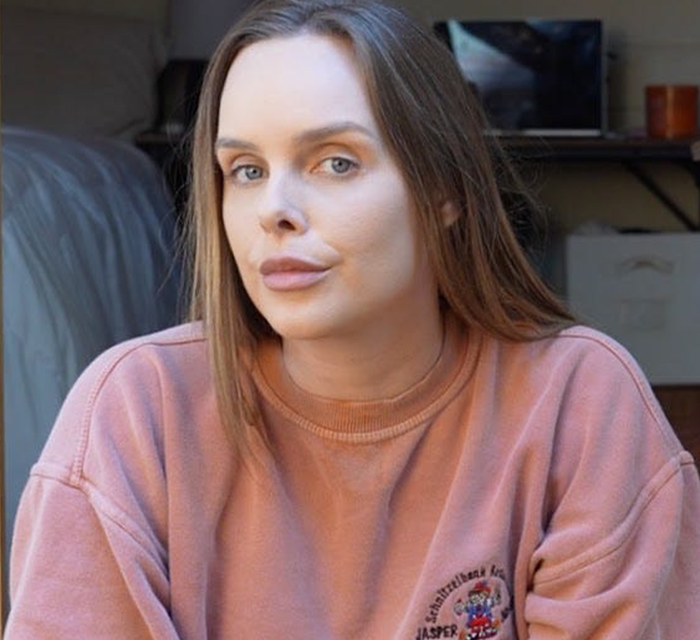
Lauren Patton, at 36, made a significant life change by moving into a tiny home in her backyard in Texas. This decision stemmed from a challenging phase after returning to Texas from Chicago in 2022. Amid a booming real estate market, she purchased a small bungalow, with two bedrooms and approximately 1,000 square feet, for $400,000. As a single homebuyer, her initial $4,000 monthly mortgage seemed manageable due to her flourishing career in tech.
In early 2023, however, widespread layoffs in the tech industry cost Lauren her job. After a short period of severance, she faced financial difficulties. Despite looking for new employment, her savings dwindled, and credit card debt mounted. She eventually sought unemployment benefits and began renting her home on Airbnb while residing in a rented room. This brought some relief until the unemployment benefits expired, necessitating odd jobs, like driving for Lyft and couch surfing.
In 2024, an opportunity to return to her previous accounting job arose. While it paid less, it provided temporary stability. Nevertheless, her mortgage was burdensome, with the home underwater by 30% due to depreciation. Facing foreclosure concerns, Lauren sought a creative solution.
Building A Backyard Refuge
Realizing a need for change, Lauren decided to build a tiny home in her backyard. Lacking confidence in carpentry, she purchased a $8,500 cabin-style shed kit. During its construction, she returned to her main house and found a roommate, renting a room for $1,200 per month to help offset the mortgage.
The shed, about 100 square feet, required further enhancements to be livable. Lauren took the initiative to add a foundation, a floor, and an outhouse with an outdoor shower, relying on YouTube and ChatGPT for guidance, albeit with some challenges.
Financial Strategy and Lessons Learned
By March 2025, Lauren completed the tiny home. The arrangement allowed her to rent out her main home full-time on Airbnb. Weekend rates reached around $200 per night, while weekday rates were about $125. During peak times, such as the Austin City Limits music festival, occupancy and income soared significantly, although service fees and cleaning costs affected net earnings.
Despite these efforts, Airbnb’s income did not fully cover the heightened mortgage costs, particularly with an insurance increase. Living in the tiny home demanded significant adjustments. Without running water and limited space, Lauren had to adapt, including constantly managing necessary supplies and employing a dehumidifier to offset humidity from a portable air conditioner.
Navigating Challenges and Future Plans
Embracing minimalism, Lauren learned invaluable lessons about financial risk, the realities of homeownership, and self-reliance. This experience clarified the importance of not exceeding one’s financial limits and considering worst-case scenarios.
Gaining social media attention, Lauren’s story attracted approximately 12,000 new followers on Instagram. She plans to leverage this platform while pursuing a data analytics project and dog walking to improve her situation.
Looking forward, Lauren aspires to move back into her main house, potentially offering the tiny home as affordable housing, and aims to assist those experiencing similar hardships.
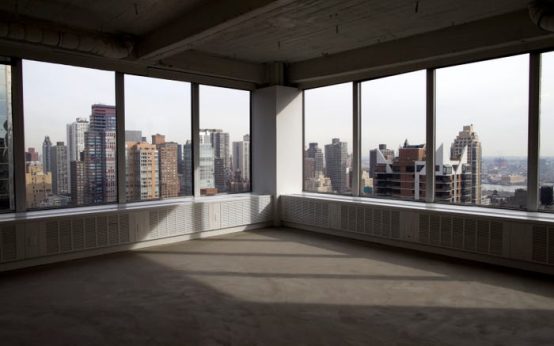 Challenges in the US Office Market Amid Rising Interest Rates
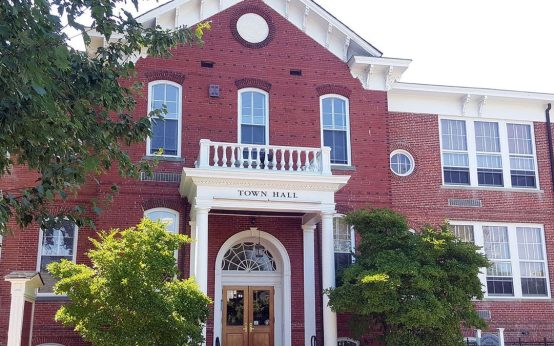 New Jersey Township Faces Backlash Over $26 Million Theft Disclosure
 AI and Mobile Tech Fueling Gambling Crisis in America
 Cyclist Fatality in North Carolina Hit-and-Run Incident
 Raising Children in the Hamptons: Emphasizing Values Over Wealth
 Brooklyn Woman’s Murder: Suspect Arrested