
“I want separate bedrooms,” I said to Michael, attempting a casual tone. I explained that it wasn’t personal, just practical since I was a light sleeper. Michael, however, seemed troubled by the idea. Little did I know, it might have been a dealbreaker.
Michael, an Air Force veteran and former fire chief, and I met at a 55+ senior living community. We enjoyed themed dress-up parties together. Our first was a Gatsby-themed event, and we embraced the characters fully, cheered by fellow residents. With each party, our connection grew stronger, leading to nights spent at each other’s apartments.
Those sleepovers reinforced my desire to sleep solo. Michael’s snoring and my self-consciousness about my CPAP mask made nights restless. I often woke up exhausted. Despite enjoying Michael’s company, I valued having my own sleeping space. For years, I had been content sleeping alone, and the idea of sharing felt like losing a part of my routine.
Two years later, while planning costumes for a western-themed party, we discussed marriage and buying a home. I hoped for a compromise on sleeping arrangements, but Michael felt sharing a bedroom represented a key aspect of marriage. To him, separate rooms suggested rejection and a lack of intimacy.
I cited evidence in defense. A 2025 survey by the American Academy of Sleep Medicine found that nearly one-third of US adults preferred sleeping separately. Even Cameron Diaz once said, “We should normalize separate bedrooms.” But Michael focused on our relationship, not celebrity trends.
As we got married and searched for a house, I envisioned us sharing a bedroom, which surprised me. After finding a home, I faced a health scare, a condition causing a heart rate spike and weakness. Michael insisted on staying with me, leading to our first shared bedroom experience without a formal discussion.
Michael’s presence during recovery was comforting. Despite a few nighttime hallway collisions, we discovered that side sleeping reduced his snoring. Mayo Clinic experts appreciate side sleeping for keeping airways open. Michael valued the sleep research and proudly informed me of his new knowledge.
Once I healed, Michael continued staying over, and we adapted to a shared routine. Sleep masks became part of our nights; love notes greeted me in early morning scrolling sessions. Feeling secure with Michael altered my perspective on shared sleeping arrangements, which began feeling more natural.
By the time we moved into our new home, I embraced sharing our space. The tranquility of bedtime, with my CPAP humming in a dark room, felt peaceful. Sharing a bedroom became a matter of trust and intimacy, inviting Michael into my private world.
In the end, my affection for Michael surpassed the need for separate bedrooms.
Monica Romano, a freelance writer from Bellingham, Washington, shares stories on food, health, and travel. This essay touches on relationships and personal growth.
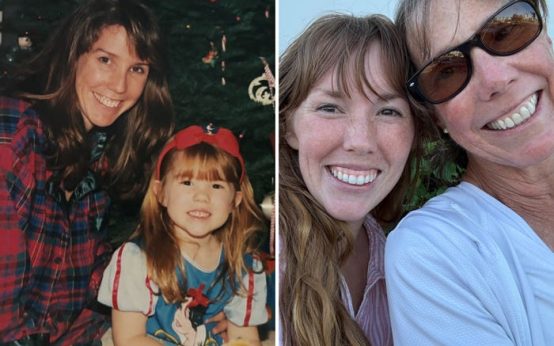 A Mother’s Natural Approach to Aging
 Florence Meiler: A Record-Breaking Journey
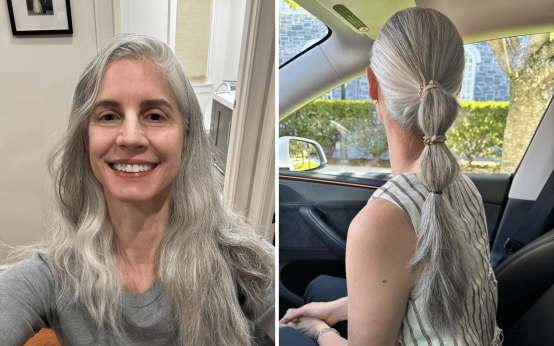 Embracing Gray Hair and the Journey of Self-Acceptance
 Celebrity-Approved Fall Fashion Finds from $31
 Decorating a New Home with Wayfair’s Early Black Friday Deals
 Essential Packing Tips for a Smooth Cruise Experience