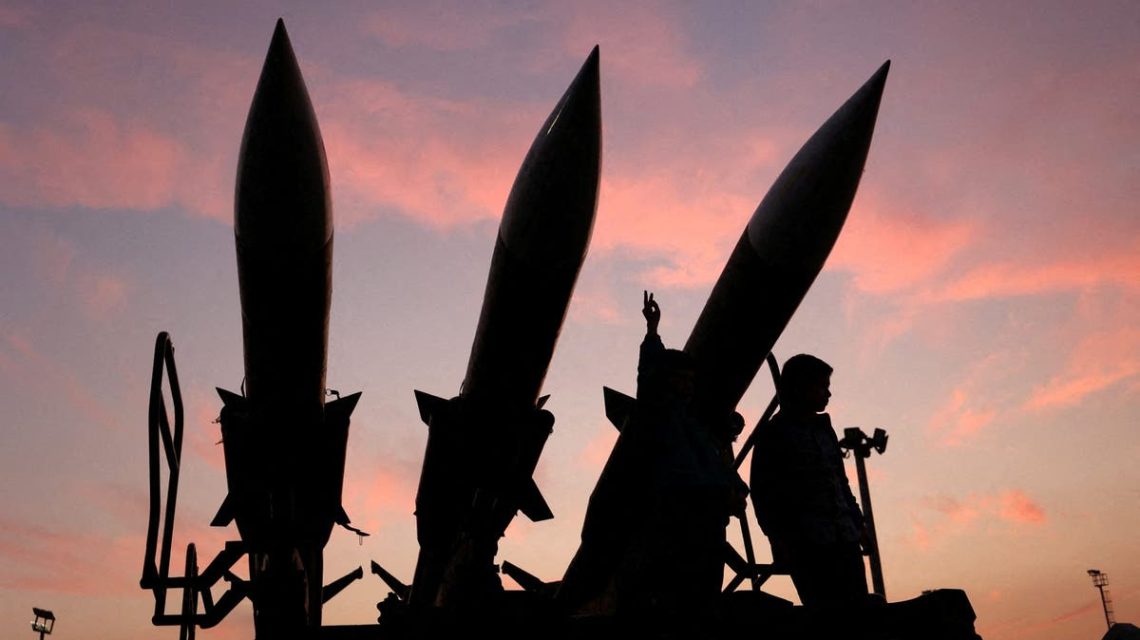
Iran has lifted its self-imposed limit on ballistic missile range, threatening the introduction of new weapons. This move follows the U.S. military’s initiation of a task force aimed at disrupting Tehran’s weapons shipments.
According to Brig. Gen. Hossein Mohebbi of the Islamic Revolutionary Guard Corps (IRGC), Iran will no longer adhere to a 2,000-kilometer missile range restriction. This announcement coincides with the U.S. Central Command’s creation of Task Force Iron Gate. This initiative targets the movement of advanced Iranian weapons systems and illicit revenue.
Adm. Brad Cooper, commander of U.S. Central Command, stated that strengthening collaboration with U.S. partners will constrain Iran’s ability to finance terrorism and replenish military resources. Behnam Taleblu of the Foundation for Defense of Democracies suggested the U.S. may use targeted strikes and political pressure to address the issue.
Despite these efforts, Iran’s IRGC dismissed the initiative, declaring preparedness for additional pressures. Mohebbi warned of developing new weapons for potential confrontations with the U.S. and Israel. He mentioned surprises that could cause significant damage if conflict arises again.
Iran’s earlier missile range already encompassed key regions, and an attempt to strike a joint U.S.-British base further emphasized its military reach. Mohebbi hinted at unveiling underground missile facilities, known as “missile cities,” to safeguard weapons production.
Mohebbi highlighted Iran’s self-sufficiency in weapons production, attributing this to domestic expertise without reliance on foreign imports. Taleblu noted the significance of the Caspian Sea, identifying it as a hub for Iran and Russia’s trade activities. Domestically constrained missile production has led to increased import reliance to rebuild capabilities.
Washington has ramped up pressure on Iran’s trade routes, especially land crossings with Iraq. Despite U.S. demands, Iraq has closed only one border crossing, with further pressure expected to restrict trade. The U.S. Treasury urged Iraq to close all crossings except two, aiming to increase economic pressure on Tehran.
Iranian officials have responded by attempting to negotiate reopening of closed routes. The response from Iraq reflects an attempt to balance relations between Washington and Iranian-backed factions.
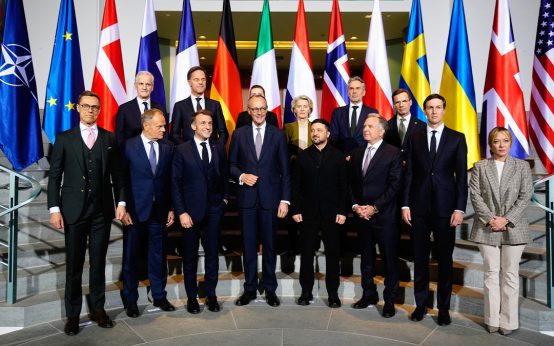 Trump’s Efforts in Negotiating Peace in the Russia-Ukraine War
 Infant’s Remains Found in Freezer Spark Investigation in Spain
 UFC CEO Dana White and President Trump’s Video Controversy
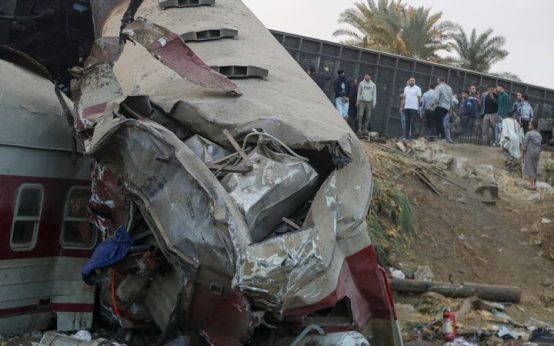 Fatal Train Collision in Giza Province, Egypt
 Tragic Shooting in Krakow Leaves Six Dead and Sparks National Mourning
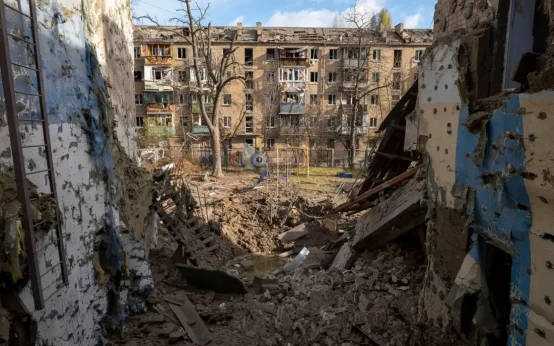 European Officials to Attend U.S.-Mediated Peace Talks