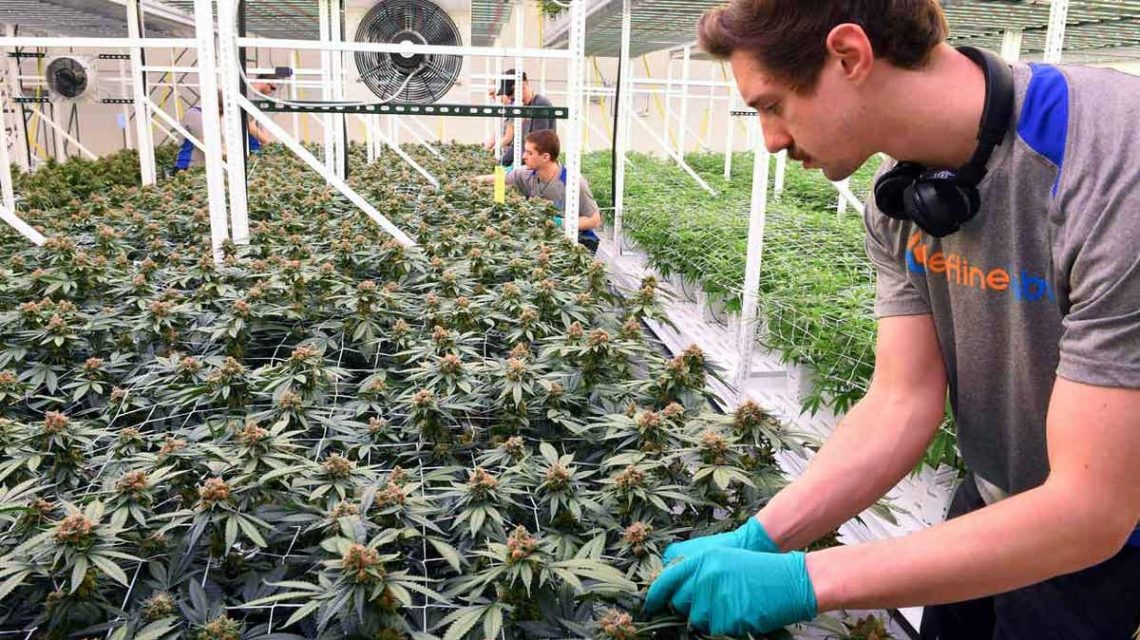
The editorial board of The New York Times has recently revisited its previous viewpoints on the legalization of marijuana and its potential addiction issues. In a piece titled “It’s Time for America to Admit That It Has a Marijuana Problem,” the board, which has historically been in favor of legalizing marijuana, acknowledged the need to reassess its earlier stance.
Reflecting on prior assertions from its 2014 series, the Times noted, “Much of what we wrote then holds up — but not all of it does.” At that time, comparisons were drawn between federal bans on marijuana and the prohibition of alcohol, with a strong push to repeal the ban on marijuana.
At the time, supporters of legalization predicted that it would bring few downsides. We described marijuana addiction and dependence as ‘relatively minor problems.’ Many advocates went further, claiming marijuana as a harmless drug that might bring net health benefits and minimal increased use.
However, contemporary insights have revealed that many earlier predictions about minimal adverse effects were inaccurate. The Times highlighted data from the National Survey on Drug Use and Health, indicating a substantial rise in marijuana use—an escalation from nearly 6 million regular users in 2012 to about 18 million today.
This increased consumption has been linked to a growth in addiction and related issues. Notably, almost 2.8 million individuals in the U.S. suffer annually from cannabinoid hyperemesis syndrome, which causes severe vomiting and stomach pain. Moreover, there has been an upsurge in hospital cases linked to marijuana-induced paranoia and chronic psychotic conditions.
While acknowledging the negative impacts, the editorial board believes that reverting to prohibition is not the solution. Such measures disproportionately affected Black, Latino, and poor communities. They argue that a society allowing adults to use alcohol and tobacco cannot justify arresting individuals for marijuana use.
They expressed opposition to any efforts to re-criminalize marijuana, such as an upcoming potential ballot initiative in Massachusetts that could ban recreational sales and home growing. The key, according to the Times, lies in finding a balance between criminal prohibition and commercial legalization.
The board argued that a more regulated approach is needed. Many individuals face worsened circumstances with frequent marijuana use, and it’s critical to recognize this reality and adjust policies accordingly.
In conclusion, the editorial suggests that the outcome of relaxed marijuana policies has been more detrimental than anticipated, thus an adjustment in approach and regulation is necessary moving forward.
 Understanding and Addressing the Complexity of Suicide
  Recall of Meat Products from Star Meat Delivery Inc.
  Questions Arise After Presley Gerber’s Death in Rehab
  Upcoming Concerns and Influence in Health Politics
  Fraud Task Force Saves Billions by Tackling Obamacare Misuse
  Presley Gerber’s Passing Raises Addiction Recovery Concerns