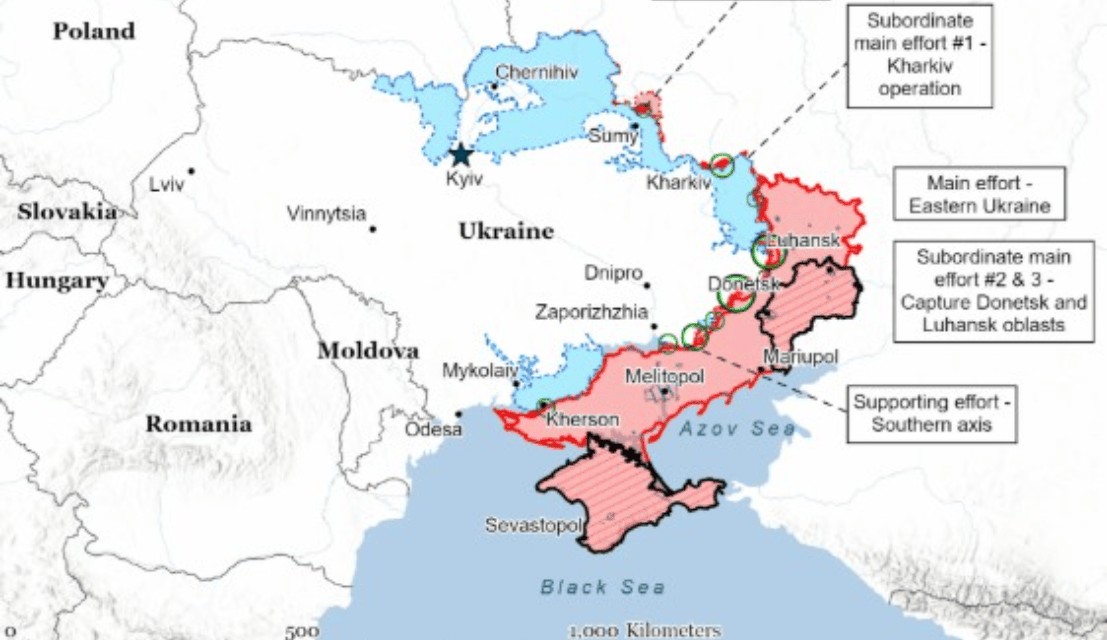
Recent updates reveal little change in the Russia-Ukraine frontline from May to November. This comes after the Abu Dhabi talks failed to deliver a diplomatic breakthrough. The discussions occurred six months after President Vladimir Putin hinted at an end to the Ukraine conflict.
In Moscow, the scaled-back World War Two celebrations on May 9 saw Putin state his belief in an imminent resolution. He proposed negotiating new security arrangements in Europe.
However, after half a decade of conflict, both the frontline and diplomatic progress remain stagnant. In the first negotiations since February, Russian and Ukrainian representatives agreed on a large-scale prisoner exchange. U.S. envoys Jared Kushner and Steve Witkoff plan meetings with Putin in Moscow, yet disagreements persist about Ukraine’s withdrawal from Donbas, a condition Kyiv finds unacceptable.
Mark Temnycky, a nonresident fellow at the Atlantic Council’s Eurasia Center, noted, “Russia continues to demand Ukrainian land it has not captured.” The think tank’s maps from May and November illustrate the slow-changing frontline.
Ukraine initiated “Operation Vivaldi” in May, targeting a Russian salient north of Lyman in Donetsk Oblast, halting Moscow’s attempted encirclement of fortified cities. By late 2026, Ukraine achieved net territorial gains in several months, including February, May, and October, contrasting with significant Russian troop losses.
Military analyst Giorgi Revishvili pointed out Russia’s failed military goals, such as capturing Donbas entirely by year-end. An insistence on unrealistic objectives paired with a misreading of battlefield conditions partly explains these setbacks.
Ukrainian offensives thwarted Russian advances into the Dnipropetrovsk region, dismantling a strategic Russian salient threatening the Fortress Belt.
Revishvili highlighted Ukraine’s focus on controlling operational depth, pressuring Russian forces by targeting supply chains and military infrastructure. Such strategies have disrupted logistics, reduced command capabilities, and limited Russian offensives.
Outcome of Abu Dhabi Talks and Future Steps
Rustem Umerov, leading the Ukrainian team, reported an agreement on a new prisoner exchange and steps towards peace and reconstruction. Nonetheless, differences persist.
Temnycky remarked that the talks achieved what could be reasonably expected. He emphasized the importance of the prisoner exchange to Ukrainian families, proving that negotiation channels still facilitate humanitarian outcomes.
Kyiv hopes for ceasefires in maritime and energy sectors, aspiring towards a high-level peace summit. Upcoming meetings between U.S. representatives and Russian and Ukrainian leaders could be crucial.
Temnycky concluded that should Russia offer no new concessions, the U.S. faces a decision either to continue fruitless talks or to increase pressure on Russia’s uncompromising stance.
For more details, contact Newsweek editors Matthew Cannon and Trevor Davies.
 The Sinking of the SS United States: Transformation into an Artificial Reef and Economic Potential
 Pope Leo XIV Returns to Peru in Celebrated Homecoming
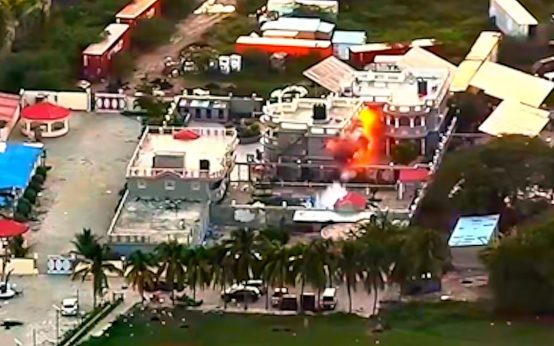 El Salvador’s Military Supports Haiti’s Effort Against Gangs
 Details of Alice Huang’s Alleged Activities and Connections
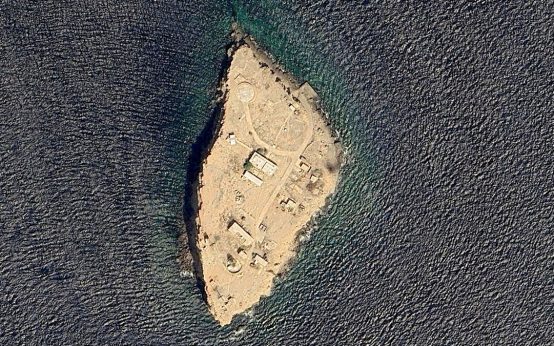 Iran Strikes Omani Island Affecting Oil Navigation
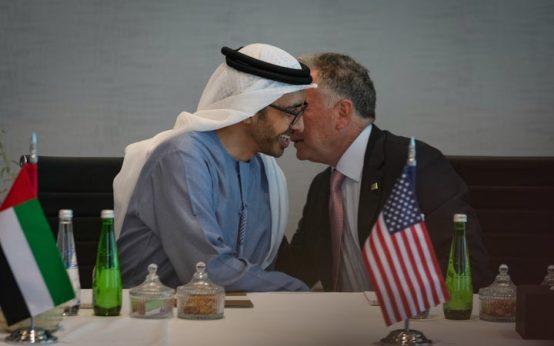 Russia and Ukraine Agree to Major Prisoner Exchange Amid Ongoing Conflict