Global climate summits, known for their ambitious goals, have stumbled in delivering concrete actions. Developed nations face fiscal challenges, leading many to withdraw from climate funding commitments to developing nations. Although appeals for justice are strong, actions lag.
For developing nations, recent events in the Strait of Hormuz signify a turning point. An example is Indonesia, with nearly 300 million residents, which relies heavily on Middle Eastern oil and gas imports—60% of its crude oil and a third of its gas before the crisis. The crisis has highlighted the costs of fossil fuel dependency. Concurrently, rising sea levels and wildfires, intensified by a strong El Niño, emphasize the cost of inaction.
For years, climate agreements have suffered from a classic conundrum. Nations prioritize cheap fossil fuels for economic reasons, detrimental to global well-being. The Hormuz crisis has changed the perspective. Continuing fossil fuel dependency is financially unsustainable. Renewable energy now aligns with national economic interests and security.
Although renewables have dropped in price, transforming energy systems and retiring fossil infrastructure remain costly. Developing nations face challenges balancing new energy investments with pressing needs like poverty reduction and development, which still rely on affordable energy.
The magnitude of current challenges highlights the COP process’s limitations. Even with full adherence, donor aid and development banks cannot meet the required $1.3 trillion annually by 2035 for developing nations. The private sector must contribute, but financing in these countries is significantly costlier, creating a prohibitive environment.
Investment risks in developing nations are overestimated while risks of non-investment are overlooked. A revamp of the global financial system is necessary but time-consuming—time that is scarce.
Developing countries now contribute over half of global emissions, with figures rising. In the current geopolitical climate, larger economies in these regions must self-mobilize funds. Indonesia has pledged $1 billion to the Tropical Forests Forever Facility, attracting private capital to safeguard tropical forests. Further initiatives are needed to maximize financial resources.
In Indonesia, the sovereign wealth fund Danantara, established in 2025, consolidates nearly $1 trillion in state-owned assets to support energy transition efforts. Aiming to construct 100GW of solar power, Danantara facilitates necessary investment, including projects turning municipal waste into electricity. Doubts about our ambitions’ feasibility persist, but these investments are crucial for a green transition that satisfies our people’s aspirations.
In December, Danantara will anchor investments at the New Asia Forum, leveraging public capital to entice private investments in Southeast Asia’s clean energy market, mitigating risks for international investors. It’s about creating financeable conditions for energy transitions in developing nations.
While wealthy nations maintain responsibility, financial grants and concessional funds must prioritize areas where market funding fails, like climate change protection. For instance, flood drainage improvements in Semarang can safeguard communities but offer little financial return. Indonesia taps into its financial health, but smaller nations lack this capability, making concessional support vital.
The developed world must honor Belém’s call to triple adaptation finance by 2035. However, developing nations can’t pause their citizens’ aspirations or climate action while waiting for global financial reform. Both must advance simultaneously.
 Microplastics in Everyday Products
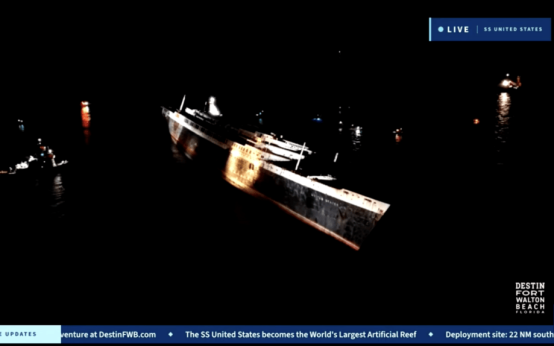 SS United States Transformed Into Artificial Reef
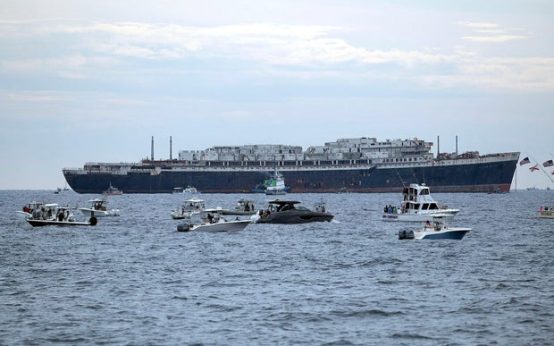 Historic Ocean Liner SS United States Transformed into Artificial Reef
 Pumpkin Smash Event Combines Fun and Environmental Benefits
 Grizzly Bears Identified in Fatal Canada Attack
 Governor Newsom to Attend UN Climate Conference in Turkey