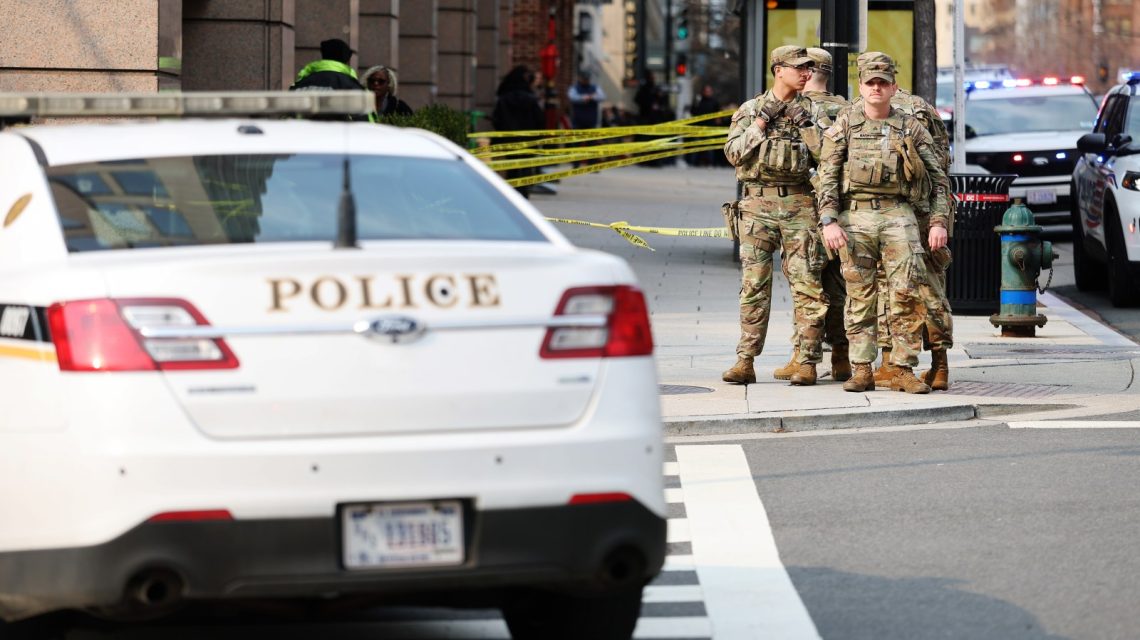
The United States is experiencing its largest military conflict since the Iraq War. A recent survey by the Institute for Global Affairs at Eurasia Group indicates that twice as many Americans believe the Iran war has made the U.S. less safe compared to those who think it has made the country safer. Concerns are mounting as security officials warn of increased threats from Iran within the U.S.
City leaders play a crucial role in defense on home soil, amid fears that systems established post-9/11 to detect and address potential attacks may not be working efficiently. The timing is challenging; major U.S. cities like Atlanta, Boston, Dallas, Kansas City, and Philadelphia are preparing to host FIFA World Cup matches. Additionally, communities nationwide are gearing up for America’s 250th anniversary celebrations, putting public safety systems under pressure even in usual conditions.
Experts have outlined potential responses from Iran to U.S. actions. These include retaliatory attacks on U.S. regional assets, proxy attacks on American interests abroad, economic disruptions, and threats to U.S. soil. Fortunately, a mass-casualty attack on U.S. soil has not occurred. However, the threats now include disinformation campaigns, cyberattacks on infrastructure, lone actors radicalized online, operatives for hire, links to criminal networks, and embedded covert agents.
The management of these risks relies on cooperation between federal, state, and city officials in security partnerships developed over decades. Following September 11, agencies like the National Counterterrorism Center, Department of Homeland Security, and FBI revamped their collaborations with state and local authorities. These federal entities assess threats and produce intelligence, while local officials act on this information and contribute their insights back into the system.
This model has been successful, helping prevent large-scale terrorist attacks on U.S. cities since September 11. Yet, this system depends on seamless operation from both federal and local levels. When disruptions occur, local officials face uncertainty at critical moments.
Currently, this system is under significant strain. Local law enforcement and emergency managers are handling sophisticated hybrid warfare tactics. Yet, federal support appears inconsistent. For instance, a security bulletin regarding Iran-related threats was delayed in reaching state and local agencies. Staff reductions in the FBI’s counterintelligence division raise concerns about effective threat tracking. Furthermore, leadership changes within national security roles create worries about continuity and capabilities.
Some local leaders are adapting by self-organizing. Agencies like the New York Police Department conduct threat assessments and enhance deployments. However, local entities cannot substitute federal guidance; they rely on it to function effectively.
Iranian-linked actors are targeting U.S. energy systems, water facilities, and transport networks through cyber operations. Disruptions during major events could evolve into serious public safety emergencies. These cyber threats intensify physical risks.
Mayors are accountable for immediate public safety, having invested in training, resources, and collaborations to counter both physical and digital threats. Given ongoing conflict and upcoming global events, priorities are clear: re-establish and enhance coordination, ensure prompt threat communication, and strengthen expertise.
The safety of Americans hinges on a fully supportive federal government for local leaders. Leigh O’Neill, a senior adviser at the Institute for Global Affairs at Eurasia Group, leads the Cities in Global Affairs program for U.S. mayors and city officials. Her opinions are her own.
 Challenges Facing the Supreme Court’s Public Perception
  California Democratic Aide Arrested for Visa Overstay by Federal Authorities
  Experts Doubt Export Ban Will Lower Fuel Prices
  Trump Delivers Warning to Iran, Cuba at UN General Assembly
  Trump Delivers Stern UN Speech on Iran, AI, and Global Security
 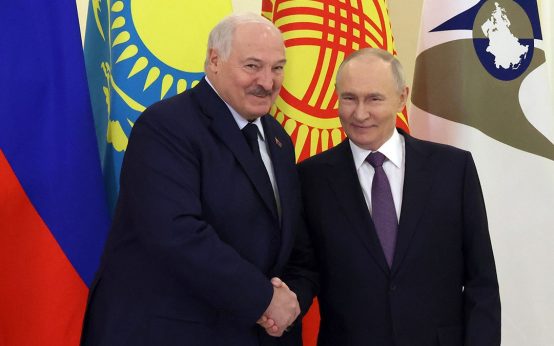 Lukashenko and Putin’s Unique Relationship and Belarus’ Strategic Role