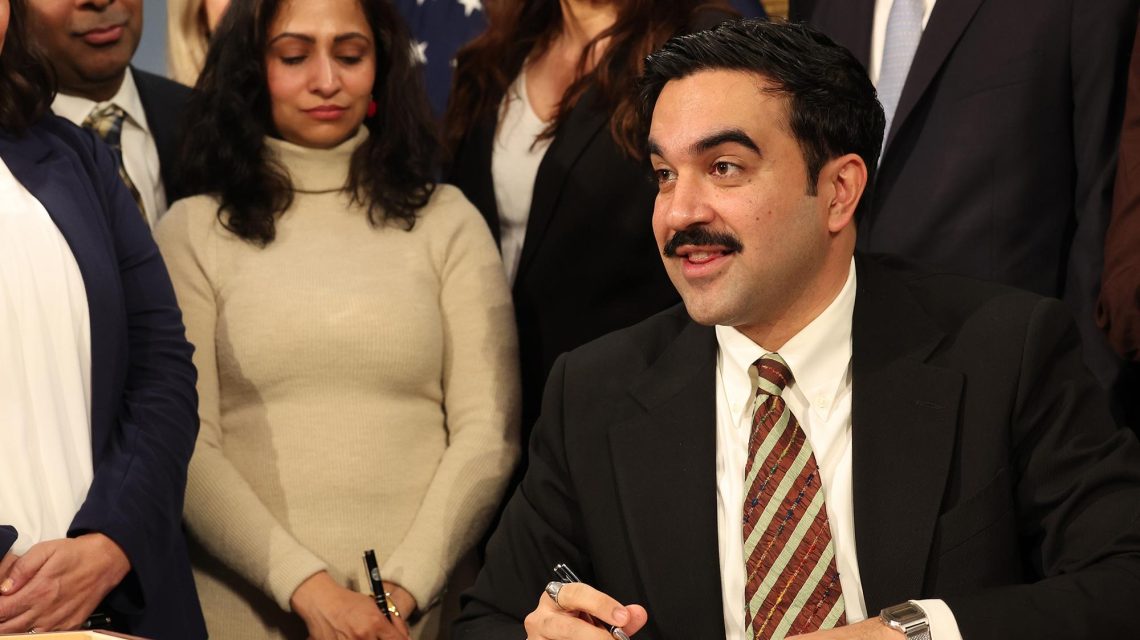
The recent decision by Mayor Zohran Mamdani to ban horse carriages in New York City has sparked significant controversy. The bill signing, which took place on a Thursday morning in City Hall’s Blue Room, was attended by Sovia Thukral and Anuj Thukral, relatives of Romanch Mahajan, an 18-year-old tourist from India who died in a horse carriage accident.
Mayor Mamdani faced criticism for what many consider his biggest political misstep in his term. Critics argue that the ban was not part of his agenda but was driven by a small group of animal-rights activists. These activists have been lobbying for such a measure for two decades, influencing local politicians.
Among those supporting the ban was Steve Nislick, a real-estate magnate and major advocate for the carriage ban. His support is linked to past political play during the campaign of former Mayor Bill de Blasio. De Blasio had agreed to the ban under political pressure during his 2013 campaign.
Julie Menin, the current Speaker, also backed the decision. This move, however, eliminated over 200 horse-driver and 50 stable-hand jobs. Central Park Conservancy chief Betsy Smith cited public safety in support of the ban after Mahajan’s fatal accident. Yet, the incident was the first of its kind in over a century, and reports suggest the horse might have reacted to stray electric voltage in Central Park.
The Transport Workers Union alleges maintenance failures by the conservancy caused the voltage issue. Critics draw attention to the lack of similar action after past incidents involving trees, park vehicles, and bicycles.
The ban received a veto-proof majority from the council. Mayor Mamdani had the option to abstain, allowing the ban to become law without ceremony. By choosing to make a public signing, he may have sought favor with special interest groups. However, this has potentially tarnished his political image.
The new law requires finding new employment for horse-carriage workers and compensating medallion owners, whose investments are now nullified. Mamdani has promised stipends for worker education or training, yet many of these workers possess degrees and have chosen this career by preference.
There are constitutional challenges underway, as medallion owners and carriage operators argue that the ban represents an unconstitutional taking of property. They face financial obligations, such as debts and mortgages, tied to their businesses. Mayor Mamdani must address these issues and justify any financial compensations.
This decision aligns Mamdani with figures like de Blasio and Menin, potentially undermining his distinct political appeal. In signing the ban, he took an image reminiscent of a detached corporate leader, out of sync with his original ideals. The move has sparked backlash, suggesting a shift in public perception of his administration.
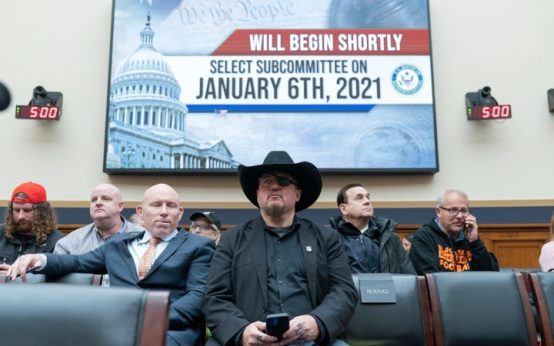 Stewart Rhodes’ Break with Trump and Plans to Rebuild Oath Keepers
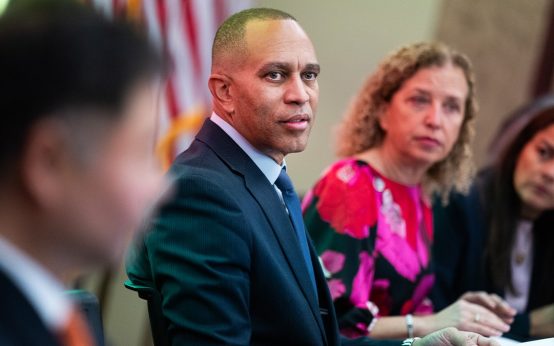 Progressive Democrats Push for Bold Agenda Amid Internal Party Tensions
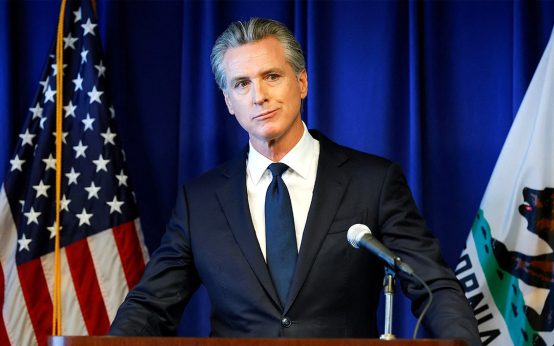 California Governor Faces Lawsuit Over Death Sentence Commutations
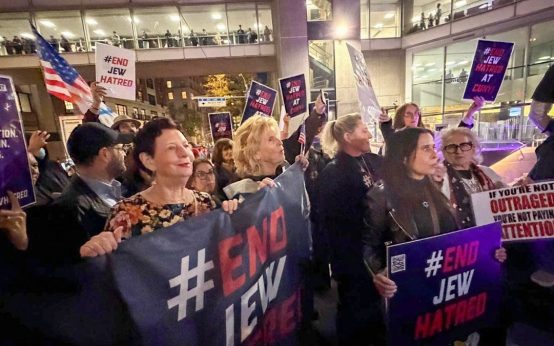 Allegations of Anti-Jewish Discrimination at CUNY School
 School Choice and the Texas Education Debate
 Trump’s Cryptocurrency Ventures and Their Impact on Supporters