
The recent editorial published on May 18 titled “America’s increasingly broken primary system” highlighted key issues affecting elections in the United States. The editorial scrutinized the factors that led to Sen. Bill Cassidy’s (R-Louisiana) loss in the primary election held in Baton Rouge.
The piece pointed out two significant aspects. First, the shift away from Louisiana’s open primary system played a crucial role in Sen. Cassidy losing his seat. This change restricted the inclusivity that an open primary offered, as it allowed all voters, regardless of party affiliation, to participate in the primary elections. Without this system, voters who do not strictly adhere to either major political party are sidelined.
Second, the editorial criticized how both major political parties in the United States contribute to the marginalization of independent voters. These voters often find themselves with limited influence in a closed primary system, as this setup tends to favor candidates who align strictly with party ideologies. Consequently, the voices of those who do not fit neatly into the established party lines are often unheard during these critical selection processes.
This discussion invites further reflection on how the primary system affects political representation and participation in the U.S. It raises questions about the fairness and inclusiveness of the electoral process, emphasizing the need for reevaluation to better accommodate a diverse voter base.
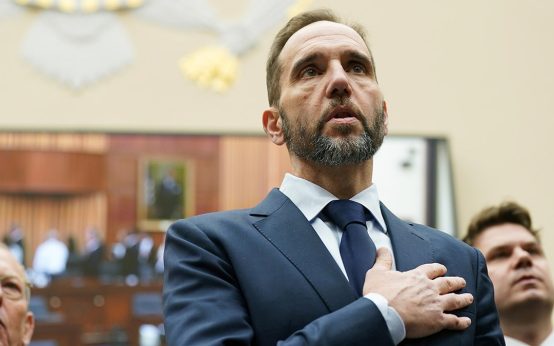 House Republicans Release Transcripts in Jack Smith Investigation
 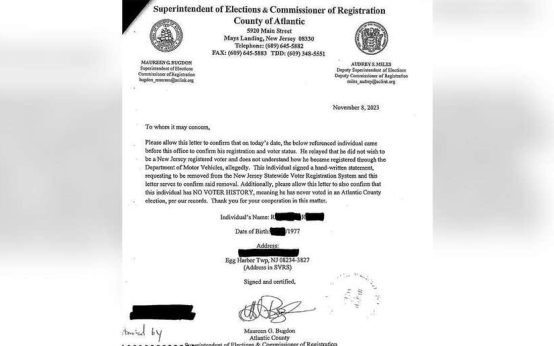 RNC Files Lawsuit for Transparency in New Jersey’s Voter Roll Maintenance
  Italian PM Giorgia Meloni Skips UN General Assembly Amid Growing Tensions
  Calls Grow for Ireland’s Soccer Team to Boycott Matches Against Israel
  Congressman Randy Fine’s Bold Political Stance and Views on AI Regulation
 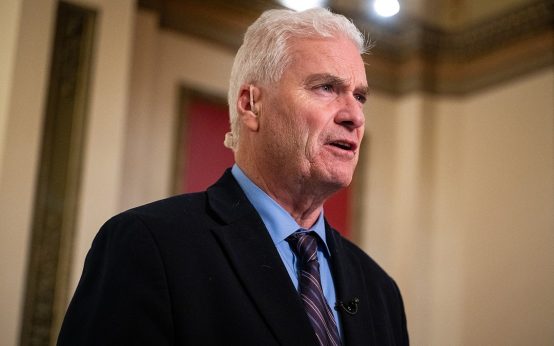 Political Messaging and Strategy Leading Up to Midterms