
Biologists made a remarkable discovery in New York’s Oswego Harbor, capturing a rare bright yellow burbot fish during an invasive species survey. This unusual coloring resulted from a condition known as xanthochromism, which is distinct due to its rarity compared to albinism or melanism in wild fish.
According to the U.S. Fish and Wildlife Service (FWS), the fish was so vivid that it overshadowed the vibrant fall foliage. Typically, burbots possess a dark olive or brown hue with darker spots and a lighter underbelly, as mentioned by the Iowa Department of Natural Resources (DNR).
The fish, highlighted by Fish Biologist Jake Cochran, was caught as part of the FWS Aquatic Invasive Species survey team’s efforts. This capture utilized a multi-gear fish-surveillance strategy, aiding in the early detection of invasive species when they are still rare. Despite burbots being native to this area, this particular catch was exceptional due to its unique coloration.
Beyond appearance, the burbot was in poor condition. The FWS team described it as emaciated and sent it to the Cornell University College of Veterinary Medicine for further health analysis. A necropsy conducted on November 17th revealed the fish suffered from malnourishment, multiple skin lesions, and was in generally poor health.
Experts discovered more concerning health issues during a histopathological evaluation. The fish had carcinoma, a cancer originating in epithelial cells, alongside a mild parasite infection in its kidney. These findings could provide valuable insights into cancer in this species and the factors contributing to its declining population.
 China Launches Shenzhou 24 with First Foreign Astronaut to Its Space Station
 Scientists Discover Earliest Quasar in Cosmic History
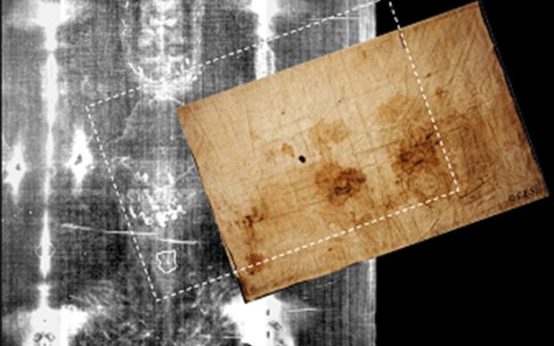 Spanish Scientists Explore the Connection Between Sudarium of Oviedo and Shroud of Turin
 Uncovering Mysteries at Westminster Abbey and Beyond
 Global Events and Key Developments
 Human Lifestyles Impact Dogs’ Gut Health