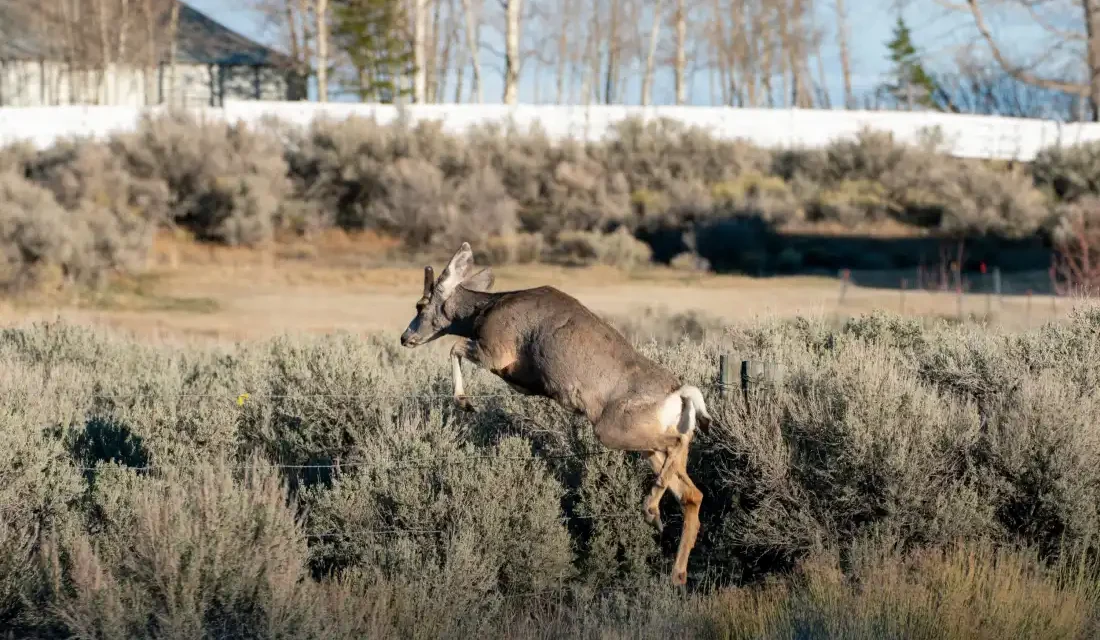
Mule deer in Pinedale, Wyoming, face increasing obstacles during their migrations. Barriers such as roads, fences, and urban development hinder their ability to adapt to changing seasonal patterns caused by a warming climate.
During a spring morning, a mule deer and her fawn undertake a 150-mile migration, one of the longest in the contiguous United States. These deer travel in small groups along ancient paths, part of the Greater Yellowstone Ecosystem in Wyoming. Here, species like elk and pronghorn antelope traverse vast terrains, synchronizing their movements to reach optimal feeding grounds in summer and evade harsh winter conditions.
Droughts in the Western U.S. exacerbate the challenges for mule deer by limiting their food sources. Development further complicates their journeys, creating a network of obstacles. While some research suggests mule deer can adjust to erratic seasonal patterns, ongoing development constrains this adaptability.
Wyoming spearheads efforts to protect migratory pathways. It’s among the few states actively preserving these routes, with measures to restrict development in vital areas. Landowners and conservation organizations collaborate to conserve open lands and uphold working ranches. Yet, increasing development raises questions about the future effectiveness of these measures.
“The history of wildlife migration is one of loss – we’ve lost migrations around the world,” says Matt Kauffman, a wildlife biologist at the U.S. Geological Survey. “We’re racing to map migrations and determine necessary tools as the American West evolves.”
During field studies, Kauffman and the Wyoming Migration Initiative track mule deer migrations using GPS collars. Their research illustrates the difficulties deer face, such as crossing highways and ice-covered lakes. Some mule deer traverse over 240 miles, underscoring their ingrained migration instinct.
Despite ample summer food supplies in mountain regions south of Grand Teton National Park, winter snows force deer southward to Wyoming’s Red Desert, where food scarcity is severe. The research group tracks deer in spring as they set off in search of nourishment, revealing migration risks such as a fawn’s potential death, indicated by a stationary tracking collar.
Severe winters and droughts take a heavy toll on populations, emphasizing the importance of fat reserves to endure adverse conditions. Kauffman highlights that fatalities can result from limited fat reserves built over milder seasons.
“Fat is the currency of life and reproduction for these deer,” he states. “Animals with more reserves fare better in challenging seasons.”
Collisions with vehicles are a significant threat, with about 7,600 wildlife-hit incidents recorded annually in Wyoming. Yet, migration remains a crucial survival tactic, enabling deer to access high-quality feed, which is abundant during the spring thaw.
The terrain greens from lower elevations upwards, creating what researchers call “surfing the green wave.” The deer’s movements are likened to choreography as they follow emerging vegetation.
Development, however, transforms this pattern into a complex obstacle course. Housing and resource projects disrupt migratory routes, which for thousands of years have supported wildlife. Barriers reduce deer flexibility, which is critical amid climatic uncertainties.
The state has taken strides, constructing overpasses and underpasses for safe wildlife crossings. However, maintaining connected landscapes is key, according to conservationists. “Protecting these lands prevents migration challenges,” says Kauffman.
The role of landowners is pivotal, as exemplified by Pinedale’s Maggie Miller. To facilitate migrations, Miller implemented conservation easements and modified animal-friendly fences on her ranch.
The Wyoming Game and Fish Department backs such efforts, yet financing remains a hurdle. Landowner-driven initiatives, combined with state and federal backing, have rejuvenated migration paths, with over 900 miles of fencing revamped.
Wyoming proactively designates migratory corridors, limiting development in key areas, but private land protections hinge on voluntary cooperation with landowners.
“We work hard to keep our functional connected landscapes,” says Jill Randall of Wyoming Game and Fish.”
Nevertheless, expansion poses a considerable threat, notably from oil and gas ventures. Lawsuits against federal lease sales reflect this tension. Arthur Middleton of UC Berkeley stresses the vulnerability of migratory species, underlining the necessity for escalated conservation efforts.
“Resources are needed to push conservation forward at a pace that development doesn’t outmatch,” Middleton concludes.
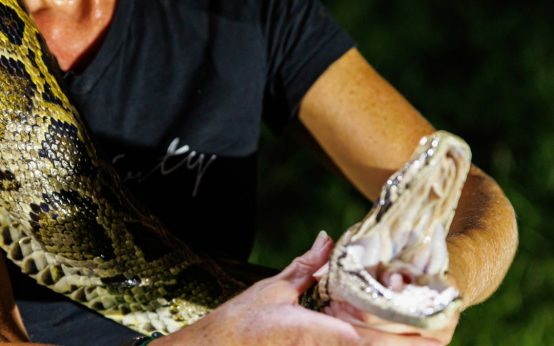 Burmese Pythons Expand Northward Impacting Florida Ecosystem
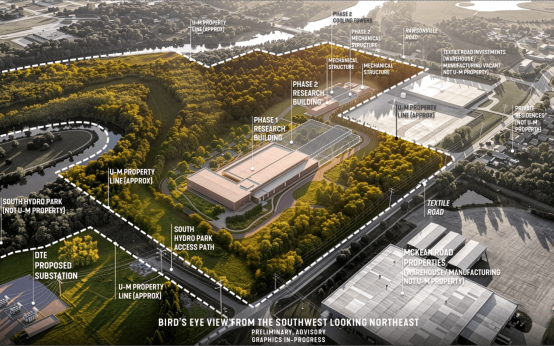 Michigan’s Ypsilanti Township Residents Oppose University of Michigan’s New Research Center
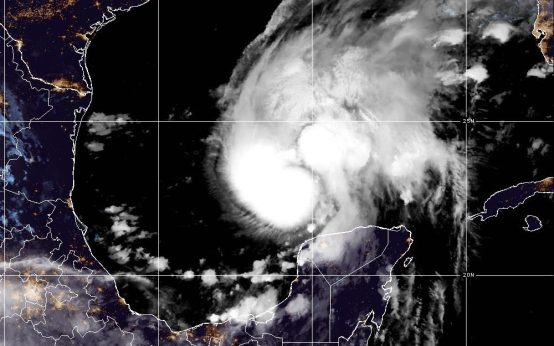 NOAA Signals Early End to 2026 Hurricane Season Amidst Strong El Niño
 Concerns Over Army’s Plan to Detonate Explosives in Iowa
 Concerns Over Army’s Planned Detonation of Lead Waste in Iowa
 Understanding the Insurance Dilemma in Fire-Prone Areas