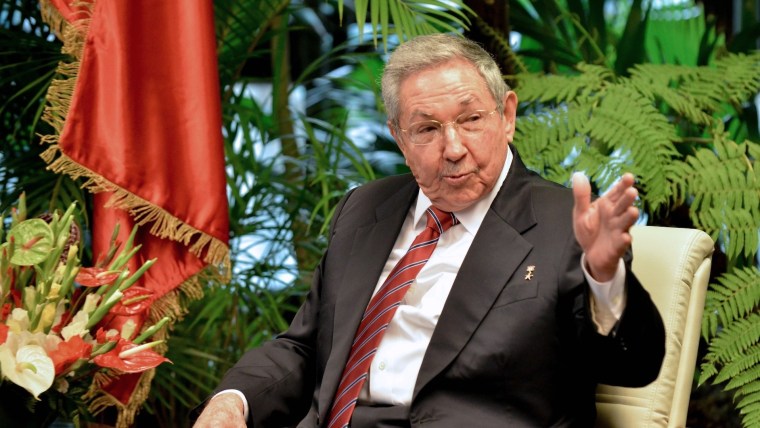
In Miami, the Justice Department indicted former Cuban President Raúl Castro for his involvement in the 1996 shooting down of two civilian planes that led to the death of four Cuban exiles. Acting U.S. Attorney General Todd Blanche announced charges of conspiracy to kill U.S. nationals, murder, and destruction of aircraft against the 94-year-old Castro and five Cuban fighter pilots. This announcement was made at Miami’s Freedom Tower, a significant symbol for Cuban Americans who fled the communist regime, with the event held on May 20, Cuban Independence Day.
Blanche stated, “Raúl Castro and five co-defendants participated in a conspiracy that ended with Cuban military aircraft firing missiles at those civilian planes and killing four Americans.” According to the indictment, orders to attack were issued through a command chain, culminating with Castro and his late brother Fidel Castro.
The charges relate to the 1996 incident involving the Brothers to the Rescue, a group aimed at rescuing Cubans escaping the country by sea. On a mission by this group, two of their planes were shot down by a Cuban MiG-29 outside Cuban airspace. The Cuban government argued the planes violated their airspace, but investigations by international bodies found that the attack occurred in international waters, beyond standard interception procedures.
The incident has long been a pivotal issue in U.S.-Cuba relations, with calls for Castro’s indictment from various Cuban American lawmakers and activists. Blanche emphasized ongoing efforts to gather evidence and bring forth charges, expressing hope that Castro would come to the U.S. voluntarily or otherwise.
Cuba’s government denounced the indictment, with President Miguel Díaz-Canel accusing the U.S. of manipulating the 1996 event’s narrative. Meanwhile, Cuban American legislators welcomed the indictment as a move towards justice. Castro, despite stepping down from political roles, remains an influential figure in Cuba, where he is set to celebrate his 95th birthday soon.
This indictment adds to the existing tension between the U.S. and Cuba, with pressure from the Trump administration for Cuba to enact political and economic reforms. U.S. sanctions and military threats have increased Cuba’s challenges, including significant fuel shortages and electricity blackouts. Cuban officials and some residents attribute these economic difficulties to U.S. policies.
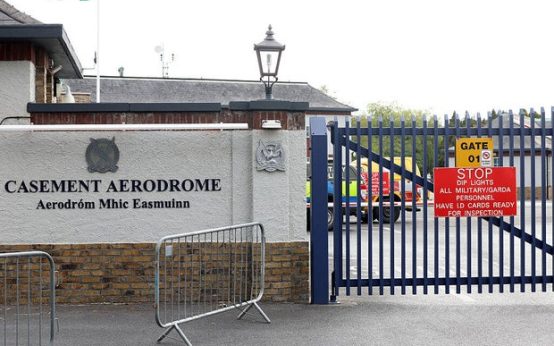 Irish Crime Leader Extradited to Face Charges
 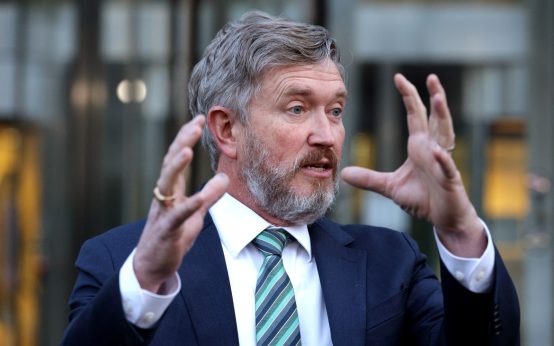 Massie Criticizes Iran Conflict as Trump’s Major Blunder
 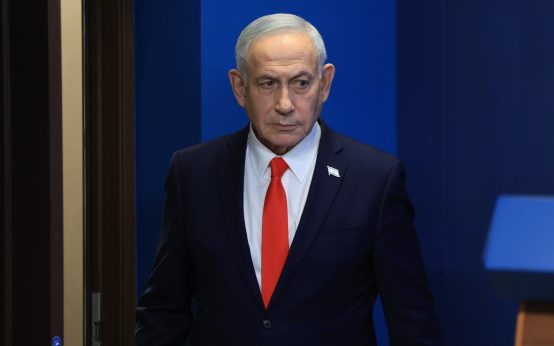 Netanyahu Rejects U.S. 15-Point Plan for Gaza
  Sailor’s Bold Arctic Adventure for Science and Exploration
  New Trilateral Defense Agreement Explained
  Israel’s Ongoing Strikes in Gaza Despite Ceasefire Agreement