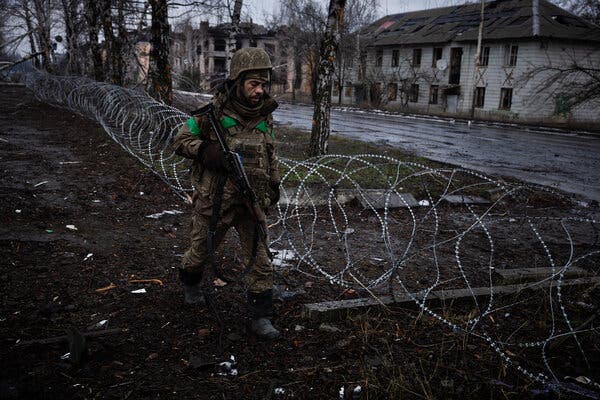
The Russian military continues to grapple with a significant obstacle: achieving substantial progress in eastern Ukraine amid the widespread presence of drones. This challenge has persisted through the early months of the year, highlighted by the experiences of soldiers such as those stationed in Kostiantynivka.
President Vladimir V. Putin of Russia has endeavored to persuade President Trump that Russian forces are headed for inevitable victory in Ukraine. Putin has suggested that Kyiv should surrender the eastern Donbas region to avoid imminent defeat. However, the unfolding situation on the ground offers a different narrative.
Despite some gains made toward the end of the previous year, Russian progress has notably decelerated. In certain areas, they have even ceded territory. At the current pace of advance, it would take Russia over thirty years to fully capture the Donbas, a key area that the Kremlin insists must be taken to conclude the conflict.
This slowdown may not be permanent. Seasonal elements contribute to the current stagnation. Historically, Russian troops gain momentum during the summer months, assisted by favorable weather and increased foliage offering better camouflage from drones. Recent reports from Ukrainian authorities indicate that Russian forces are preparing for renewed offensives and have ramped up their activities along the frontline.
Overall, Russia still faces the undiminished challenge of making significant gains on a battlefield dominated by drones. The strategy of deploying large formations in armored vehicles through frontline defenses is largely obsolete.
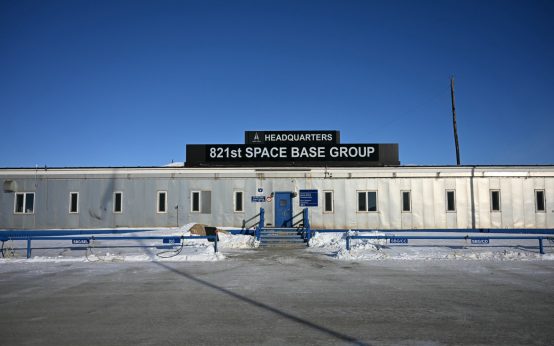 New U.S. Military Bases Planned in Greenland Amid Strategic Security Deal
 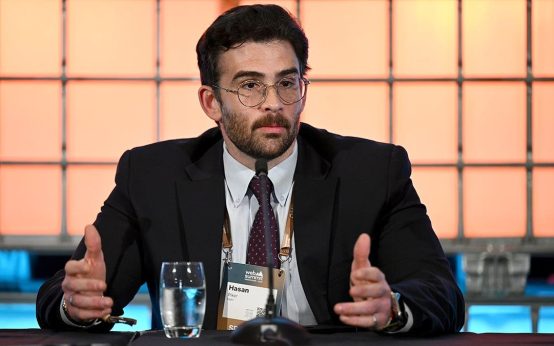 Twitch Streamer Hasan Piker Discusses Controversial Commentary
  A Shifting Political Landscape: The Decline of Autocratic Power
  Trump Delivers Warning to Iran, Cuba at UN General Assembly
 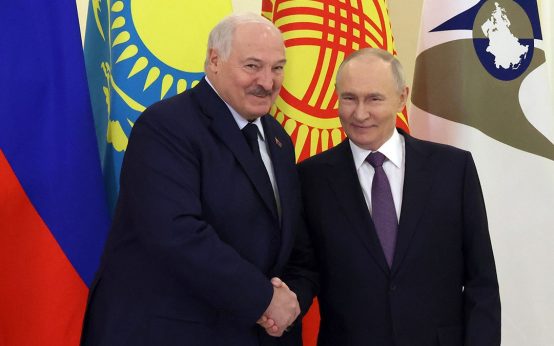 Lukashenko and Putin’s Unique Relationship and Belarus’ Strategic Role
  Alan Ritchson Faces Backlash Over Political Remarks