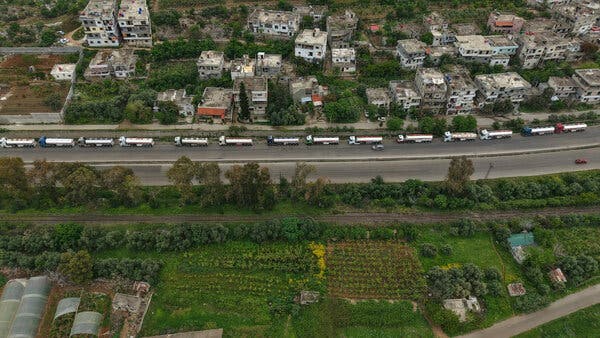
The ongoing conflict in the Middle East has led to significant economic developments for Syria. As a key geographic player, Syria has emerged as a vital alternative to the blocked Strait of Hormuz, offering new routes for oil and goods transportation.
With Mediterranean ports and borders shared with Turkey, Iraq, Jordan, and Lebanon, Syria now serves as a crucial hub. The Strait of Hormuz was previously a major artery for global oil supply, but the blockade has necessitated strategic shifts.
Syria’s Strategic Position
Syria’s location has become highly valuable, particularly for Iraq and Gulf states like the United Arab Emirates. These nations have initiated overland routes to utilize Syrian ports, enhancing trade flow.
Syria’s capacity to serve as an alternative pathway is vital in light of current geopolitical tensions.
Mazen Alloush, director of Syria’s customs authority, emphasized the urgency for neighboring countries to seek alternative routes through Syrian territory. However, Syria faces substantial hurdles in maximizing these opportunities.
Challenges and Reconstruction
Despite its new role, Syria grapples with power and water shortages. Years of civil conflict, which concluded in 2024 with the removal of Bashar al-Assad, severely damaged infrastructure. Rebuilding efforts are essential to support burgeoning trade routes.
The devastation in Damascus and other areas highlights the need for substantial reconstruction to sustain growing trade demands.
Syria’s ability to navigate these obstacles will determine its success as an alternative route for global trade.
 Trump Administration’s Plan to Resettle Afrikaners as Refugees
 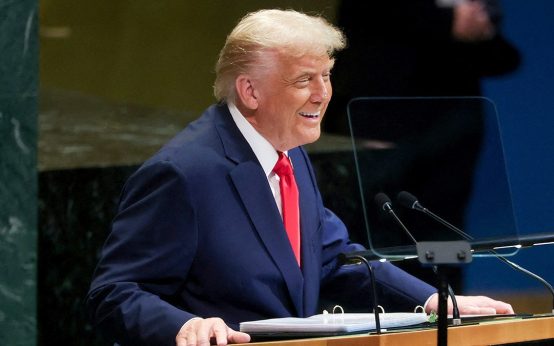 Trump’s Vision on Iran, AI, and Global Security at the UN
  Lithuanian Leader Seeks U.S. Military Commitment Amid Rising Russian Threats
 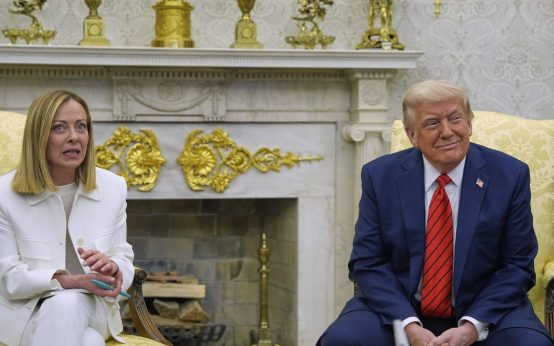 Italian PM Giorgia Meloni Skips UN General Assembly Amid Growing Tensions
  Calls Grow for Ireland’s Soccer Team to Boycott Matches Against Israel
  New U.S. Military Bases Planned in Greenland Amid Strategic Security Deal