Ebola Outbreak and Incident Overview
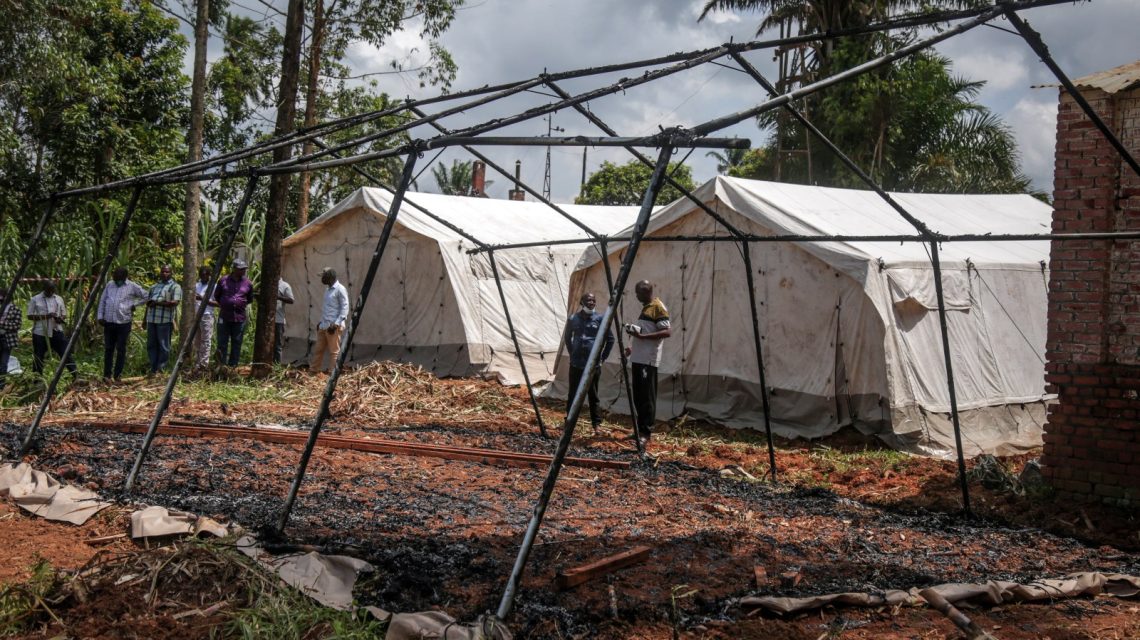
A hospital director in eastern Democratic Republic of the Congo reported an alarming incident. More than a dozen individuals with suspected Ebola cases escaped after residents set fire to a treatment tent. This violence followed a similar incident when authorities did not release the body of an Ebola victim. Dr. Richard Lokudi, director of Mongbwalu hospital, condemned the act, noting that it caused panic and led to the escape of 18 suspected cases. According to Médecins Sans Frontières (MSF), the tent was empty during the fire, and no injuries occurred.
The World Health Organization classifies the outbreak’s risk level in DRC as “very high.” The Bundibugyo virus, responsible for this outbreak, is a rare Ebola strain. There are no approved vaccines or treatments for this virus. Health officials warn that the escape of suspected cases raises the risk of community transmission, complicating efforts to contain infection and mortality rates.
Community Response to Medical Facilities
On Friday evening, residents in Mongbwalu, Ituri province’s Ebola outbreak epicenter, set a medical tent ablaze. Although there were no injuries from the fire, 18 individuals with suspected Ebola cases fled during the chaos. MSF recently started activities in Mongbwalu to support the Congolese Ministry of Health and local communities against the Ebola outbreak. MSF emphasizes the importance of community engagement and trust-building to effectively respond to Ebola.
Despite setbacks, MSF is dedicated to establishing a 60-bed Ebola treatment center. Their focus is patient care, community outreach, and essential health services.
Civil Unrest Over Burial Protocols
The Mongbwalu attack follows unrest in Rwampara. Here, a treatment center was burned after authorities stopped family members from retrieving an Ebola victim’s body. Health officials stress proper burial precautions to prevent transmission from contagious patients even after death. Crowded funerals are major transmission risks. The Red Cross oversees many burials using full body protective gear.
In Rwampara, security forces used tear gas and warning shots to disperse crowds that set fire to medical tents. ALIMA reported that flames consumed a deceased patient’s body that was awaiting burial.
Scale of the Outbreak
WHO Director-General Tedros Adhanom Ghebreyesus reported 82 confirmed cases and seven deaths, but acknowledged the outbreak’s scope is “much larger.” As of Thursday, DRC health ministry noted 160 suspected deaths among 670 cases. Reports indicate 750 suspected cases with 177 deaths, numbers expected to rise with expanded surveillance.
Origin and History of the Current Outbreak
The outbreak began late last month with unidentified deaths in Ituri province showing symptoms of viral hemorrhagic fever. The suspected index case, a nurse, died on April 24. Investigations revealed the virus circulated weeks before laboratory confirmation. The DRC Ministry of Health and WHO declared the outbreak in early May, identifying the Bundibugyo virus. The rapid spread led to regional alerts in Uganda and South Sudan and the CDC’s enhanced screening at U.S. airports.
Discovered in 1976, the virus has caused over 40 outbreaks over five decades, according to NIH data.
Understanding Ebola’s Lethality
Ebola is among the most lethal viral pathogens, with mortality rates varying by strain, healthcare access, and identification speed. Historical data shows outbreak mortality rates range 25 to 90 percent. The Bundibugyo virus historically has a 30 to 50 percent mortality rate. Delays in specialized care sharply worsen outcomes. The current outbreak shows increased severity, with PAHO estimating mortality between 55 and 60 percent.
Ebola disrupts the immune system, damages blood vessels, and leads to organ failure, shock, and bleeding. IV fluids, oxygen, and complication treatment can improve survival prospects, but rapid medical access remains problematic for affected communities.
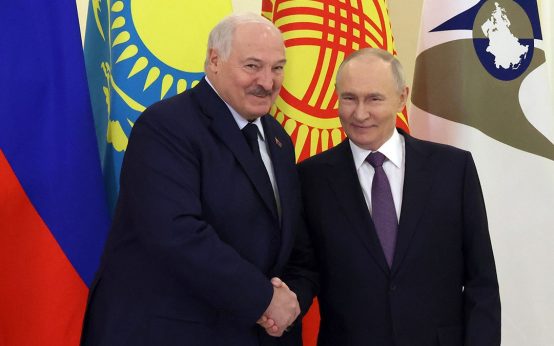 Lukashenko and Putin’s Unique Relationship and Belarus’ Strategic Role
  Alan Ritchson Faces Backlash Over Political Remarks
 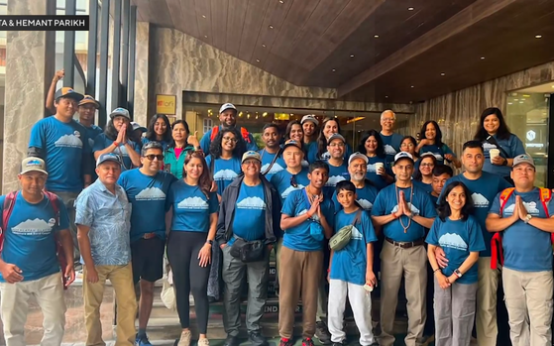 Himalayan Pilgrimage: A Couple’s Narrow Escape and Lingering Questions
  Former CEO Sentenced for Bank Fraud and Sanctions Evasion
 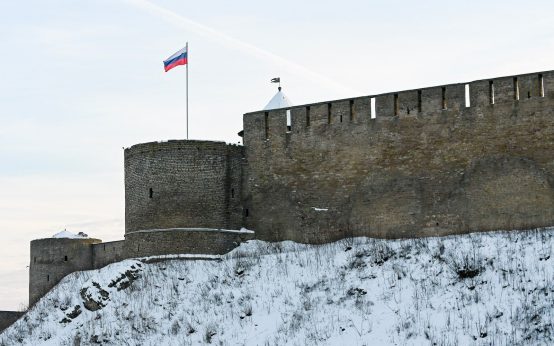 Russia’s Potential Incursion Into Estonia: NATO’s Resilience Under Scrutiny
  Senators Urge Action to Free Imprisoned Journalist in Iran