Covid was a collective trauma. In Berlin, I remember the day when Angela Merkel, then Germany’s chancellor, announced the lockdown. The following months were marked by home-schooling, masks, and empty airports, with stories of loved ones dying alone in hospitals. These memories linger.
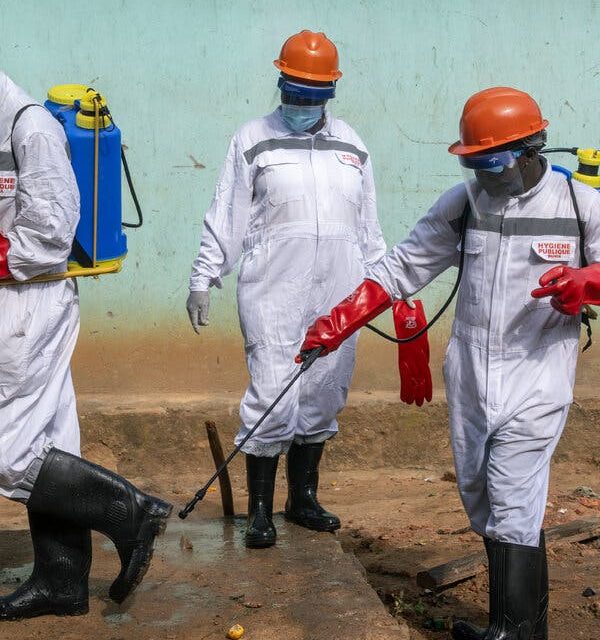
Recent reports of new virus outbreaks, such as hantavirus and Ebola, have triggered old fears. A friend asked if this might be the next Covid. It won’t be, but it is still a cause for concern.

Science and global health reporter, Apoorva Mandavilli, suggests that while these outbreaks don’t signal another pandemic, they underline the need for preparedness.
Virus Outbreaks Demand Attention
Recent weeks have reminded many of the early Covid days, with mysterious deaths on a cruise ship and discussions of forced quarantines. The hantavirus, causing severe illness but not typically contagious, and an Ebola outbreak in central Africa, have prompted concern. The World Health Organization (WHO) states that while serious, these outbreaks are not expected to reach a global scale like Covid.
The Need for Global Readiness
The presence of these viruses highlights the inevitability of outbreaks. The world must prepare to prevent them from becoming pandemics. This urgency was a primary focus at the recent WHO annual meeting, attended by health officials worldwide.
 Reducing Ultra-Processed Foods Improves Mental Health
  Link Between Ultra-Processed Foods and Chronic Disease Risks
  Senate Democrats Question if Kennedy Struck Deal in Vaccine Lawsuit
  Understanding Menopausal Brain Fog: Hormonal Shifts and Memory
  Concerns Over Kratom’s Health Risks Following Student Deaths
  Impending Changes to SNAP and Medicaid: Impact and Reactions