Federal Inquiry into Cuban Influence
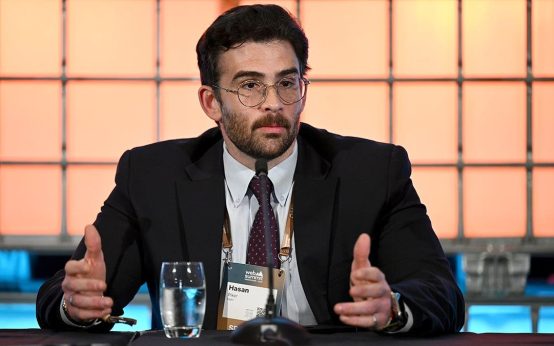
The Treasury Department is investigating Hasan Piker for allegedly violating laws related to business with Cuba’s communist government. This probe is part of a broader federal investigation into potential Cuban influence in the U.S. This effort involves a transnational network supporting Cuba, which brought Piker to Cuba in March as part of the Nuestra América Convoy.
Piker mentioned on a podcast that the Cuban government offered him internet access for making the trip. However, he did not disclose the identity of his contact from the Cuban embassy.
The investigation is managed by the Justice, State, and Treasury departments.
Activities in California
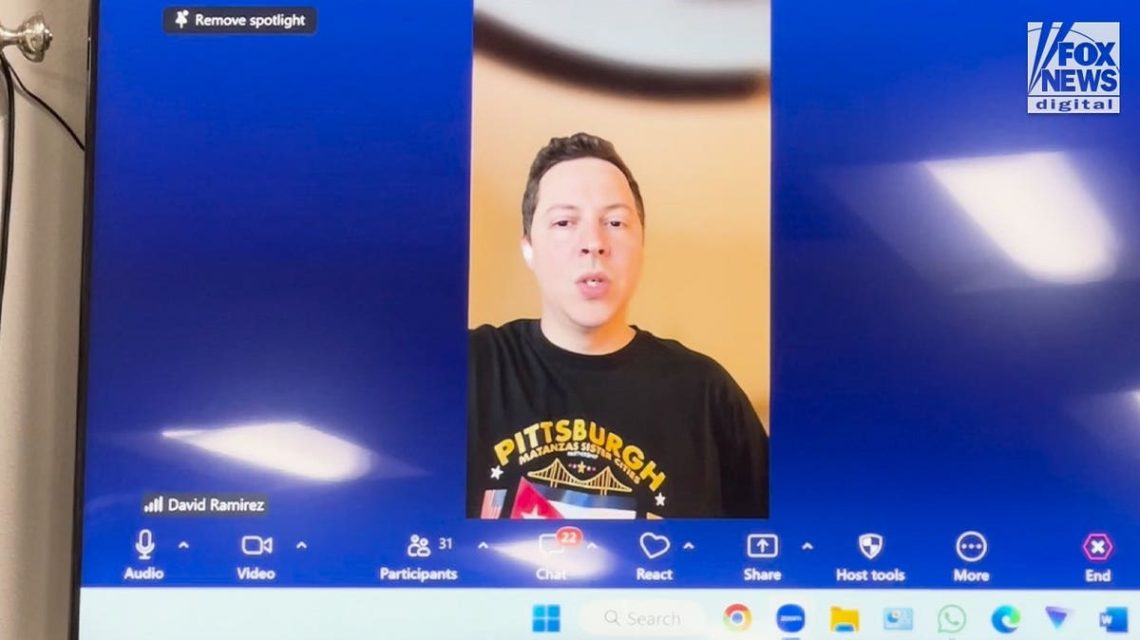
The U.S. Hands Off Cuba Committee, consisting of 23 organizations including CodePink, recently held a meeting at Machinists Hall in Wilmington, California. Participants included key leaders who promote pro-communist support for Cuba. They discussed strategies and shared political and legislative priorities with activists.
At the meeting, David Ramírez Álvarez, a Cuban diplomat, spoke about U.S. legislation Cuba supports. The U.S. Hands Off Cuba Committee is part of a larger network led by groups funded by Neville Roy Singham, a tech tycoon linked to the Chinese Communist Party.
ICAP: A Key Player
Fernando González Llort heads the Cuban Institute of Friendship with the Peoples (ICAP), an organization founded by Fidel Castro in 1960. ICAP manages foreign delegations and solidarity campaigns and is viewed as a proxy for Cuban intelligence services. U.S. officials allege Ramírez Álvarez is building connections between U.S. activists and ICAP.
Members from various organizations, including labor unions and socialist groups, engaged in discussions aimed at promoting U.S.-Cuba relations aligned with Cuba’s interests.
Legal and Diplomatic Context
The Embassy of Cuba in Washington, D.C., insists its diplomats comply with the Vienna Convention, which mandates that diplomats respect host countries’ laws and avoid interfering in internal affairs. The convention also allows diplomats to engage with civil society to promote friendly relations.
The federal investigation aligns with directives from the National Security Presidential Memorandum 7 (NSPM-7), emphasizing examining financial flows linked to potential domestic terrorism and political violence.
Historical and Current Networks
Cuban influence strategies in the U.S. date back to the Cold War, involving groups like the Venceremos Brigade. The modern network includes efforts to expand Cuba solidarity campaigns, involving various organizations engaged in political advocacy and humanitarian aid.
Meetings such as the one in Wilmington illustrate ongoing organizational efforts blending humanitarian aid with political advocacy, raising questions about potential violations of U.S. law regarding foreign agents.
Ongoing Investigations and Implications
Federal investigators scrutinize these networks for involvement in foreign-directed political activity. Organizations involved describe their work as legally protected activism. The investigation focuses on whether such activities should be disclosed under the Foreign Agents Registration Act.
The events in Wilmington highlight ongoing concerns about the scope and impact of Cuba’s influence in the U.S., framing it as part of a larger ideological struggle against U.S. policies.
 Twitch Streamer Hasan Piker Discusses Controversial Commentary
  A Shifting Political Landscape: The Decline of Autocratic Power
  Trump Delivers Warning to Iran, Cuba at UN General Assembly
  Lukashenko and Putin’s Unique Relationship and Belarus’ Strategic Role
  Alan Ritchson Faces Backlash Over Political Remarks
  Himalayan Pilgrimage: A Couple’s Narrow Escape and Lingering Questions