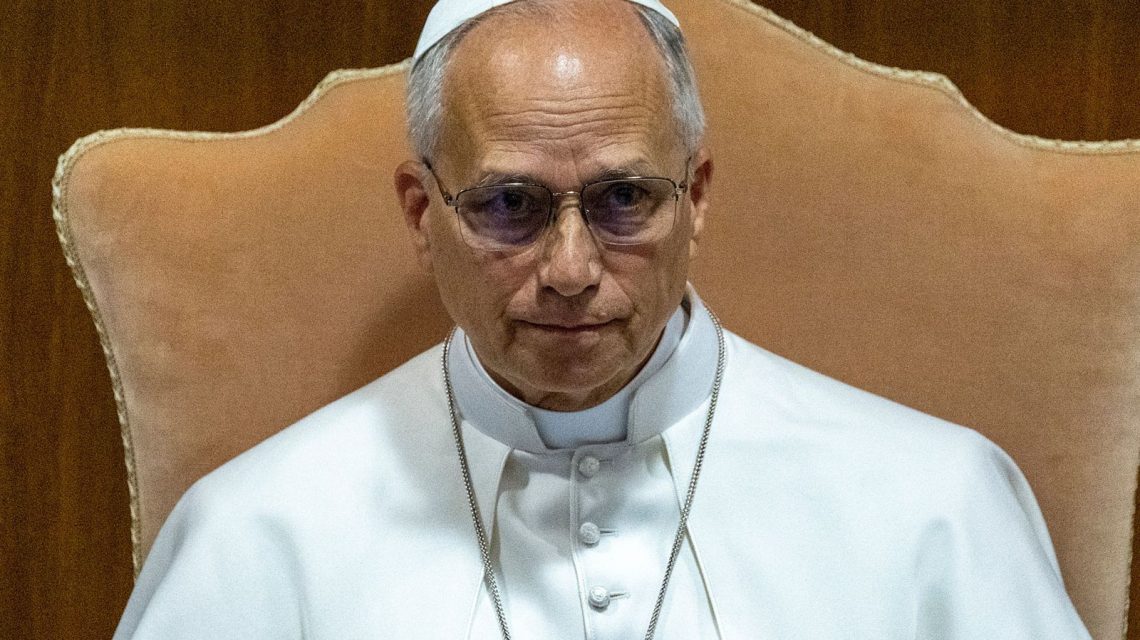
Pope Leo XIV has introduced his first encyclical, presenting a comprehensive vision for the Catholic Church’s response to current global challenges. The 235-page document, titled Magnifica Humanitas: On Safeguarding the Human Person in the Time of Artificial Intelligence, addresses issues such as artificial intelligence, modern warfare, migration, and historical injustices.
Artificial Intelligence
At the heart of the encyclical is a discussion on artificial intelligence and emerging technologies. Pope Leo expresses concerns about the growing influence of AI, robotics, and digital systems in everyday life. While acknowledging advancements in technology, he emphasizes the risks when not aligned with the common good.
The pope explains that humanity faces new ethical challenges, particularly regarding human dignity and social justice. He uses the biblical story of the Tower of Babel to illustrate the dangers of systems that promote domination over cooperation. He calls for diverse perspectives in AI development to avoid dehumanization.
He also urges governments to regulate AI companies, create robust legal frameworks, and protect workers affected by automation. Additionally, he stresses the importance of shielding children from harmful online content generated by AI.
Modern Warfare
Pope Leo critiques the role of AI in modern conflicts, stating that technology detaches warfare from human accountability. He opposes the outdated ‘just war’ theory, advocating for diplomacy and dialogue instead. The pope warns autonomous weapons lower control over warfare and make conflict more impersonal.
Leo argues that AI-driven conflicts transform individuals into mere data, making violence seem inevitable. He asserts that no artificial system should make lethal decisions, as no algorithm can render war morally acceptable.
Migrant Treatment
The encyclical includes a focus on migrants and refugees, describing their treatment as a measure of a society’s justice. Pope Leo emphasizes the importance of respect and integration opportunities for migrants, condemning any injustice rooted in fear.
He calls for addressing the causes of forced migration, such as economic inequality and climate change. The pope envisions migration as an opportunity for mutual enrichment among societies when handled respectfully.
Church’s Historical Role
Leo also discusses the Catholic Church’s historical involvement in slavery and colonialism. He acknowledges the Church’s delayed condemnation of slavery and expresses deep sorrow for the suffering caused. He formally apologizes for the Church’s historical role in enabling exploitation.
He refers to the 1400s Vatican decrees that supported colonial expansion and slavery, which were part of the ‘Doctrine of Discovery,’ formally repudiated by the Vatican recently.
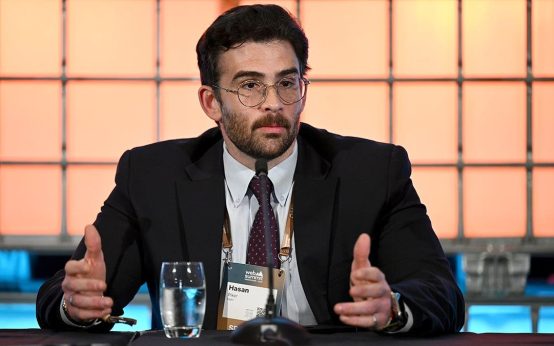 Twitch Streamer Hasan Piker Discusses Controversial Commentary
  A Shifting Political Landscape: The Decline of Autocratic Power
  Trump Delivers Warning to Iran, Cuba at UN General Assembly
 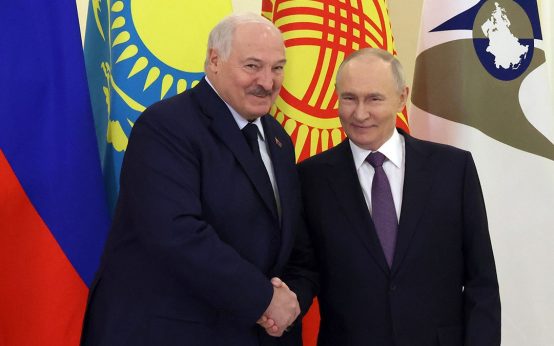 Lukashenko and Putin’s Unique Relationship and Belarus’ Strategic Role
  Alan Ritchson Faces Backlash Over Political Remarks
  Himalayan Pilgrimage: A Couple’s Narrow Escape and Lingering Questions