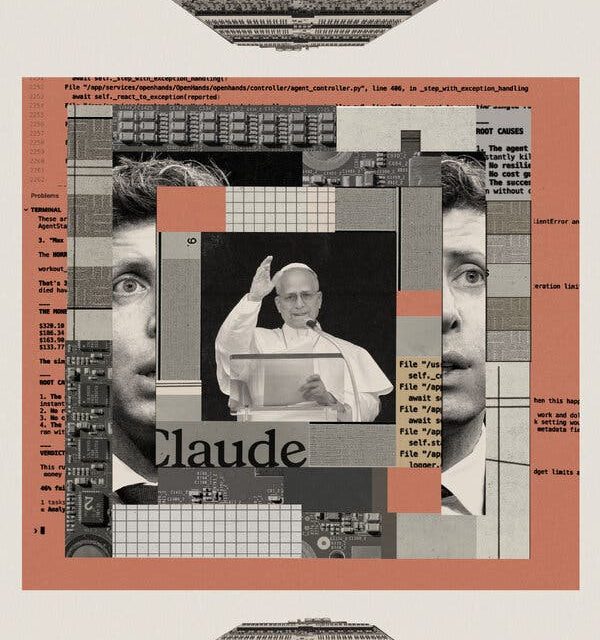
Pope Leo XIV, the first American to hold the papacy, recently issued an encyclical titled Magnifica Humanitas or “Magnificent Humanity.” This 42,300-word document provides a firm yet respectful commentary on the state of artificial intelligence. Published on Monday, it aims to highlight the importance of maintaining humanity’s role over technological advancements.
Silicon Valley has long been driven by ambitions of transcendence, dating back to the era of room-sized computers. The investment of billions in AI signifies that these aspirations are closer to reality. A longstanding industry joke features a programmer asking a computer, “Is there a God?” to which the computer responds, “There is now.” The Whole Earth Catalog, a significant influence on innovators like Steve Jobs, once stated, “We are as gods and might as well get good at it.” Such historical references highlight the ongoing narrative that technology serves as a new deity.
The Pope’s message counters this ideology by urging the technology sector to slow down and prioritize humans over machines. Central to his argument is the warning that AI can exacerbate existing inequalities. Without transparency and regulation, those controlling AI could dictate moral frameworks, embedding their ideals within these complex systems.
In issuing this encyclical, Pope Leo XIV addresses one of the most pressing contemporary issues: the balance between technological growth and ethical governance. His appeal prompts reflection on how AI, while powerful, should not become an unchecked force infusing every aspect of modern life without accountability.
 New U.S. Military Bases Planned in Greenland Amid Strategic Security Deal
 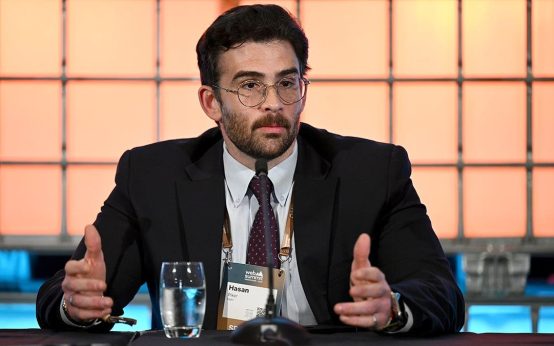 Twitch Streamer Hasan Piker Discusses Controversial Commentary
  A Shifting Political Landscape: The Decline of Autocratic Power
  Trump Delivers Warning to Iran, Cuba at UN General Assembly
  Lukashenko and Putin’s Unique Relationship and Belarus’ Strategic Role
  Alan Ritchson Faces Backlash Over Political Remarks