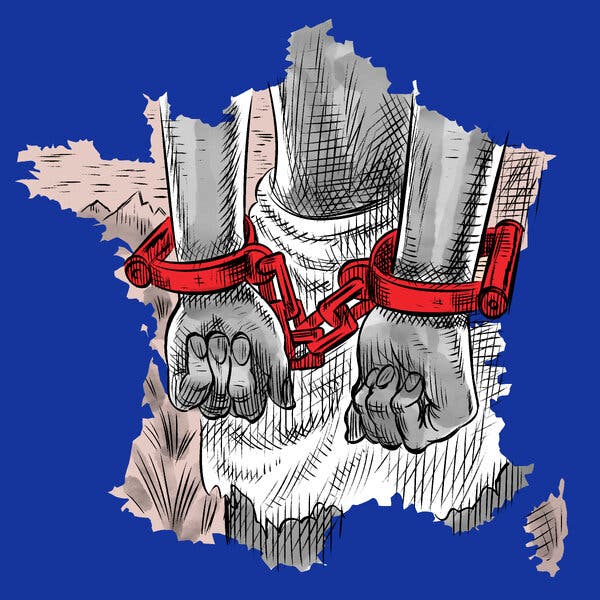
In May 2025, François Bayrou, then the prime minister of France, faced an unexpected question from a member of Parliament. The question was about why France had not formally revoked the Code Noir, a set of laws that enforced slavery in French colonies. Few people realized these laws were technically still active. Surprised, Bayrou announced plans for a bill to abolish the Code and hoped it would pass without opposition. After the government changed, the Code seemed likely to persist.
A year later, in May 2026, a cross-party bill authored by Max Mathiasin, a lawmaker from Guadeloupe, aims to annul the slave laws. This comes 341 years after King Louis XIV initiated them. While symbolically important, the Code Noir deserves broader examination for its role in France’s colonial slavery system.
The Code Noir established the legal foundation to treat African captives as “movable goods” or inheritable human property. While it supported colonial profit, the laws also reflected Louis XIV’s conservative Catholic perspective. The first article expelled Jews from Caribbean colonies, showcasing this outlook.
The Code resulted in a chilling compromise with African captives. They lost freedom but were promised eternal salvation through Christ. Louis believed forced labor could also serve divine purposes. In contrast, English colonies like early Virginia typically did not baptize captives, as many Protestants then believed Christians shouldn’t be enslaved.
Louis’s belief made this mix of forced labor and religious duty central to the colonial life. Religious orders like the Jesuits managed slave plantations to support their missions. A Dominican priest named Jean-Baptiste Labat ran a sugar plantation in Martinique in the 1690s. He baptized enslaved people but ordered brutal punishments for African religious practices. His actions, both compassionate and cruel, reflect the system’s impact rather than personal failings.
 New U.S. Military Bases Planned in Greenland Amid Strategic Security Deal
  Twitch Streamer Hasan Piker Discusses Controversial Commentary
  A Shifting Political Landscape: The Decline of Autocratic Power
  Trump Delivers Warning to Iran, Cuba at UN General Assembly
  Lukashenko and Putin’s Unique Relationship and Belarus’ Strategic Role
  Alan Ritchson Faces Backlash Over Political Remarks