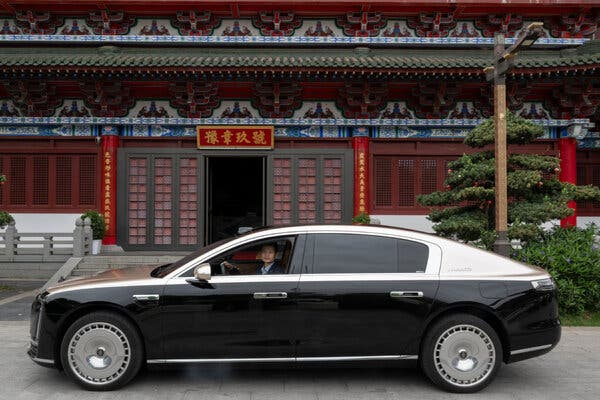
As China’s economic growth slows, there’s a notable shift in consumer preferences towards domestic luxury products. This trend is challenging the long-standing dominance of European brands that have typically led the luxury market.
Li Maozai, a partner at a law firm in Nanchang, exemplifies this shift. Previously loyal to brands like Mercedes-Benz and BMW, he opted for a Maextro S800, a Chinese luxury sedan produced by Huawei and JAC Motors. He was drawn to its sleek design and advanced technology, features he felt were superior to the German cars he used to drive. Despite its $140,000 price tag, it was considered more affordable than European counterparts.
Li’s decision reflects a broader trend. The Maextro has quickly become the best-selling luxury car in China, surpassing many Western models. According to Huawei, one in three luxury cars sold in China in April was a Maextro. This reflects the increasing strength of Chinese brands in various luxury sectors, including automobiles, hospitality, and personal goods, as they start to edge out European companies.
Even amidst economic challenges such as a property crisis and reduced consumer spending, Chinese consumers are increasingly drawn to luxury items made in China. These products are appealing due to their competitive pricing, advanced technology, and alignment with local cultural preferences. This shift also ties into a growing sense of nationalism and pride in China’s economic progress.
Stores like the Laopu Gold jewelry shop in Beijing, which incorporates traditional Chinese motifs, illustrate this trend towards products that resonate culturally with Chinese shoppers. The changing consumer landscape underscores a significant transformation in the global luxury market.
 Finding the Perfect Sports Bar Experience
 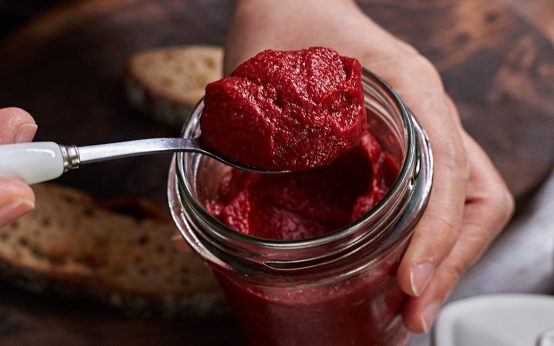 Tomato Paste May Enhance Cognitive Function, Spanish Study Indicates
 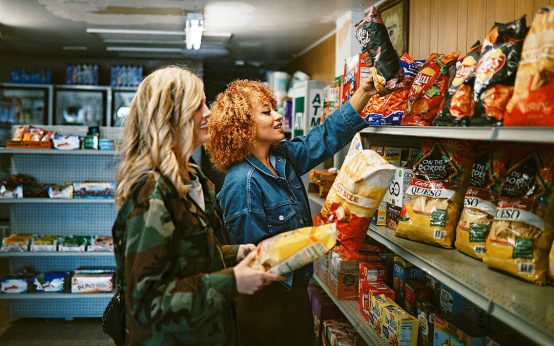 PepsiCo CEO Critiques U.S. Snack Volume and Market Changes
 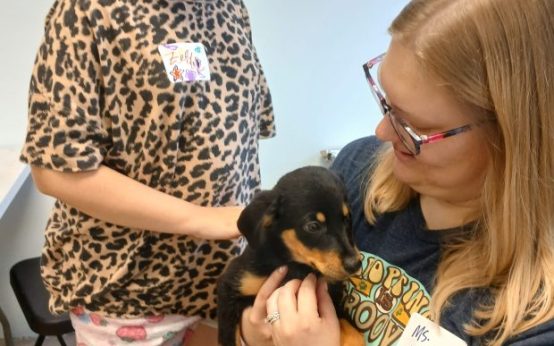 Pet Camp at Humane Indiana Educates Kids on Animal Care
 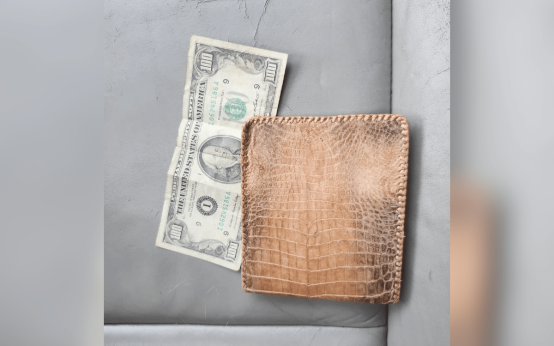 Thrift Store Find Turns into a Surprise Payday for Milwaukee Mom
 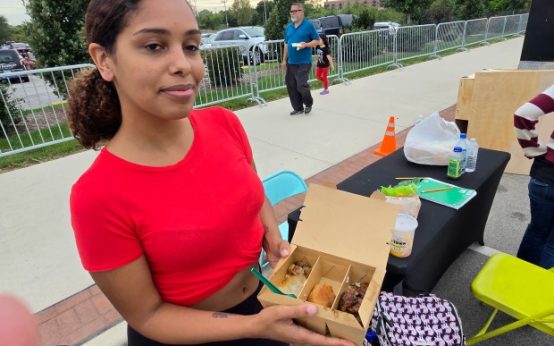 Aurora’s Food Truck Festival Draws Enthusiastic Crowd