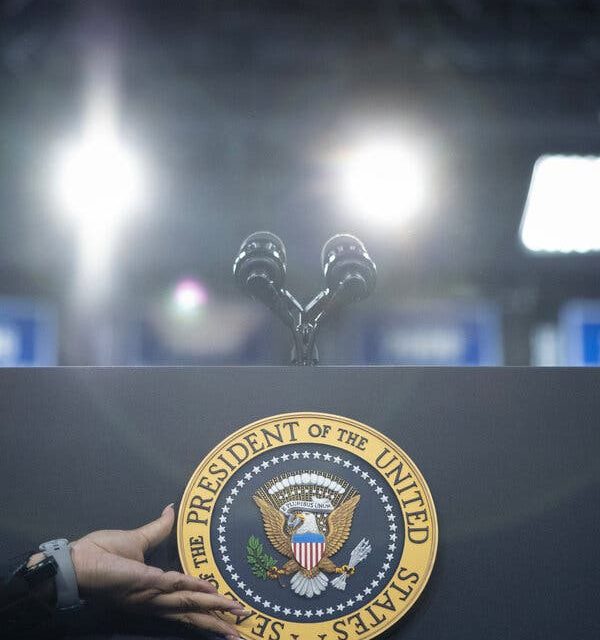
The founding fathers of the United States designed the Constitution to create a powerful, yet restrained, presidency. They aimed to establish an executive role filled by an individual with the capability for decisive and responsible action. However, there was a need for mechanisms to prevent this role from becoming monarchical.
During the Constitutional Convention of 1787, Benjamin Franklin remarked on the potential risks of an empowered presidency. He referred to George Washington, expressing concern about future leaders and the gradual increase in executive power. Franklin highlighted the danger of the presidency evolving into a monarchical position.
The Constitution attempted to balance granting adequate power to the executive while preventing the rise of a new kind of king. This approach was a topic of substantial debate among the framers. Alexander Hamilton supported a robust presidential authority, even proposing a lifetime tenure. In The Federalist Papers, Hamilton warned against populists, asserting that demagogues often emerge as tyrants after initially courting popular favor.
Despite the framers’ efforts, some scholars today question if the Constitution adequately achieves this balance. The Constitution, now the oldest national constitution still in use, has endured significant challenges over centuries. Yet, perceptions of its adequacy, especially given recent political climates, remain a point of discussion as the nation reflects on its 250th anniversary.
 Challenges Facing the Supreme Court’s Public Perception
  California Democratic Aide Arrested for Visa Overstay by Federal Authorities
  Experts Doubt Export Ban Will Lower Fuel Prices
  Trump Delivers Warning to Iran, Cuba at UN General Assembly
  Trump Delivers Stern UN Speech on Iran, AI, and Global Security
  Lukashenko and Putin’s Unique Relationship and Belarus’ Strategic Role