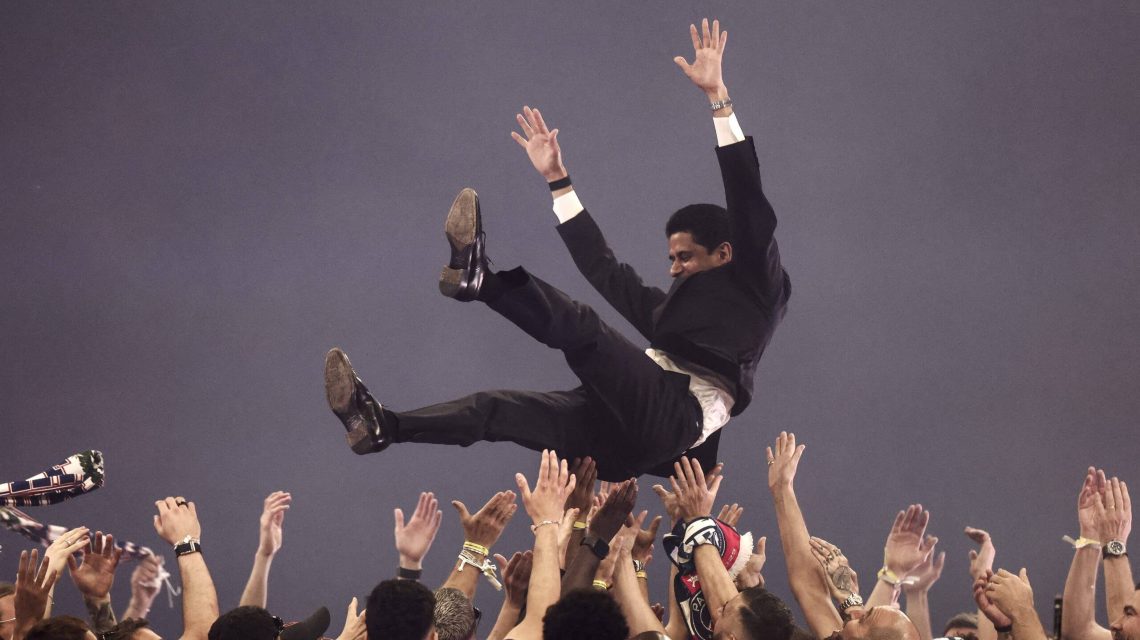
Paris Saint-Germain (PSG) has emerged as a top-tier football team in Europe and arguably the world. Their gameplay showcases exceptional skill. The full-backs of PSG could serve as wingers for many other clubs. Observing their midfield’s warm-up routines can be as engaging as many entire matches elsewhere.
Ousmane Dembélé, once seen as a talented yet injury-prone winger, has developed into a Ballon d’Or-winning striker. Desire Doue showcases a compelling blend of speed and skill, while Bradley Barcola remains relegated to the sidelines despite his capacity to start for most teams in the Champions League. Khvicha Kvaratskhelia combines relentless drive and agility, making him one of the most exciting players today.
This season’s Champions League performances have been a testament to the brand of football they play: fast-paced and attacking, with plenty of goals. Their approach blends structure with vulnerability, ensuring they don’t seem automated or predictable.
The beauty of PSG’s football stands in sharp contrast to the club’s ownership.
They represent a significant contrast with their owners. Since Qatar Sports Investments (QSI) purchased PSG in 2011, their motivations have been debated. Terms like sportswashing and soft power are often used to describe their intentions. Essentially, Qatar acquired a famous but underachieving football club to boost its geopolitical influence.
On the field, this strategy has yielded remarkable results. PSG has clinched 12 out of the last 14 French league titles and are favorites to retain their Champions League title against Arsenal in the 2025-26 season finale. From a business perspective, the investment has been lucrative. After spending approximately €70 million to acquire PSG, a 2023 investment valued the club at about €4.25 billion.
The Brand-Building Journey
The initial years of QSI’s ownership focused on establishing PSG as a brand more than a cohesive football team. Nasser Al-Khelaifi, chairman of QSI, once expressed his primary goal was to develop a brand. This involved signing star players, redesigning the club logo to highlight Paris, and forming partnerships with major brands like Nike and its Jordan line. Even celebrities frequently attended games.
Despite a focus on brand expansion, like opening PSG stores globally, the ultimate goal remained elusive until they won the Champions League. Their transfer strategy evolved from acquiring slightly past their prime stars to assembling a team of potential-filled, young players.
Current Team Dynamics
Al-Khelaifi expressed the desire to fill the team with academy graduates or French players. Progress is ongoing; last year’s Champions League final starting XI included only two French players, neither a homegrown talent. The team has developed into a youthful unit known for its exhilarating style, promising to deliver football worth watching.
Yet, the broader impact on Qatar’s reputation remains mixed. Awareness of issues such as the kafala system and limited rights for women and LGBTQI people has grown, creating a dual narrative regarding the country’s image.
Geopolitical Implications
While PSG’s investments and successes have raised Qatar’s profile, they also spotlight the complex relationship between states owning football clubs. Major clubs with state ties raise ethical questions about the influence on and control over sports. This concern extends beyond PSG; fans of clubs like Newcastle United or Manchester City may also consider such issues.
Regardless, PSG’s on-pitch success as a state-backed club offers points for reflection, especially when admiring their captivating performances.
 Kurt Angle Reflects on His TNA Wrestling Career
  Analyzing NFL Teams After Two Weeks
  Seattle Seahawks Coach Mike Macdonald’s Strategic Approach
  Massachusetts Youth Hockey Player Suspended Indefinitely After Slashing Incident
  Chicago Bears Face Quarterback Changes Amid Injuries
  Kevin Durant Chooses to Focus on WNBA Success Amid Gender Debate