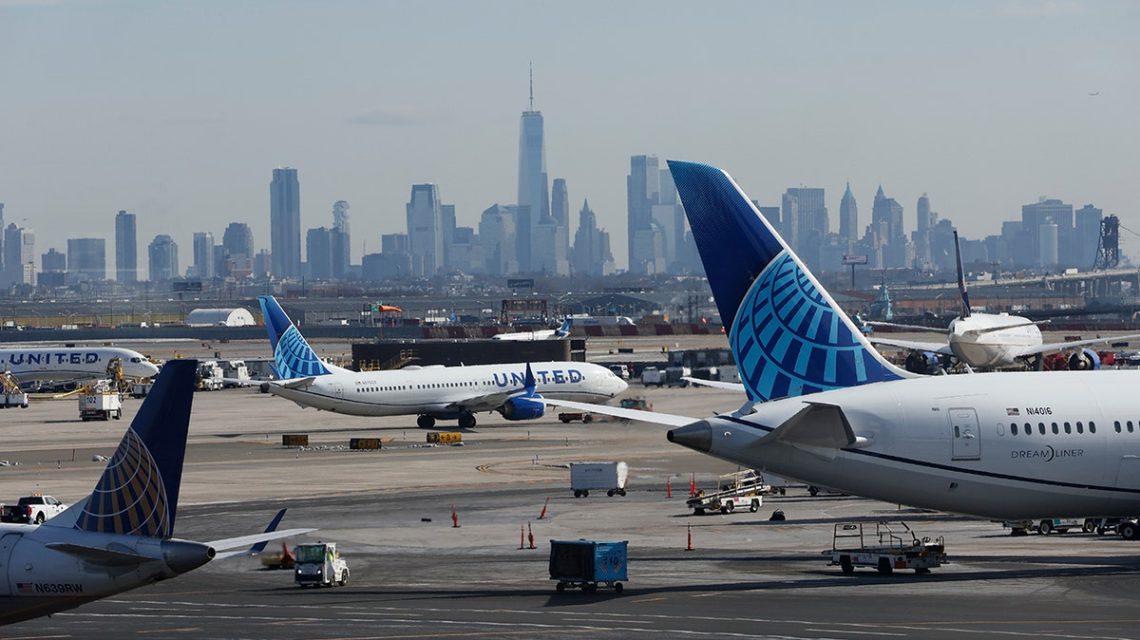
This summer, many Americans will travel by air for vacations, family visits, and adventures. They will experience airport security lines and crowded terminals. Onboard, they will trust in the safety of the aviation system. This trust is justified. The U.S. aviation system is the safest in the world due to layers of protection, such as skilled pilots and rigorous training.
However, the system faces increasing pressure with more traffic and aging infrastructure. Recent safety technology gaps have narrowed error margins. Pilots see the safety system’s complexity daily. They prioritize flight safety and have the authority to delay, cancel, abort, or divert flights as necessary. They diligently assess risks before takeoff and until the aircraft is parked safely.
The system’s strain has become apparent with incidents such as a deadly midair collision near Washington National Airport and a runway collision at LaGuardia. Other concerns include aging air traffic control systems and staffing shortages.
To reduce these risks, investment in technology, infrastructure, and skilled personnel is crucial. Modernizing air traffic control systems and ensuring adequate staffing are essential steps. Congress made a down payment on modernization, but more funding is needed to manage crowded airspace.
Pilots need advanced technology on the flight deck. The ALERT Act is a step forward but insufficient to close gaps. A standard is needed for all aircraft in busy airspace to use real-time tracking and alerting technology. Currently, commercial aircraft near major airports must use ADS-B Out, which provides location and speed data. However, ADS-B In, which shows nearby aircraft on cockpit screens, is not mandatory.
The ROTOR Act requires a comprehensive ADS-B In suite. This technology gives pilots a clear view of nearby aircraft, providing early alerts of collision risks. It enables them to take evasive action if needed. This legislation reduces exemptions for military and government aircraft and sets deadlines for compliance.
Congress should address these safety gaps with proven technology available today. Sustained investment in safety infrastructure and personnel is essential to prevent disasters. While flying is still safe, recent incidents and technology gaps indicate the system is strained.
As summer travel increases, Congress has an opportunity to strengthen aviation safety layers. Lawmakers should listen to pilots who witness the building pressure in the system. By integrating the best elements of ROTOR and ALERT, they can enhance safety measures.
Capt. Jason Ambrosi is the 12th president of the Air Line Pilots Association, International, which represents over 80,000 airline pilots in the United States and Canada.
 Reviving the Past: Enthusiasts Preserve Vintage Computers
  Atomic City Embraces Nuclear Legacy Amidst National Debate
 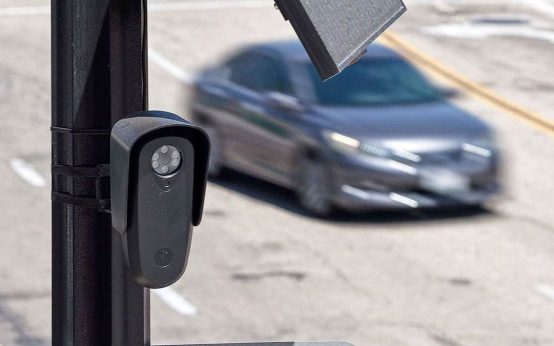 Mayor Calls for Halt on Flock Surveillance Over Privacy Concerns
 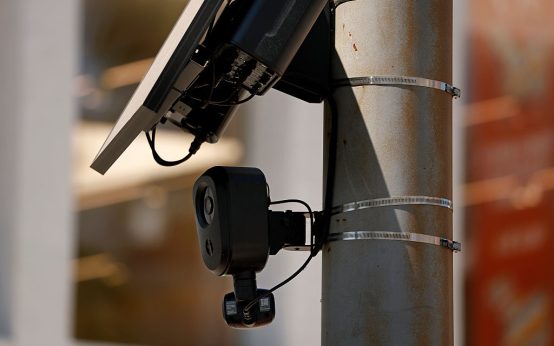 The Growing Debate Around Flock Safety Cameras
  Smithsonian’s Federal Funding and DEI Scrutiny
  Drone Delivery Faces Challenges: Conor McGregor’s Experience