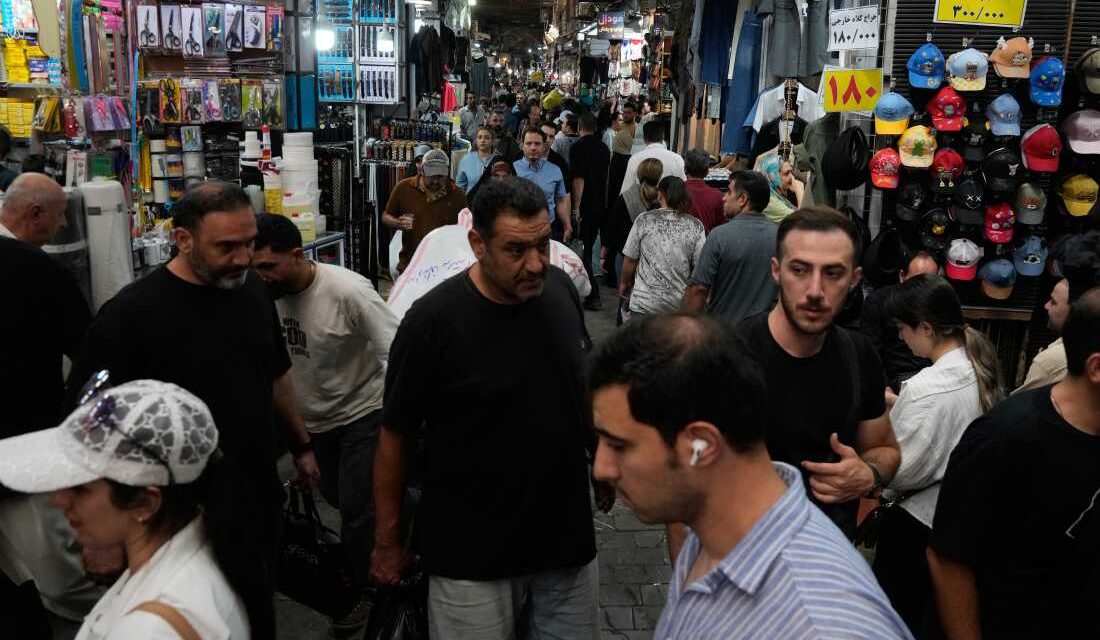
Tehran’s Scenes and Cross-Border Tensions
On Saturday, August 8, 2026, people thronged Tehran’s bustling traditional main bazaar. Meanwhile, the region faces a surge in cross-border tensions.
Yemen’s Houthi rebels claimed responsibility for an attack on an oil facility located in southwestern Saudi Arabia on Sunday. This incident follows a series of attacks by the Iran-backed group targeting the kingdom.
Latest Attack and Its Implications
The Houthis’ military spokesperson, Yahya Saree, announced a drone assault on an Aramco refinery in Jazan. He described the action as retaliation for Saudi drones infiltrating Yemeni airspace over Hajjah and Saada provinces.
Early reports from the Saudi Energy Ministry confirmed a fire at an Aramco facility but noted there were no casualties. The fire was swiftly contained without elucidating its cause.
Attacks such as these have grown more frequent, with recent targets including Saudi Arabia’s shipping lanes in the Red Sea. Yemeni officials disclosed further Houthi strikes on Mocha port, managed by Yemen’s recognized government, signaling a potential rekindling of civil conflict.
Iran’s Conditions for Negotiations with the U.S.
Iran has set forth conditions for resuming negotiations with the United States. The Iranian Foreign Minister Abbas Araghchi emphasized that negotiations remain stalled until the U.S. rectifies violations of the existing memorandum of understanding.
Araghchi indicated ongoing talks with Oman concerning new maritime routes through the Strait of Hormuz. However, he clarified that reopening the strait hinges on additional conditions communicated to the U.S. through intermediaries.
The Strait of Hormuz: Stipulations and the Broader Picture
Iran’s Supreme National Security Council insists the Strait of Hormuz will stay closed unless the U.S. amends its regional demeanor. Among the Council’s new demands, Iran expects the U.S. to cease hostile threats, lift military blockades, and absorb compensation for wartime damages and sanction relief.
Iran’s stance could profoundly impact efforts to negotiate a management deal for this crucial waterway. America’s interim agreements hint at ending sanctions and compensation discussions, encompassing the release of Iran’s frozen assets.
Recently, the U.S. Central Command reported actions associated with the blockade, including rerouting 53 commercial ships and boarding two others.
Pentagon’s Efforts to Enhance Weapons Production
The Pentagon is focused on ramping up weapons manufacturing capabilities, aiming to meet military needs swiftly. This urgency arises from depleted missile interceptor stockpiles during the ongoing confrontation with Iran. The modernization initiative predates the current five-month conflict.
Negotiations on the Strait of Hormuz
Oman and Iran are close to finalizing a temporary arrangement concerning the Strait of Hormuz. This deal seeks to permit unrestricted vessel movement without fees along routes proximal to both countries.
The dialogue on the strait’s reopening extends over Iran’s nuclear program. It garnered endorsements from Gulf Cooperation Council members, and an announcement involving the U.S., Oman, and Iran is anticipated pending deal finalization. The International Maritime Organization also plays a role in this evolving strategy.
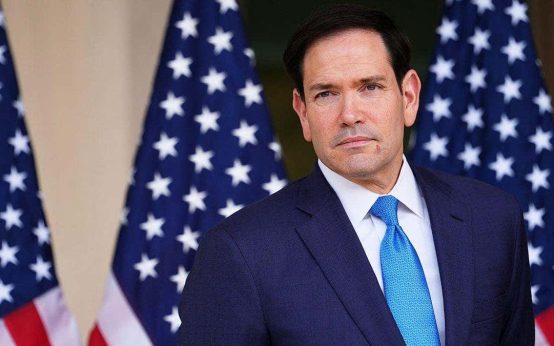 Secretary of State Rubio Comments on Recent UK Terror Threat
  New Developments in Ayotzinapa Case: 17 New Suspects Identified
  Concerns Arise Over Rodrigues-Birkett in Race for UN Secretary-General
 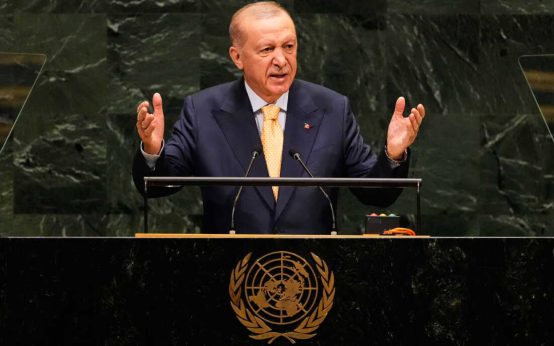 Turkey’s Strategic Moves in a Changing Middle East
 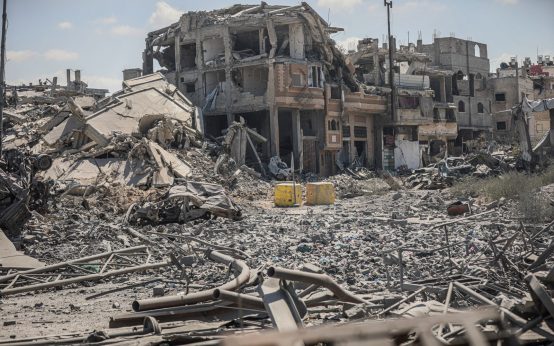 Google Earth Images Reveal Destruction in Gaza
 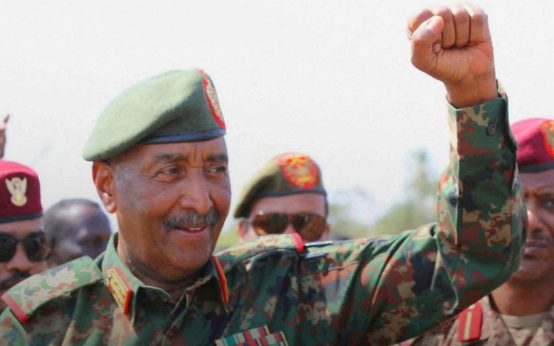 Sudan Defies U.S. Ceasefire Amid Visa Dispute