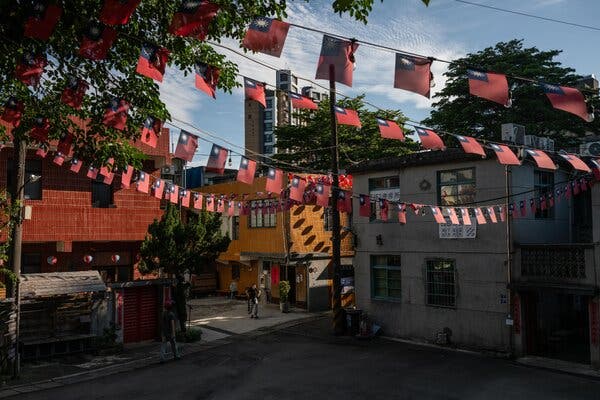
Hsu Chun-ying, a woman originally from China, is at the center of a heated discussion in Taiwan. Known for her political ambitions, she became prominent among the thousands of Chinese women married to Taiwanese men. Hsu’s activities have now led her to face charges, accused of infiltrating Taiwanese politics under the guidance of the Chinese Communist Party.
Hsu is alleged to have interfered with legislative and mayoral elections. Prosecutors claim she facilitated a Chinese official’s secret entry into Taiwan disguised as a business visitor. Her case highlights Taiwan’s challenge in protecting its democracy from alleged Chinese influence, while also being cautious not to unfairly target Chinese migrants.
The issue is significant given the presence of over 261,000 Chinese migrants in Taiwan, predominantly women. Officials worry that China could exploit these migrants’ connections to their homeland. Such concerns include threats to their families or offers of financial incentives to gain their allegiance.
Shen Yu-chung, Deputy Minister of Taiwan’s Mainland Affairs Council, emphasized the difficulty in discerning potential threats. He stressed the importance of not generalizing about all mainland spouses. Yet, according to Shen, some individuals may arrive in Taiwan with specific goals that pose risks.
This increased scrutiny has affected the mainland spouse community in Taiwan. Many express feeling unjustly labeled as potential agents for Beijing. The ongoing case of Hsu Chun-ying has brought Taiwan’s internal security measures and its relationship with Chinese migrants into sharp focus.
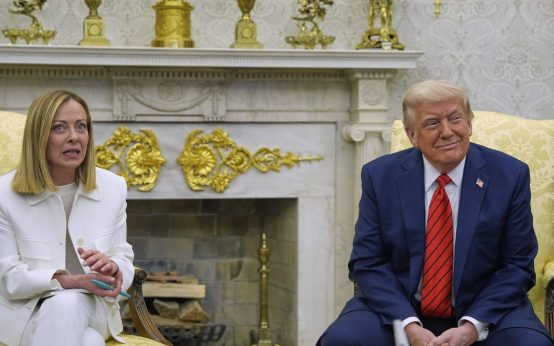 Italian PM Giorgia Meloni Skips UN General Assembly Amid Growing Tensions
  Calls Grow for Ireland’s Soccer Team to Boycott Matches Against Israel
  New U.S. Military Bases Planned in Greenland Amid Strategic Security Deal
 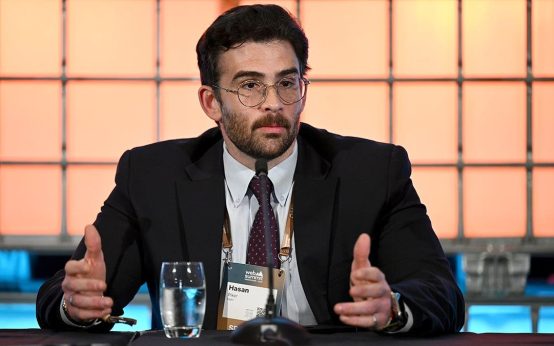 Twitch Streamer Hasan Piker Discusses Controversial Commentary
  A Shifting Political Landscape: The Decline of Autocratic Power
  Trump Delivers Warning to Iran, Cuba at UN General Assembly