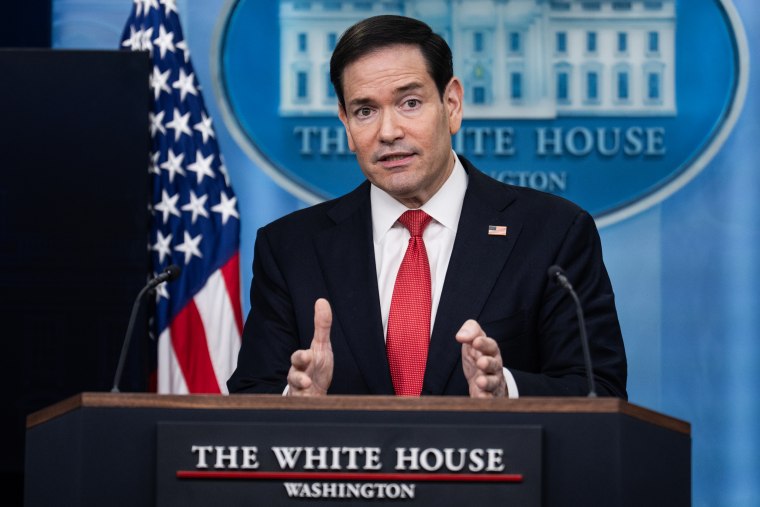
The U.S. Department of State recently underwent significant changes. The department swiftly mobilized an Ebola response within 24 hours of discovering the outbreak. Protecting the health and security of Americans remains a top priority, preventing the spread of the disease to the U.S.
The State Department has redefined its rules on evaluations and promotions. A new bell curve limits the number of diplomats receiving top rankings, potentially hindering promotions and affecting careers. While reform was needed, current and former officials argue the changes introduce new challenges.
Deputy Secretary of State Christopher Landau supports these reforms, emphasizing accountability. He believes that evaluations should reflect actual performance, not inflated ratings that avoid tough discussions. Foreign service officers now face new criteria focused on loyalty, possibly placing alliances at risk.
Former diplomat Mark Lambert voices concern that prioritizing loyalty can lead to bad advice, jeopardizing alliances. Loyalty should be to the Constitution, ensuring diplomats serve presidents and secretaries of state regardless of political affiliation.
State Department spokesman Pigott highlights Secretary of State Marco Rubio’s value of candid insights from committed Americans serving their country. The administration reorganized the State Department, giving regional bureaus and embassies more influence in policy-making.
High-level diplomatic negotiations in the Trump administration often exclude senior career foreign service officers. Diplomatic discussions on Ukraine and Iran are led by individuals like Jared Kushner and Steve Witkoff, praised by Trump despite lacking diplomatic experience.
Three former senior career diplomats express belief that experts are sidelined to avoid questioning decisions. Former Ambassador John Bass notes an organized effort to devalue experienced leaders who take initiative and solve problems.
Pigott refutes claims that decisions lack input from professionals. He asserts career and political officials collaboratively address operations, alongside embassies and interagency partners.
Last summer’s reorganization led to the forced removal of nearly 250 foreign service officers from their positions. These cuts affected officers assigned to Washington at that time, leading to court battles and eventual formal layoffs.
Diplomats challenge the focus on performance-based termination letters, citing replacements of trained diplomats with expensive new recruits. Entrance exam changes remove questions seen as supporting diversity, equity, and inclusion (DEI), raising concerns about recruitment focus.
Pigott defends reversed DEI policies, aiming to implement Trump’s America First foreign policy. This approach seeks to strengthen national safety, prosperity, and security.
The story of Horst, a Foreign Service officer whose ambassador nomination was stalled, underscores the impact of these changes. Facing career uncertainty, she joined an initiative to promote foreign investment in American cities, embodying the America First approach. The program’s cancellation left Horst pursuing sustainable agriculture work.
Current and former diplomats foresee long-term repercussions from these departures, affecting America’s reputation and vital interests. Concerns extend to travel safety, passport availability, exports, and supply chain stability.
Kelly Adams-Smith, a teacher at American University, emphasizes the need for a pipeline of well-trained, educated, non-partisan professionals in the foreign service. Encouraging young people to pursue public service careers is crucial for maintaining diplomatic strength.
 Hawaii’s Josh Green Secures Democratic Nomination for Governor
  U.S. Commits $1 Billion in Security Aid to Colombia Under New Leadership
 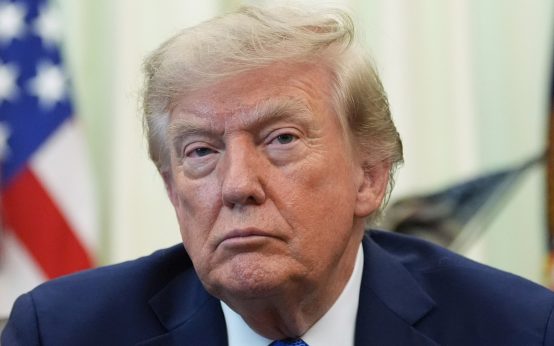 Members of Trump’s Family Could Be Deposed in $10 Billion Lawsuit Against BBC
 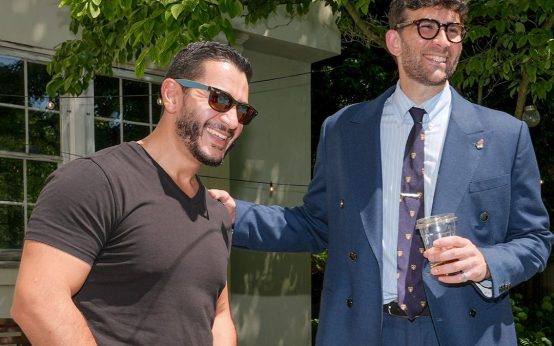 Carville Responds to Progressive Criticisms Amid Democratic Party Tensions
  Republican Candidates Present Their Platforms in South Carolina Senate Race
 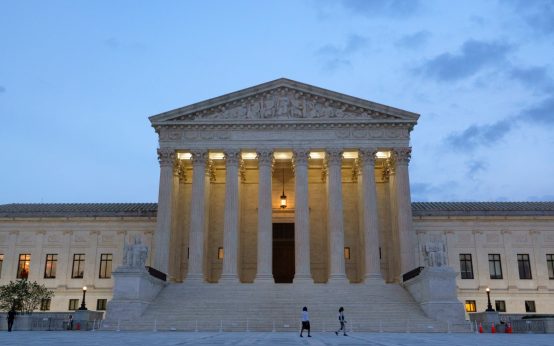 Conservative Movement’s Focus on Shaping Future Court Views on Birthright Citizenship