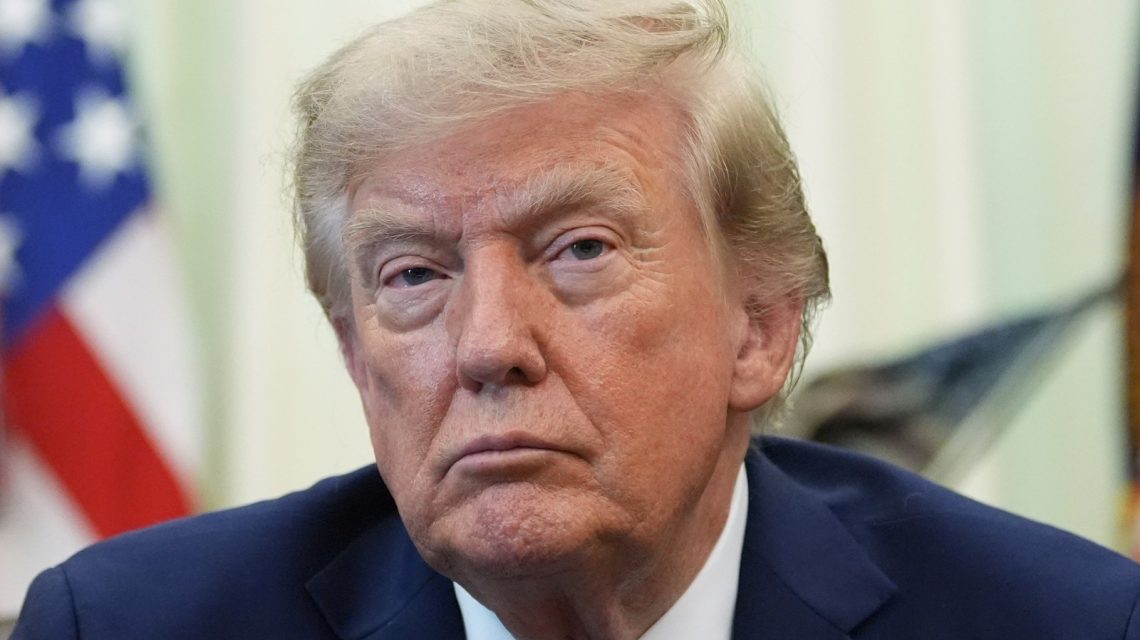
Members of President Donald Trump’s family face potential deposition and the need to turn over communications related to his $10 billion lawsuit against the BBC. According to experts such as Deanna Shullman, a Florida media and First Amendment lawyer, and Howard Wasserman, a law professor, family members with relevant information may be considered viable witnesses.
Shullman explained that those with pertinent information about Trump’s alleged damages or the truth of the disputed portrayal could be required to provide documents and testify. She noted the possible inclusions of correspondence with Trump and documents related to the accuracy of the statements in question.
“They could be deposed, but they could also be asked to produce documents like their correspondence with the president,” Shullman stated. “They may be asked to produce communications with the president, and they may be deposed.”
This situation arises as U.S. District Judge Roy Altman temporarily stayed an order demanding Trump to disclose information regarding the financial performance of his family trust-held businesses. Altman’s decision followed Trump’s request to narrow his case from business and reputational damage to focusing on reputational harm.
Trump’s lawsuit against the BBC, filed over the editing of his January 6, 2021, speech in a 2024 documentary, demands $5 billion for defamation and another $5 billion under Florida’s law against unfair trade practices. Although the BBC apologized for the editing, they deny defaming Trump.
Why Trump’s Finances Are Key
The debate over Trump’s financial records stems from his allegations of economic harm caused by the BBC documentary. It allegedly damaged his business and personal brand value, as well as his future financial prospects. In response, the BBC demanded financial evidence to assess the claimed damages.
Magistrate Judge Enjoliqué Lett ruled that by claiming economic injury, Trump opened up his financial condition to scrutiny. Lett ordered the production of a limited set of financial records, with potential adjustments based on amendments to Trump’s lawsuit.
Trump then moved to alter his complaint, aiming to exclude allegations of business damage, intended to make his financial records irrelevant. Following this, Judge Altman provided a temporary pause to reconsider whether Trump’s amended complaint would eliminate the need for the financial information.
Potential Challenges for Trump’s Legal Strategy
Whether Trump successfully keeps his financial and family documentation out of the case depends on the court’s acceptance of the proposed amendment to his complaint. Shullman suggested that if economic damages claims were entirely removed, Trump might avoid the financial disclosure problem.
“If the amendment disclaims all economic damages and focuses on mental or emotional distress damages, the president may be successful in avoiding that discovery,” Shullman explained.
Yet, Shullman warned that a problematic area could be if Trump tries to link personal reputation to asset values, risking financial evidence relevance in the case. Wasserman echoed this sentiment, noting that everything hinges on the complaint’s final form and damage basis.
The Backdrop of the Trump-BBC Lawsuit
Trump initiated the lawsuit after the broadcast of a BBC Panorama documentary episode ahead of the 2024 presidential election. The program spliced parts of his January 6, 2021, speech, implying he directly incited the Capitol attack.
Trump argues that the editing harmed his reputation, brand, and businesses, seeking substantial damages for defamation and unfair trade practices. The BBC, while apologizing for the edit, contends it did not defame Trump and aims for case dismissal.
 Congressman Randy Fine’s Bold Political Stance and Views on AI Regulation
  Political Messaging and Strategy Leading Up to Midterms
  President Trump Proposes ‘Super Intelligence’ as New AI Term
  Trump Administration Considers Diesel Export Ban Amid Rising Prices
 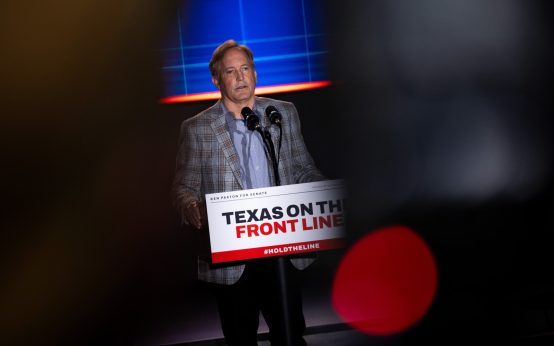 Texas Senate Race Tightens with Shifting Youth Support
  Flight 93 Hero’s Father Criticizes Ties Between Hasan Piker and Abdul El-Sayed