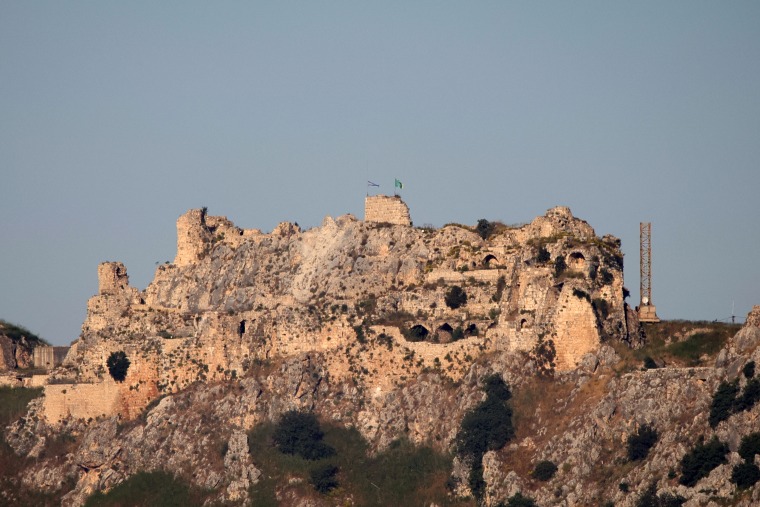
Israeli forces have crossed the Litani River and secured a crucial location in Lebanon. Defense Minister Israel Katz announced on Sunday that this marks Israel’s furthest advancement into the country in 26 years. The capture of Beaufort Ridge, home to a medieval castle, follows days of intense combat in southern Lebanon. Prime Minister Benjamin Netanyahu has announced an enhancement of operations despite an established ceasefire agreement from April.
This new development emerges amidst efforts to broker peace between Israel and Lebanon, with officials from both sides attending a meeting in Washington to discuss the ceasefire’s implementation. Still, both Israel and Hezbollah accuse each other of violating the truce.
“The Israeli flag is once again flying over the peaks overlooking the communities of the Galilee,” Katz stated during his speech, emphasizing that soldiers who have captured Beaufort will remain there as part of a security zone in Lebanon.
Israeli forces returning to the Beaufort Castle, also known locally as Qalaat al-Shaqif, echoes history. The site was held by Israel from 1982 until its withdrawal in 2000. Recently, UNESCO expressed concerns regarding Israeli attacks near Beaufort Castle due to its provisional protected status.
The crossing of the Litani River and the capture of Beaufort Ridge represent a significant escalation in the conflict. Israeli military operations in the region now control large areas south of the river. Reports have surfaced of Israeli forces targeting and demolishing bridges over the Litani, which are allegedly used by Hezbollah to transport weapons and fighters.
Concerns about a long-term occupation arise as calls continue for Israel to maintain control of the region. Israel’s Finance Minister Bezalel Smotrich has voiced support for a sustained occupation, claiming it corrects past national wrongs.
Discussions suggest that Israel’s continuous military presence in Lebanon could lead to a prolonged conflict. Fawaz Gerges, a professor at the London School of Economics, stated such an occupation might result in a sustained conflict without guaranteeing Israel’s safety.
Netanyahu’s recent visit to the northern border highlighted the military’s advancements, asserting successful operations against Hezbollah across multiple fronts, including Beirut and the Bekaa Valley. Despite this, calls for more aggressive actions, like those from National Security Minister Itamar Ben Gvir, persist.
The conflict in Lebanon is an extension of the Iran war, with significant civilian displacement and casualties. Lebanese Prime Minister Nawaf Salam condemned Israeli actions, describing them as collective punishment and illegal by international standards.
“Nothing can justify” Israel’s assaults, Salam declared after the latest wave of attacks that heavily struck Tyre, Lebanon’s fourth-largest city.
Negotiations between the U.S. and Iran continue, aiming to extend a ceasefire amidst the broader conflict. However, Israel’s aggressive campaign in Lebanon risks jeopardizing these diplomatic efforts. Defense Secretary Pete Hegseth noted Trump’s intention to reach a deal preventing Iran from acquiring nuclear capabilities, but experts like Gerges warn of potential setbacks if diplomatic interventions do not occur.
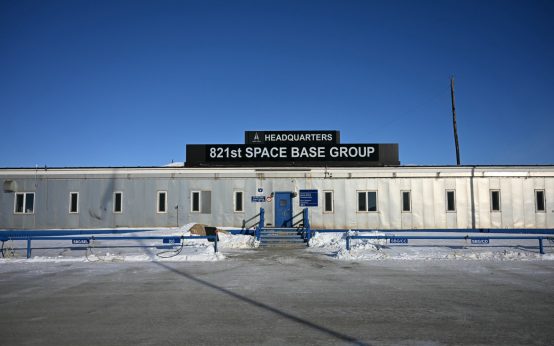 New U.S. Military Bases Planned in Greenland Amid Strategic Security Deal
 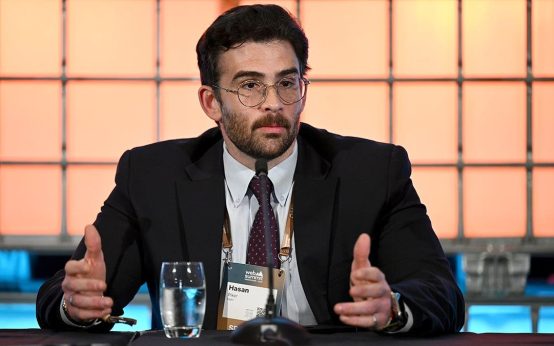 Twitch Streamer Hasan Piker Discusses Controversial Commentary
  A Shifting Political Landscape: The Decline of Autocratic Power
  Trump Delivers Warning to Iran, Cuba at UN General Assembly
  Lukashenko and Putin’s Unique Relationship and Belarus’ Strategic Role
  Alan Ritchson Faces Backlash Over Political Remarks