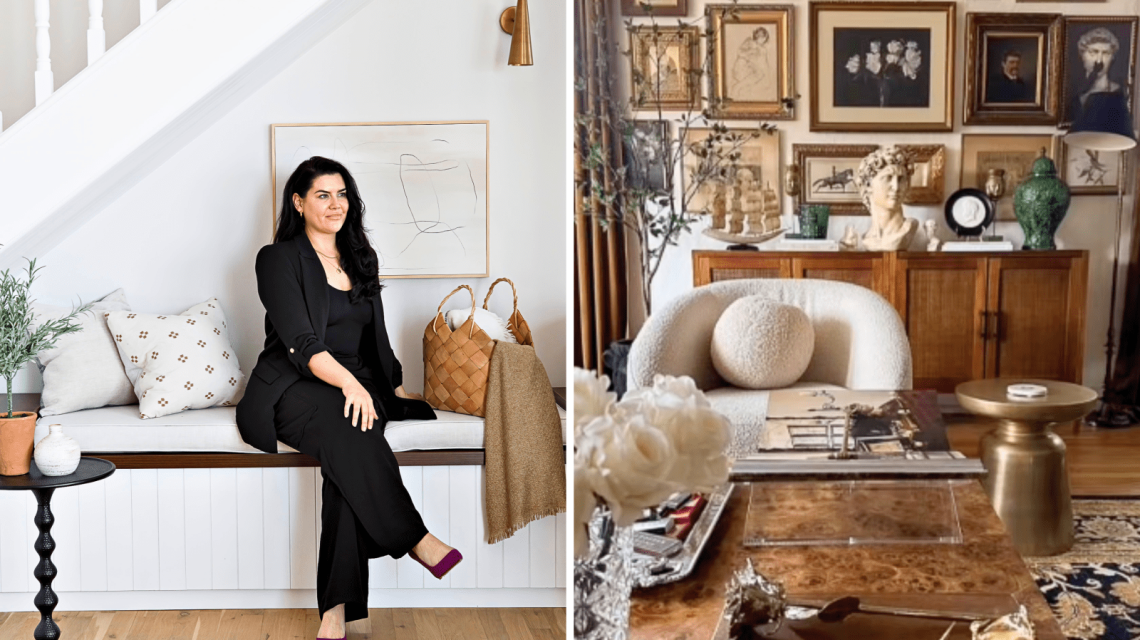
The ‘granny chic’ aesthetic made waves on platforms like Pinterest and Instagram with its warm woods, gold accents, and vintage charm. Yet, designers now indicate that its mainstream appeal might have ended. Trend lifecycles are shortening, making their decline easier to anticipate. Typically, a look starts on mood boards, moves to magazines, and loses exclusivity on platforms like Amazon. In a matter of months, a once carefully curated aesthetic can turn into a commercial imitation, as seen with granny chic.
Understanding the Granny Chic Aesthetic
Characterized by warm, light-filled rooms layered with antiques, dark wood, brass accents, and botanical prints, granny chic offers the allure of a home that’s been lived in for generations. This style has dominated aspirational interiors for nearly six years, rooted in what became known online as the ‘light academia’ aesthetic. It provided a welcoming contrast to prior trends of cold gray minimalism and mirrored plush velvet.
The Decline of Granny Chic
According to designers in various regions, its widespread popularity marks a critical shift. “This style rose because people craved warmth, nostalgia, and character after years of minimal, polished interiors,” says Aoife Maria Tobin, creative director of Style So Simple in Ireland. Tobin emphasizes that heritage style, incorporating darker woods, brown tones, and vintage items, creates a lived-in feeling. However, she notes the style’s dilution as a result of easily accessible ‘antique style’ or ‘vintage style’ items.
“For an authentic, collected look, opt for actual vintage or antique pieces, not manufactured replicas,” Tobin advises.
A look’s transformation into a commercial ‘kit’ turns it into a costume, losing its authenticity. Tobin compares this trajectory to the modern farmhouse aesthetic, popular in the 2010s, which was deemed timeless until over-replication led to its rapid dating.
The Influence of Social Media
Interior designer Samantha-Jane Agbontaen, founder of House Designer, echoes this sentiment. She attributes granny chic’s rapid popularity to a reaction against cold minimalism. Yet, once a trend becomes formulaic, it loses its distinctive character. The light academia aesthetic, propelled by Gen Z through social media, further accelerated its lifecycle. Styles closely linked to online culture often date faster than those grounded in architecture or craftsmanship.
A Rapidly Evolving Market
The global furniture market’s growth illustrates compressed trend cycles, with the market expected to grow from $597.71 billion in 2025 to $996.38 billion by 2034. This growth contributes to more product choices and quicker aesthetic turnovers.
Data from Sharps, a fitted furniture brand, highlights the granny chic look’s swift rise. Searches for earthy tones reached 18,000 per month over the last year, with chocolate brown interiors up 120% year-on-year, and khaki interiors up 100%.
Agbontaen observes, “People still seek warmth, texture, and personality in their homes, opting for vintage and antique pieces in more restrained, timeless ways.”
Tobin maintains a personal preference for the style, saying, “I still love this style even after most of the internet deems it out of Vogue, much like I appreciate gray interiors and modern farmhouse when executed properly.” For designers, the issue lies not in the essence of granny chic, but in the overwhelming reproduction.
 Former Stripper Finds Peace Through Faith and Aims to Help Others
  Dining with Loved Ones: A Boost for Blood Sugar Regulation
  Understanding the Appeal of Being a Disney Adult
  Coping with Dietary Restrictions at Social Events
  Golden Spurtle World Porridge Making Championships
  How Dogs Adapt Communication with Hearing-Impaired Owners